Coega Special Economic Zone: A Blueprint for Vietnam’s Coastal Economic Models
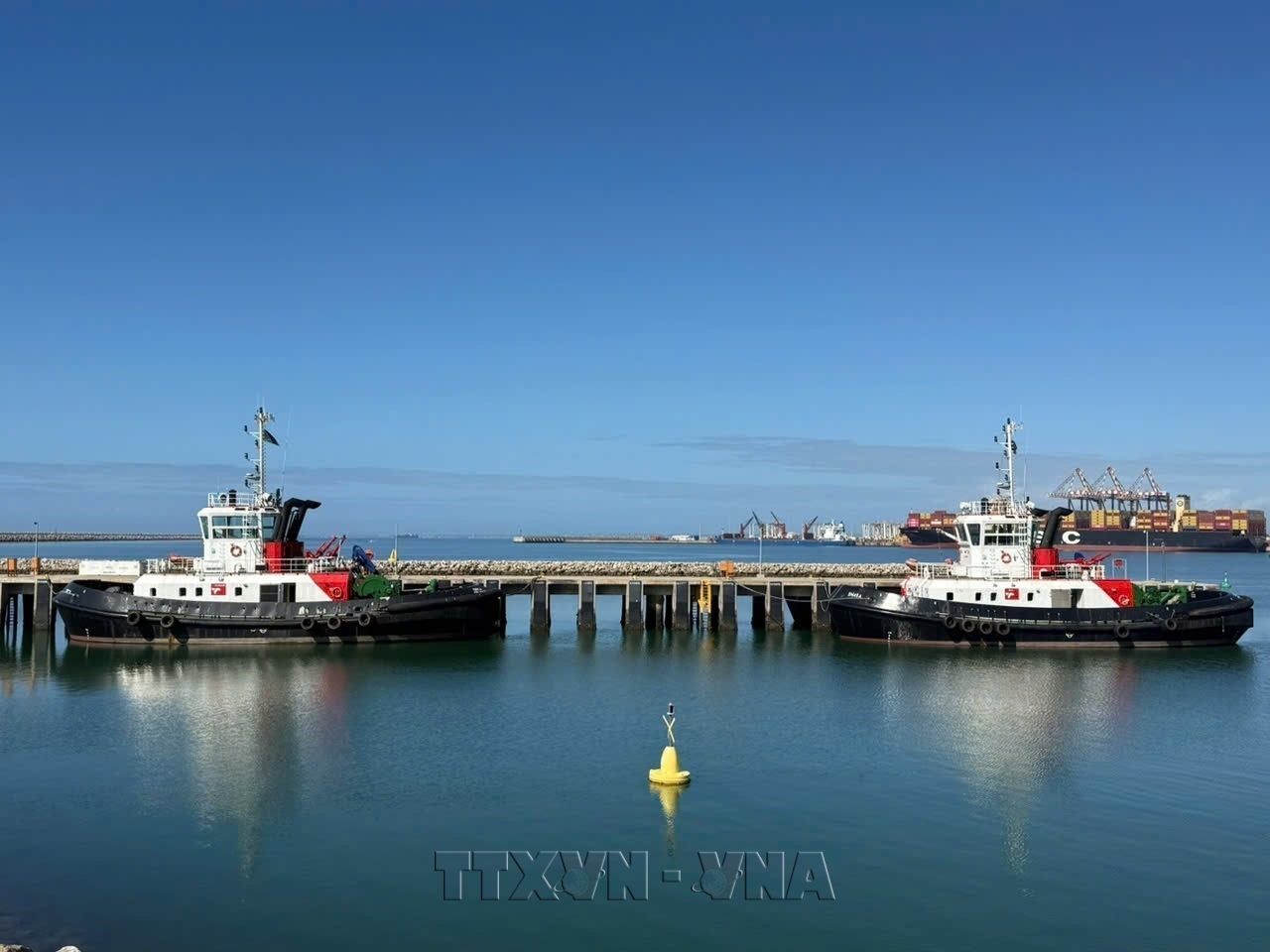
As Vietnam revamps its foreign direct investment (FDI) strategy, the country is actively shifting from traditional industrial parks to coastal economic zones and eco-industrial hubs. By seamlessly integrating these zones with deep-water seaports, Vietnam aims to optimize logistics costs, meet sustainable development standards, and embed itself deeper into global supply chains. In this context, South Africa’s Coega Special Economic Zone (SEZ) - one of Africa's largest industrial mega-projects - offers a profound and comprehensive reference model.
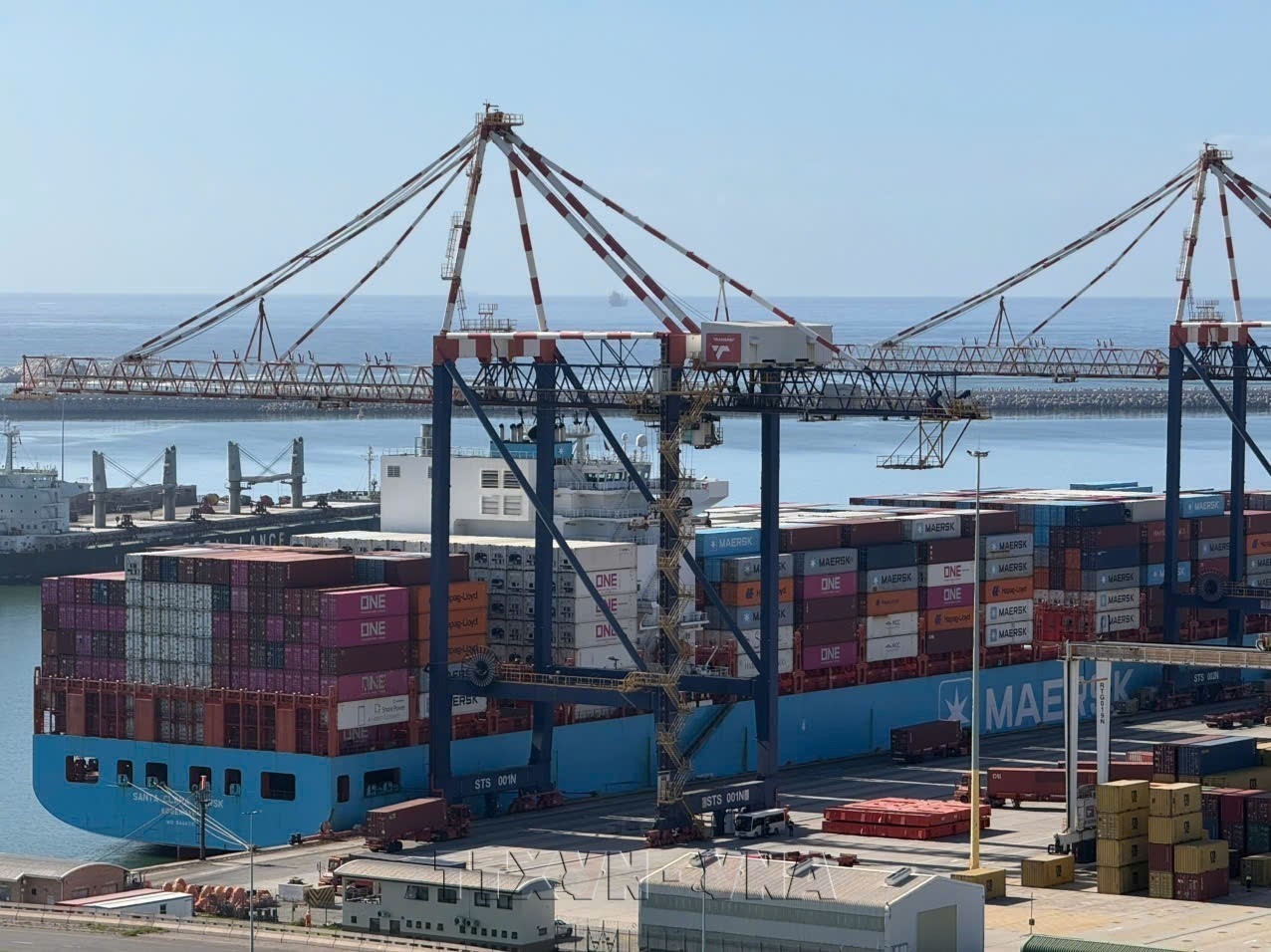
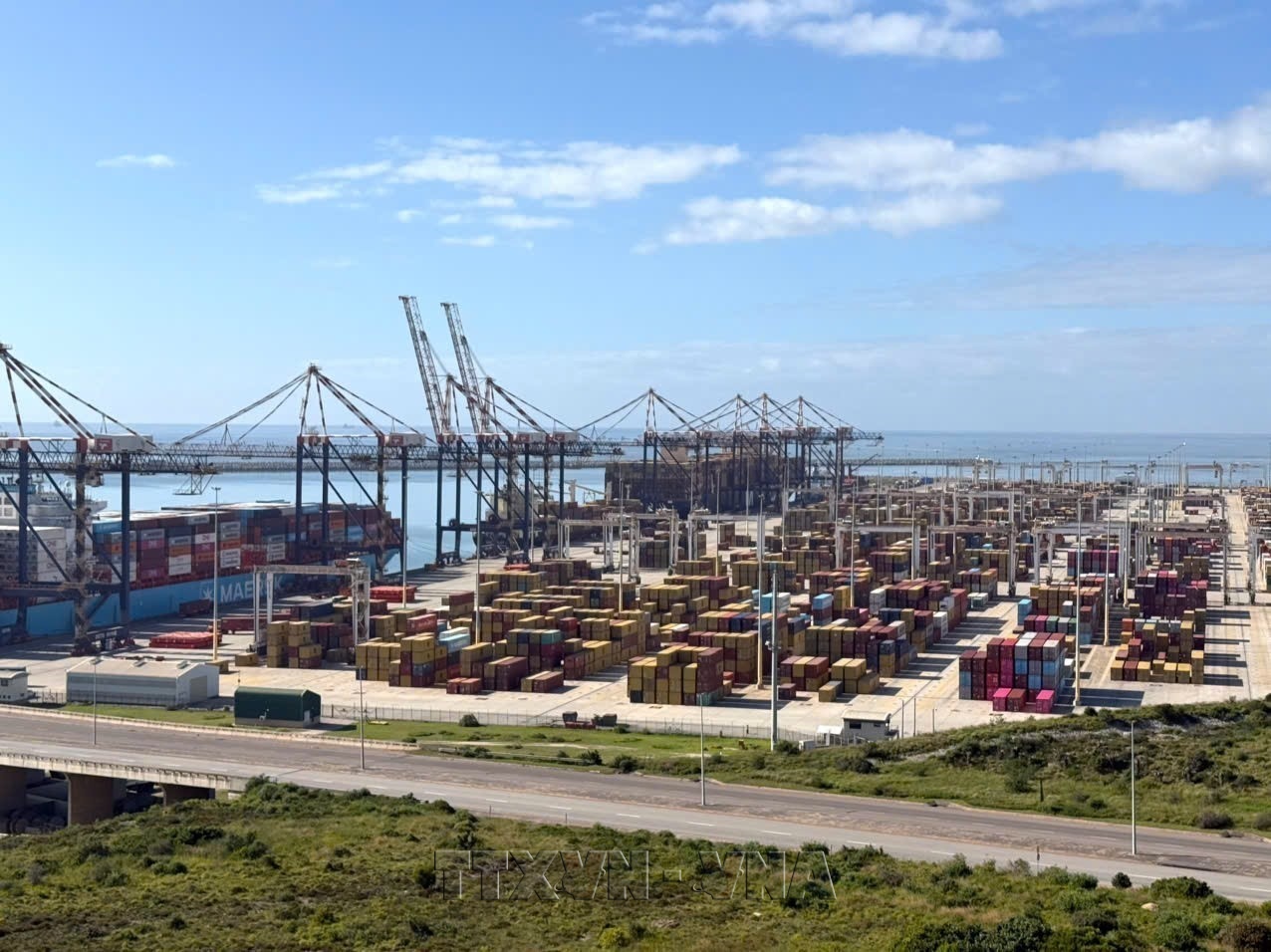
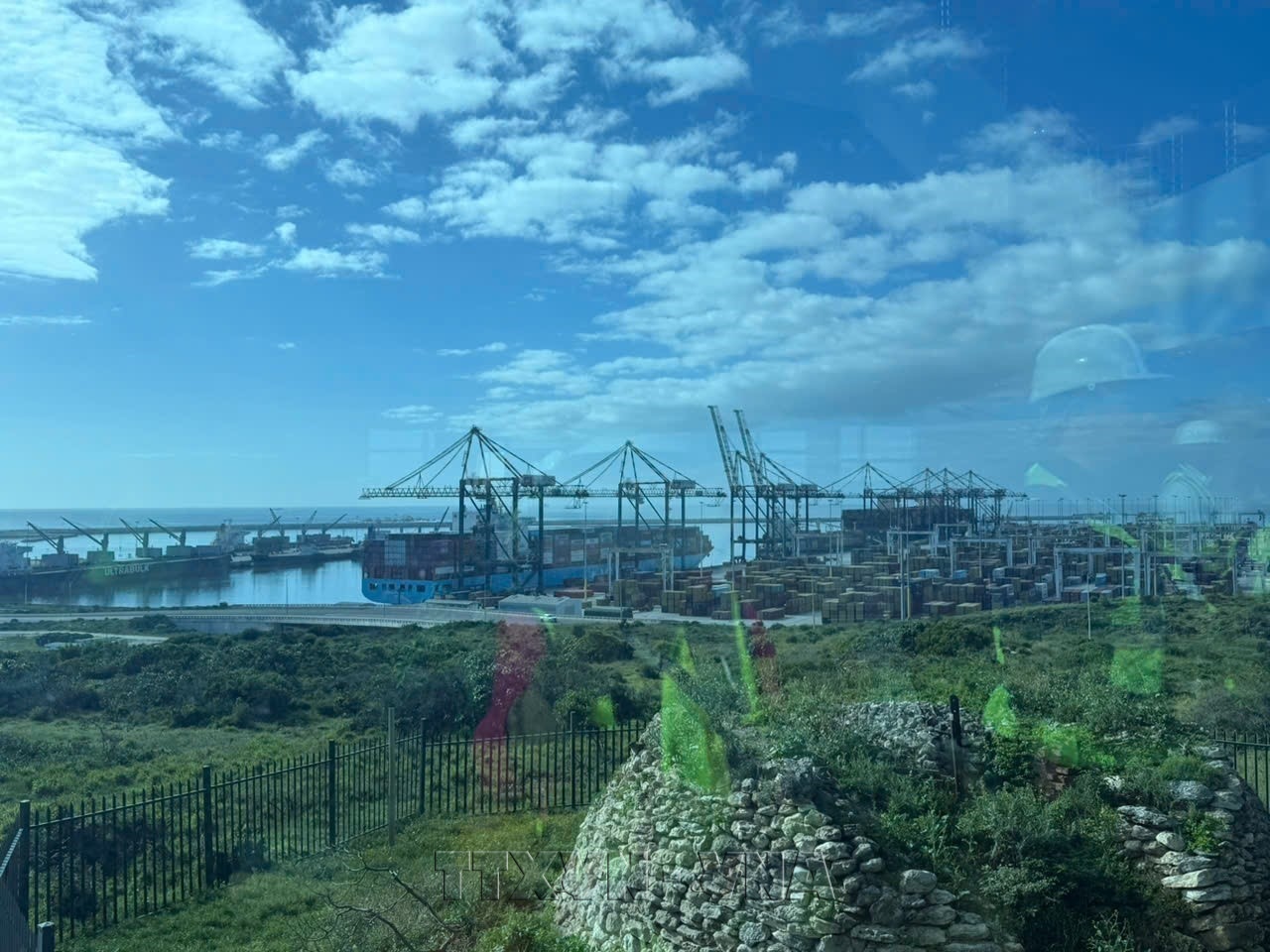
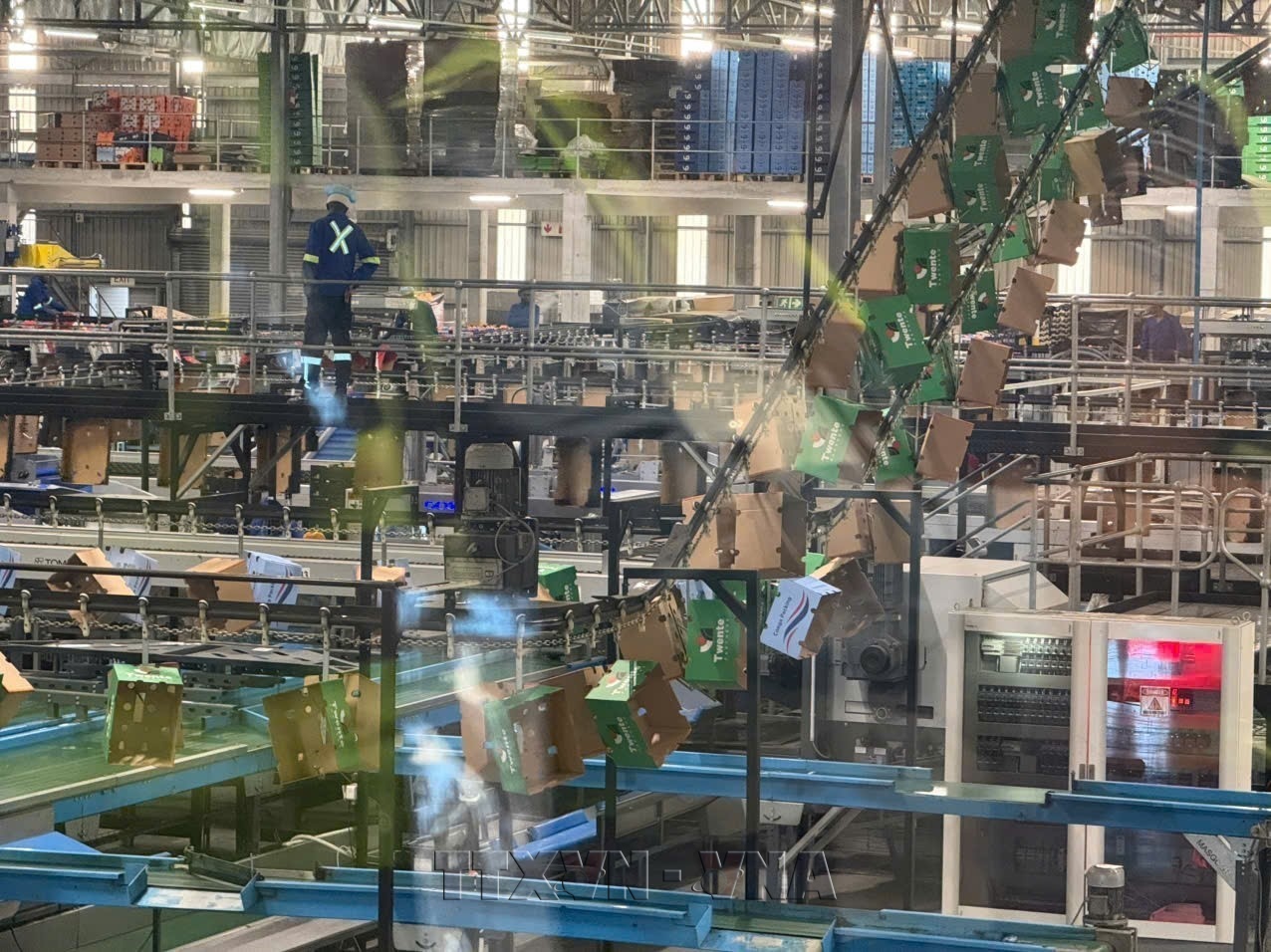
Located along the Indian Ocean coastline in the Eastern Cape province, the Coega SEZ stands as a testament to South Africa's industrial prowess and global integration. Operational since 1999 and spanning a massive 9,000 hectares, it is not only the nation's largest special economic zone but also a harmonious model of modern logistics, multi-sector manufacturing, and social responsibility, as reported by Vietnam News Agency (VNA) correspondents in South Africa.
The Port-SEZ Synergy
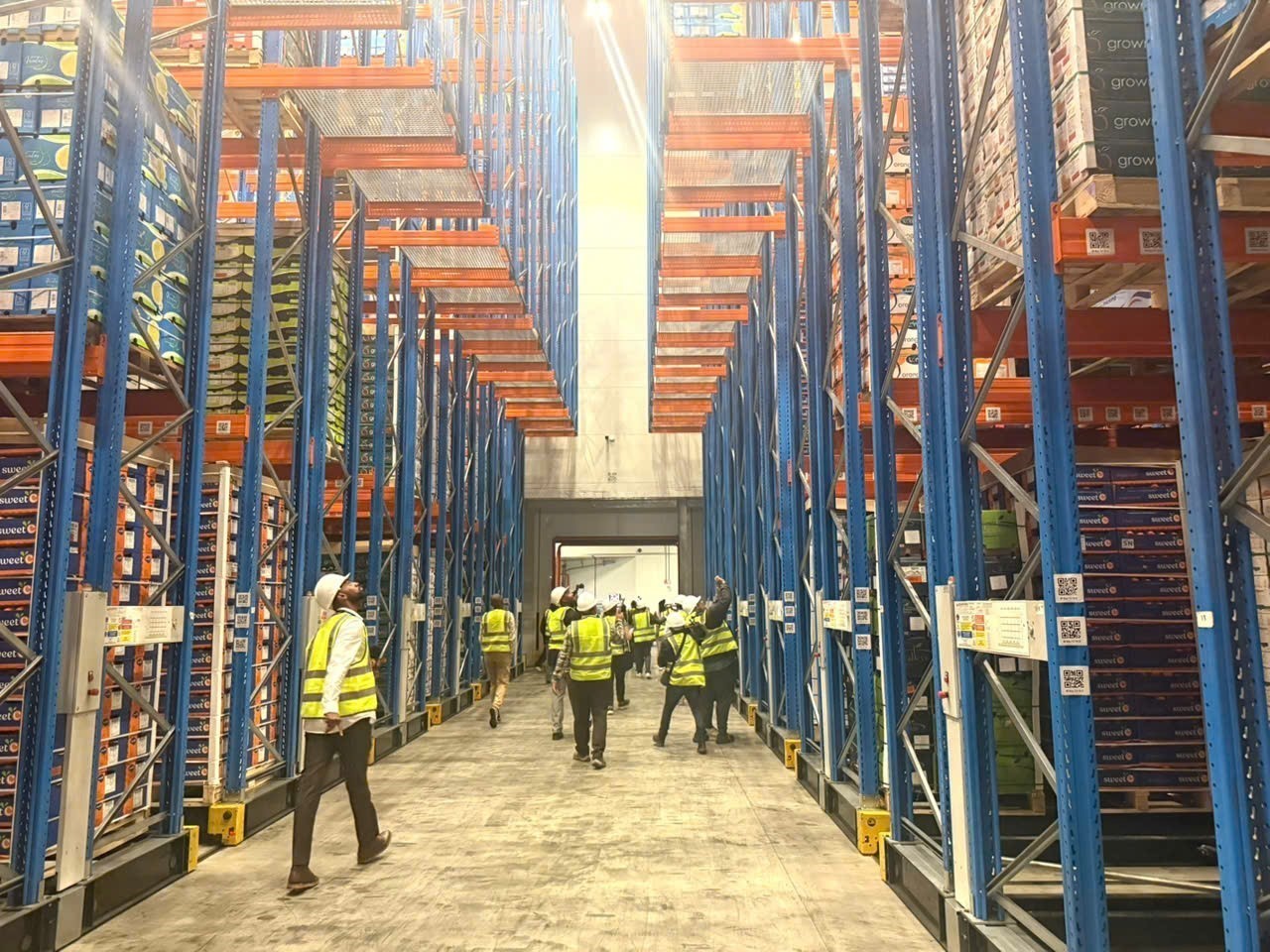
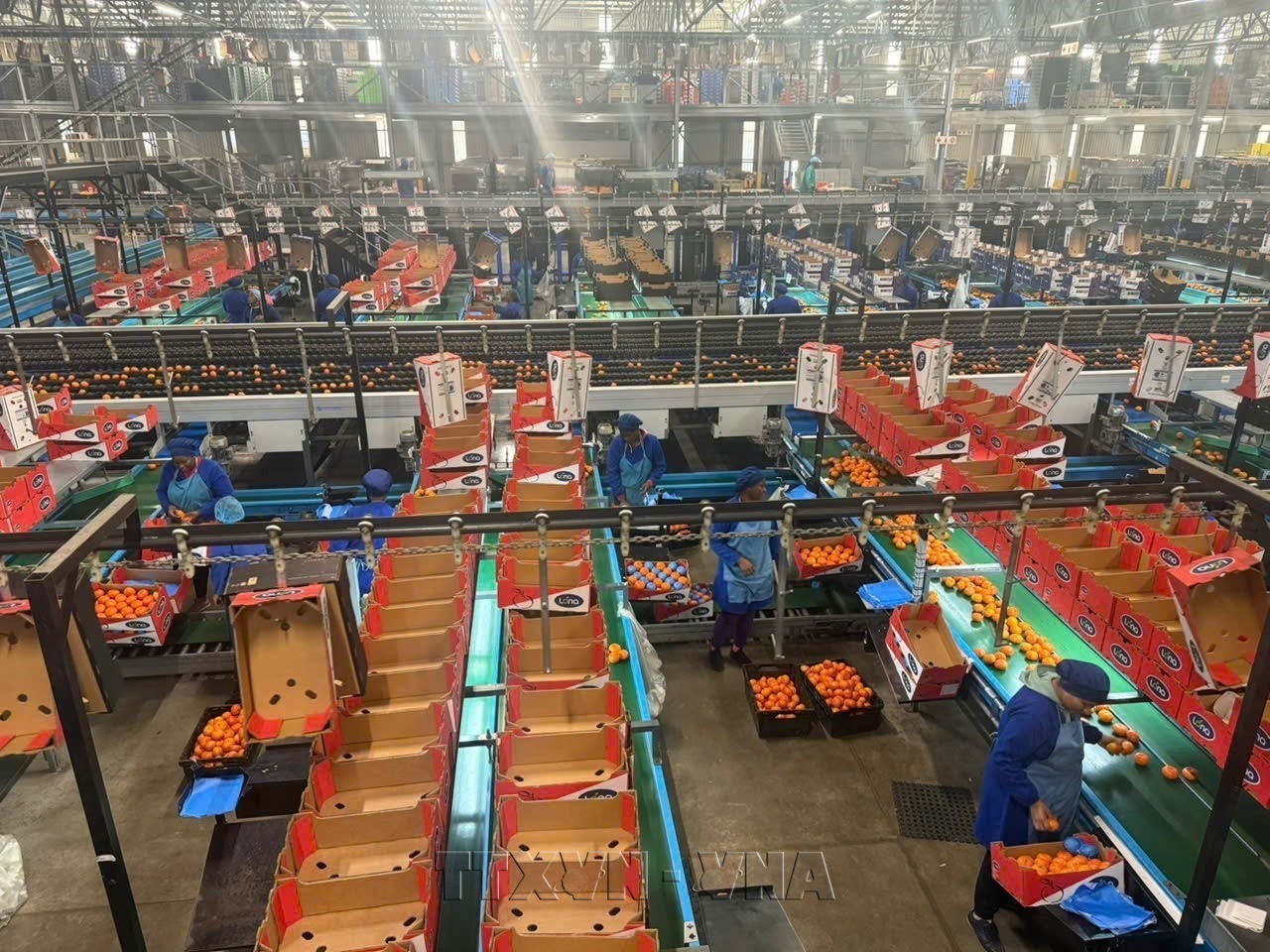
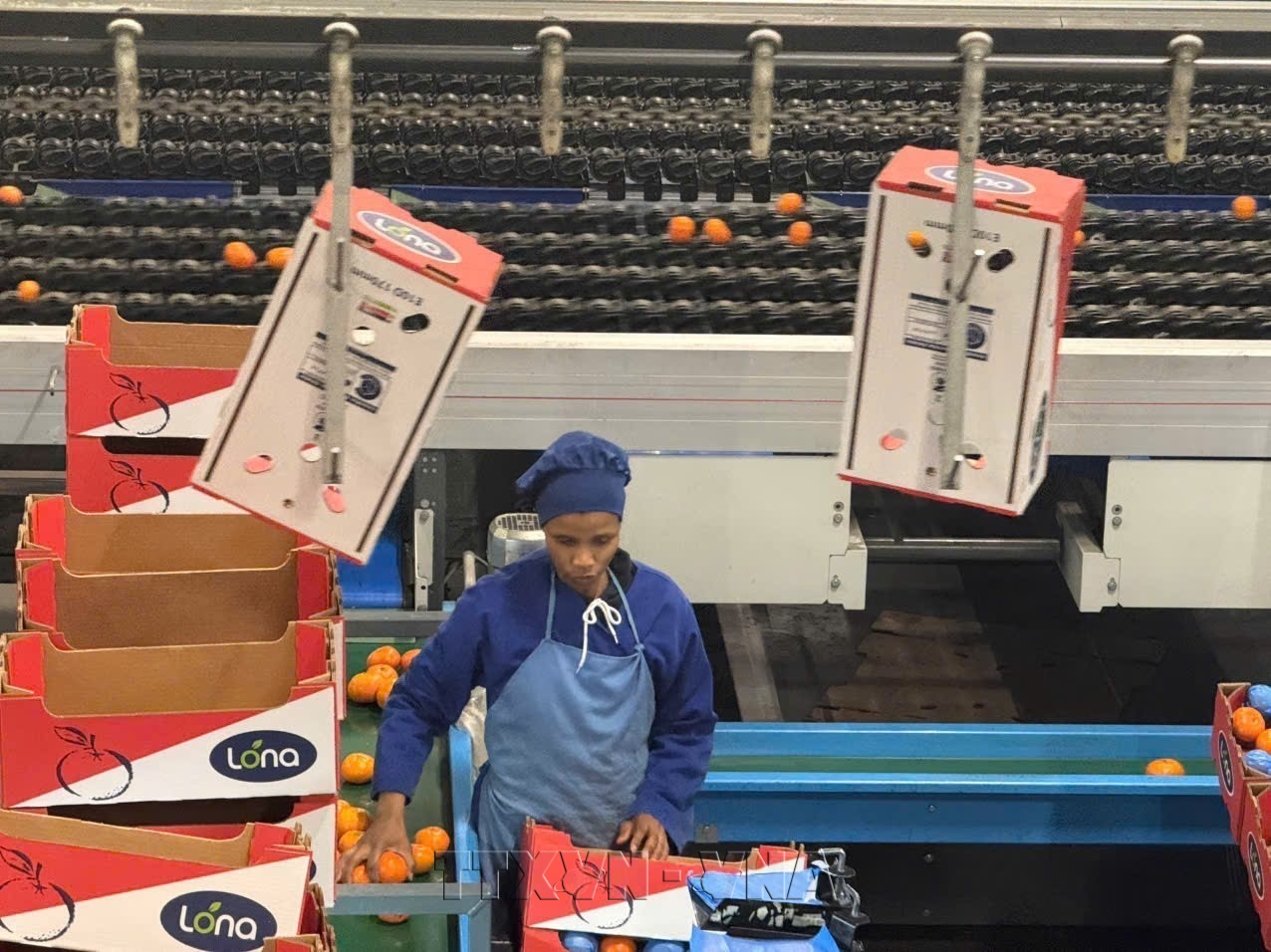
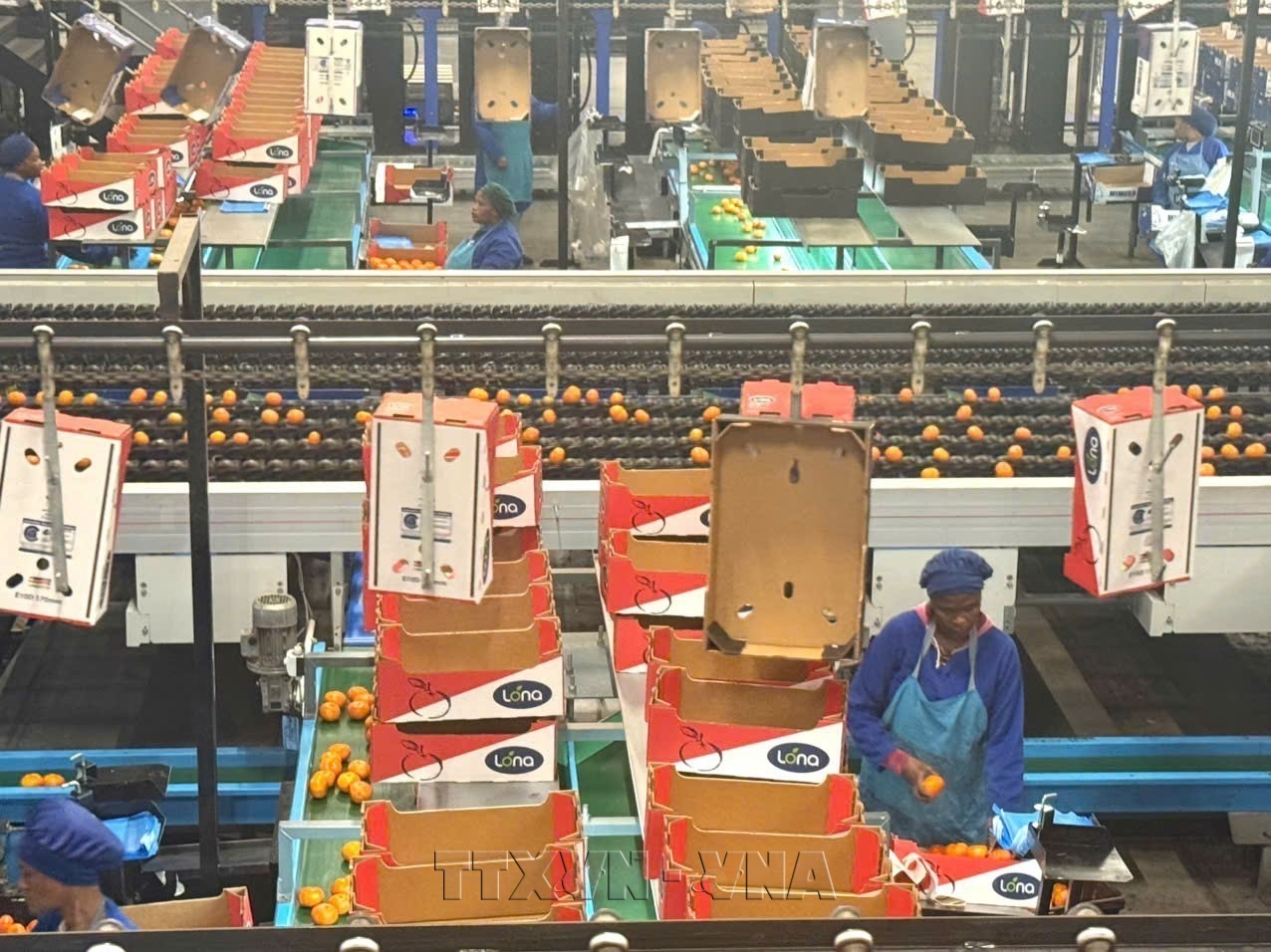
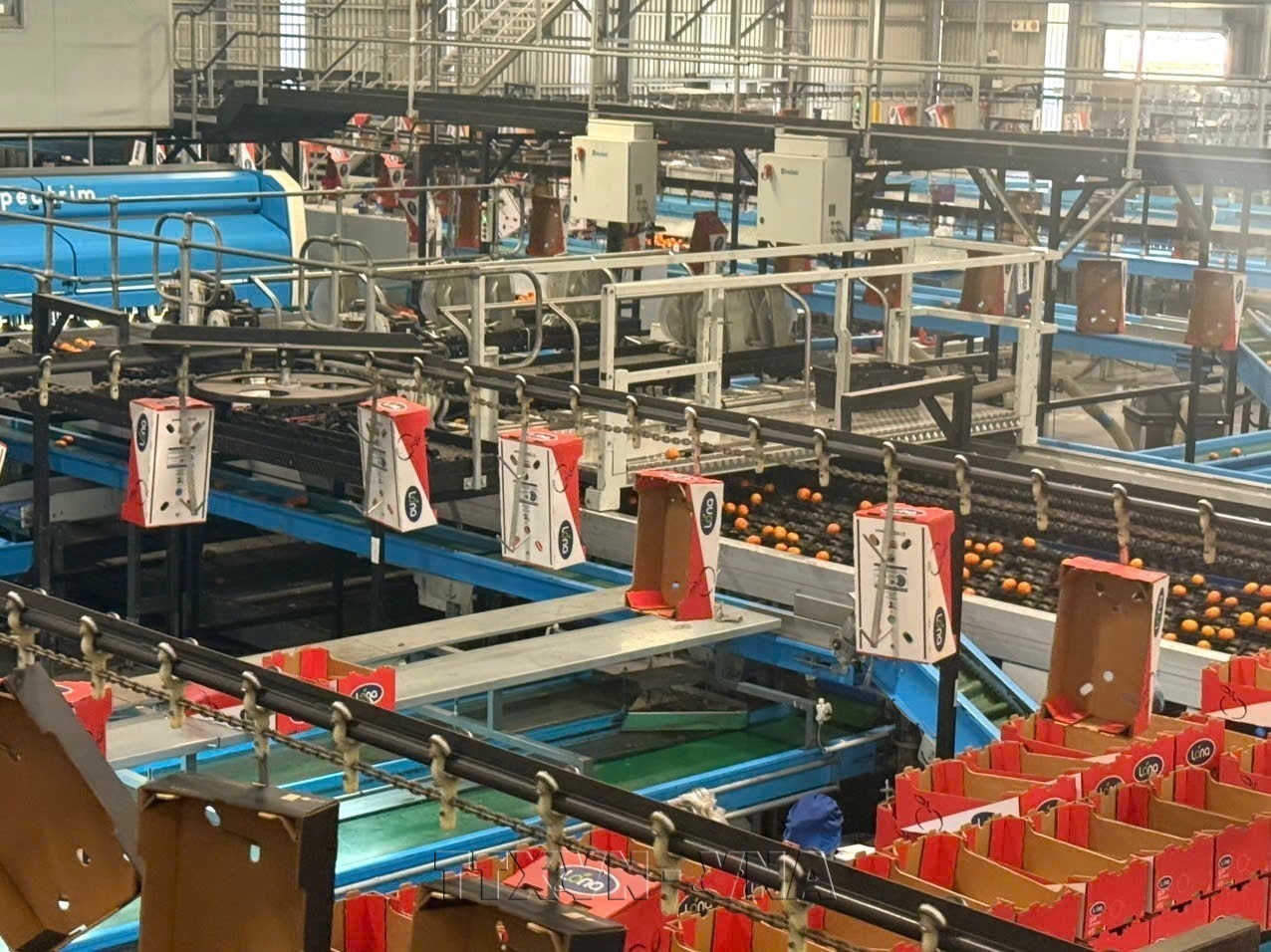
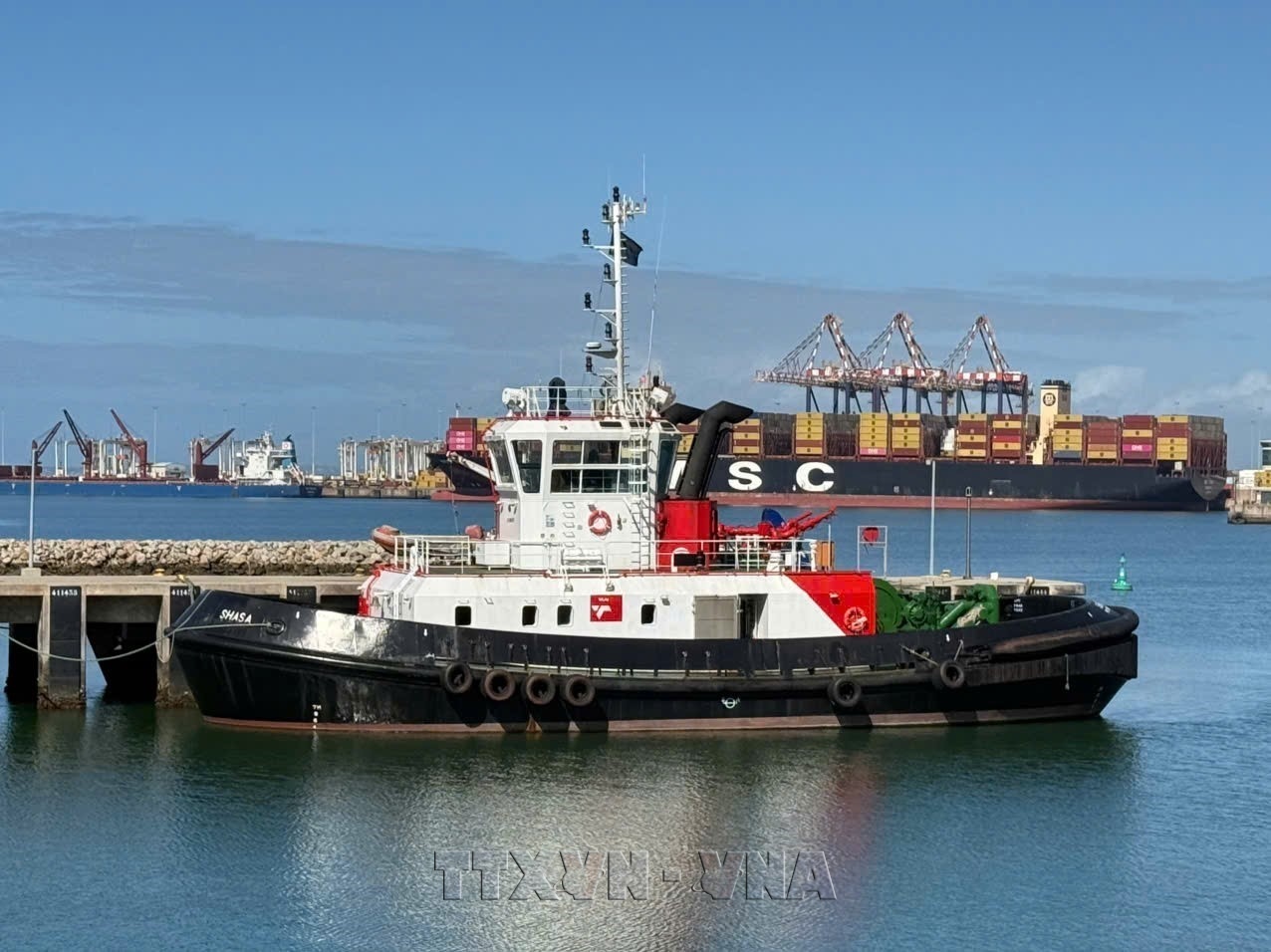
Logistics bottlenecks are often the Achilles' heel of economic zones. Coega resolves this through a seamless integration with the Port of Ngqura -South Africa's deepest container port, boasting a 16-meter draft. This proximity gives the Coega SEZ a definitive competitive edge. The port operates 24/7, providing investors with reliable, congestion-free cargo movement.
The port's cargo profile accurately mirrors Coega's vibrant industrial activity. Its container terminal, with a design capacity of 2 million TEUs, currently handles a steady 700,000 to 800,000 TEUs annually. Ngqura acts as a global gateway, importing components for major automakers like Mercedes-Benz and Volkswagen, and exporting massive volumes of citrus fruits to European markets. Additionally, the bulk terminal demonstrates exceptional capacity, processing up to 7 million tons of manganese ore a year and featuring specialized storage systems for tire manufacturing materials.
This operational fluidity stems from the government’s macro-planning vision and the seamless coordination of the Transnet ecosystem, South Africa’s state-owned freight transport corporation. Responsibilities here are clearly delineated: the Transnet National Ports Authority (TNPA) acts as the infrastructure "landlord," while Transnet Port Terminals (TPT) directly manages and operates the terminals, creating a highly efficient, closed-loop logistics network. Despite state management, the system remains open to private sector participation (PSP), continually reinforcing its status as a strategic maritime gateway for the continent.
A Diverse Ecosystem and the Green Transition
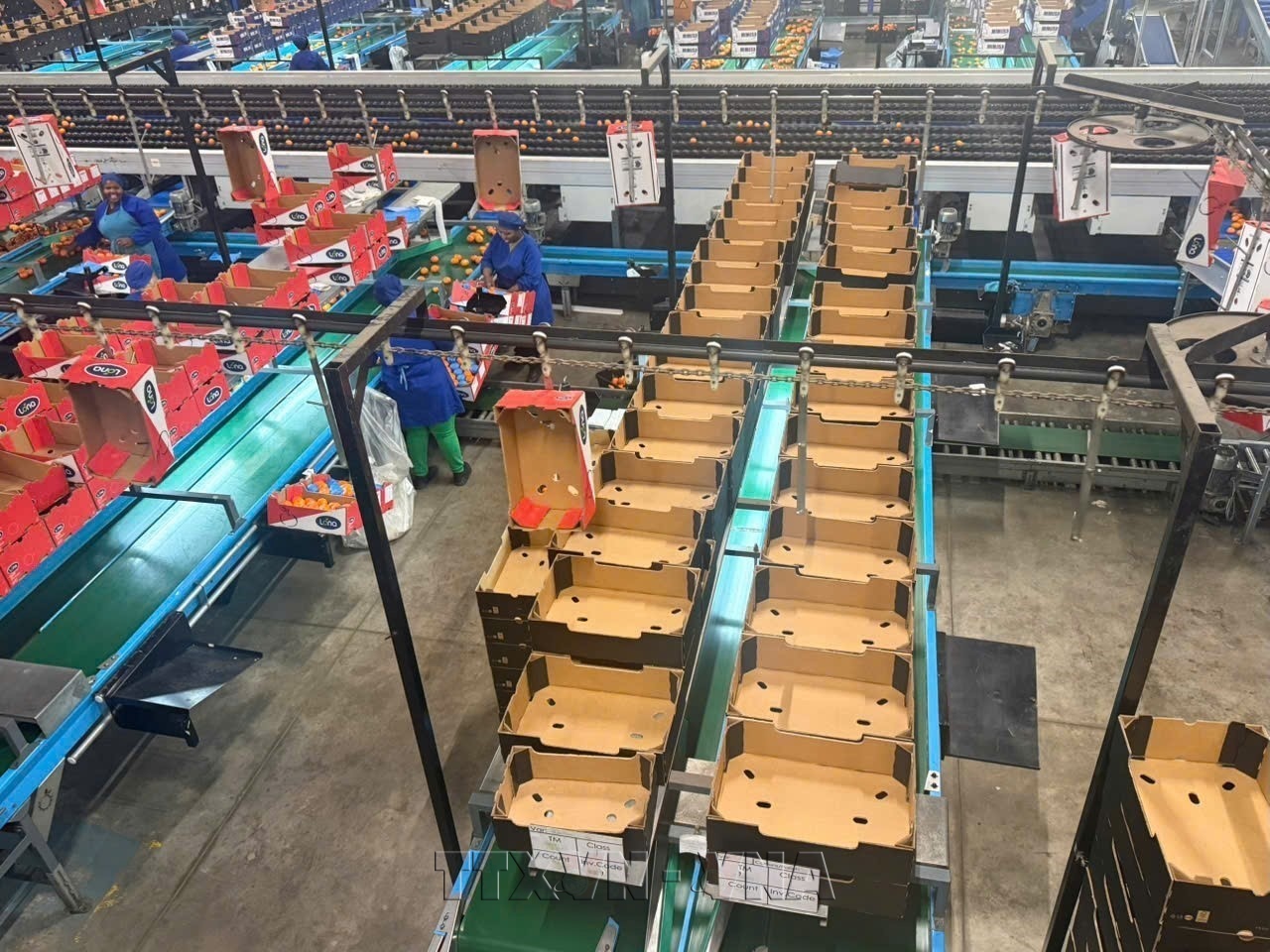
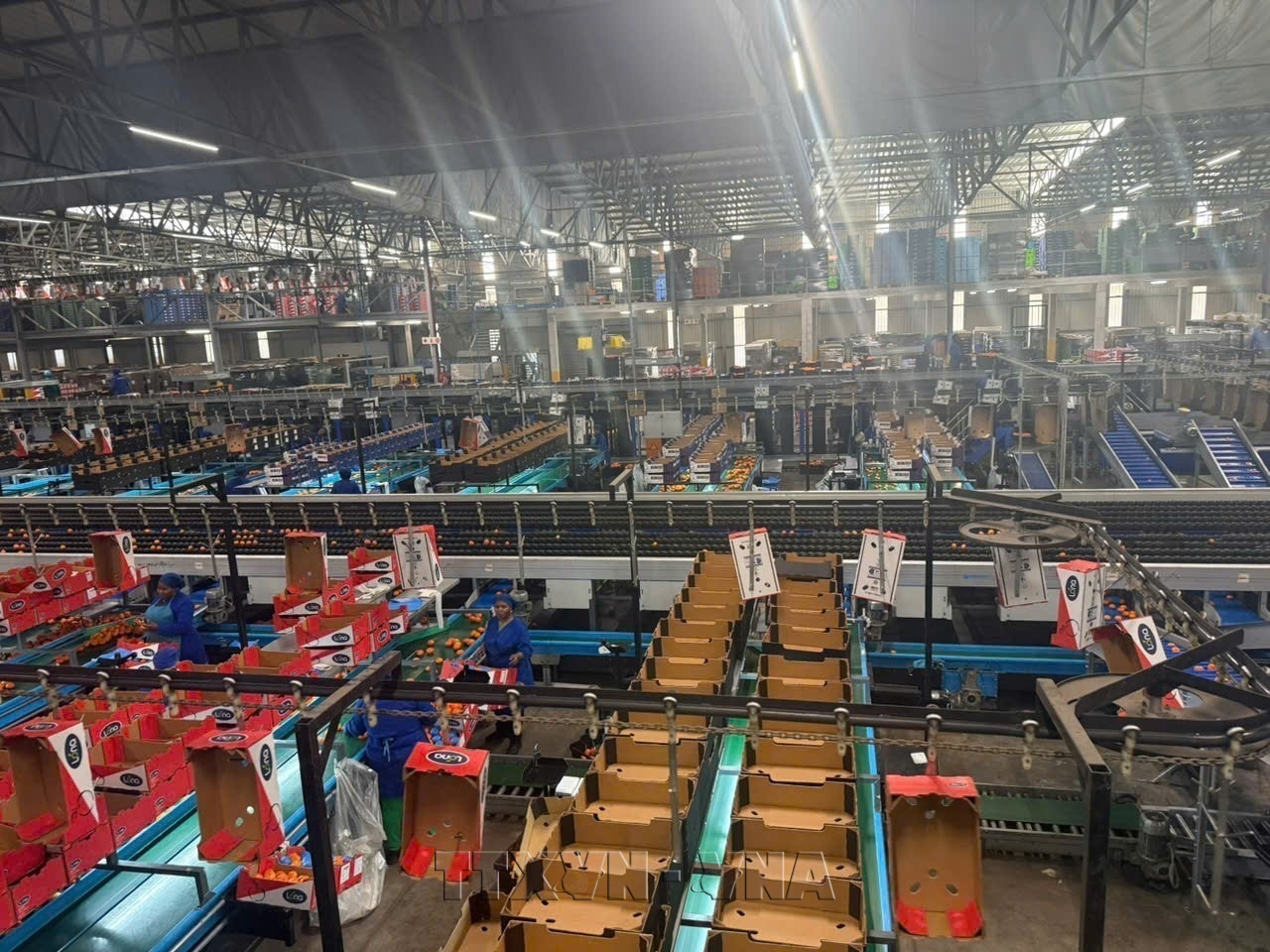
Far from a simple transit hub, Coega is meticulously planned into 14 specialized functional zones. It serves as a manufacturing base for automotive giants like BAIC, FAW, and Isuzu, while also clustering metallurgy, chemicals, and large-scale agro-processing facilities such as DC Foods.
However, Coega’s strategic appeal in recent years lies in its ambitious green transition. With international investors - particularly from Europe and the US - increasingly prioritizing environmental, social, and governance (ESG) standards, Coega has positioned itself as an engine for green growth rather than merely a vendor of industrial plots.
The zone is aggressively rolling out sustainable energy projects, from outfitting factory roofs with solar panels to developing a 100MW solar farm slated for operation by 2028. It is also supporting Hive Hydrogen, a commercial green hydrogen mega-project aimed at the export market. This forward-looking strategy has attracted billions of dollars in investment over the past decade, drawing capital from the Global South, notably China and India. For Vietnam's coastal economic zones targeting Net Zero, Coega's approach of leveraging green energy to attract high-tech FDI is a highly relevant, contemporary strategy.
World-Class Governance and a 'Leave No One Behind' Ethos
A standout feature of Coega is the exceptional governance capacity of the Coega Development Corporation (CDC), the state-owned enterprise managing the zone. Driven by a core team of 465 personnel - 73% of whom are highly qualified experts and 55% of whom are women - the CDC has set a formidable standard, securing clean audit reports for seven consecutive years.
Eschewing a reliance on state budget subsidies, the CDC now self-funds over 90% of its operating costs and targets 1 billion Rand in revenue by 2030 to achieve full financial independence. For a state entity managing complex infrastructure mega-projects, this absolute transparency is the ultimate guarantee for global corporations - offering a highly commendable lesson for economic zone management boards worldwide.
Yet, speaking to VNA correspondents, a Coega representative emphasized that the zone's true differentiator is its dedication to the community. A prime example is the Corporate Social Responsibility program at the Human Capital Solutions facility. At this Department of Education-accredited center, recent high school graduates receive free daily STEM enrichment classes. In South Africa's fiercely competitive university admissions landscape, this program serves as a crucial launchpad, equipping disadvantaged students with the foundational knowledge needed to enter higher education and secure high-quality jobs.
The Coega SEZ proves a fundamental truth about sustainable development: a world-class economic zone must do more than attract capital flows and generate commercial profit. It must pioneer green energy, champion transparent governance, and dedicate itself to nurturing knowledge for future generations.
By Dang Huyen & Trung Kien