Chuyen My Elevating Vietnamese Crafts on Global Market
The inclusion of Chuyen My’s mother-of-pearl inlay and lacquerware village in the World Crafts Cities (WCC) Network marks a significant milestone for Vietnamese handicrafts on their path to global integration. With a thousand years of heritage, Chuyen My is steadily bringing the value of traditional craftsmanship to the global creative stage.
A Living Heritage
In early 2026, the craft village in Chuyen My Commune, Hanoi, was officially admitted to the World Crafts Cities Network, becoming one of the few traditional craft villages in Vietnam to earn this distinction.
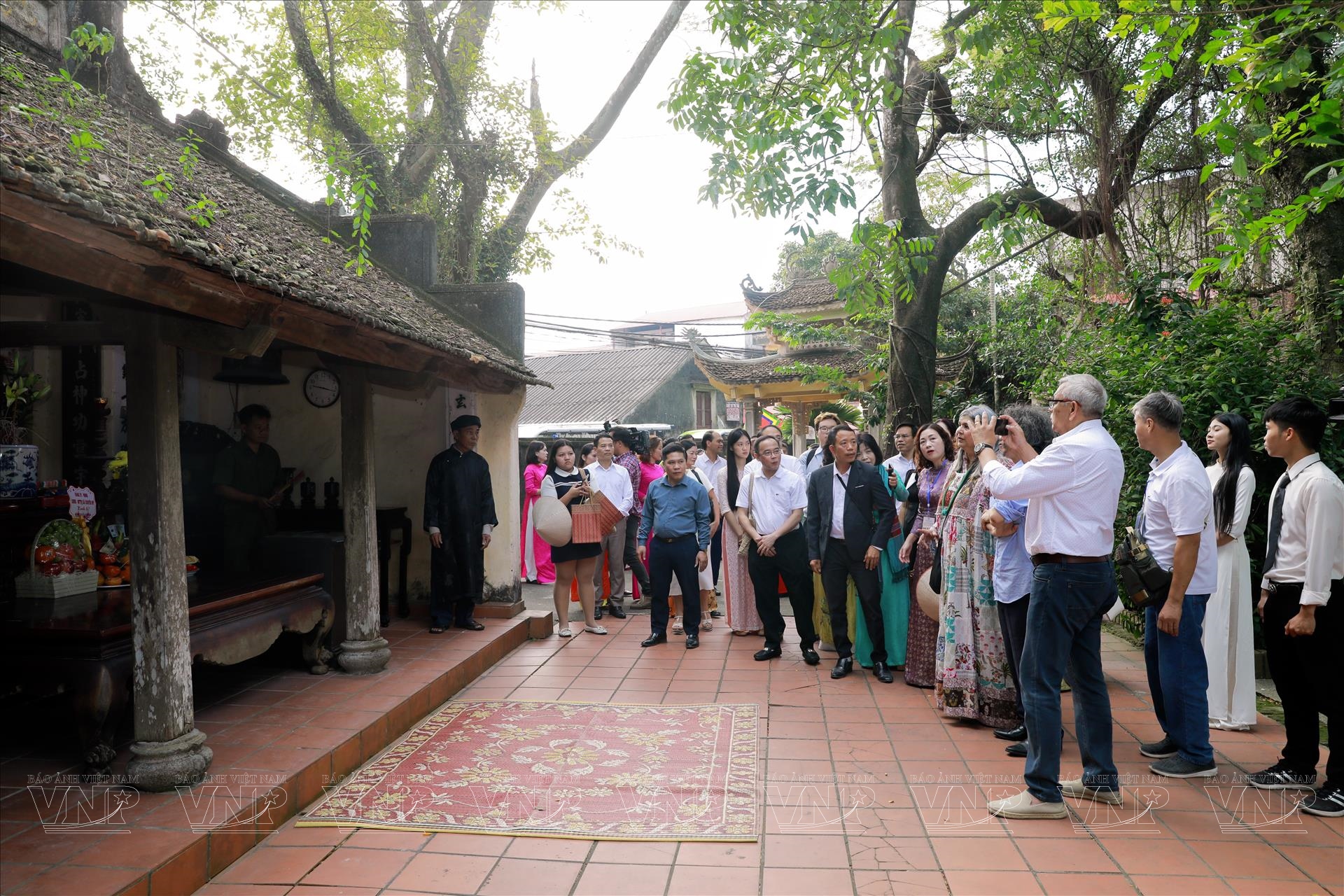
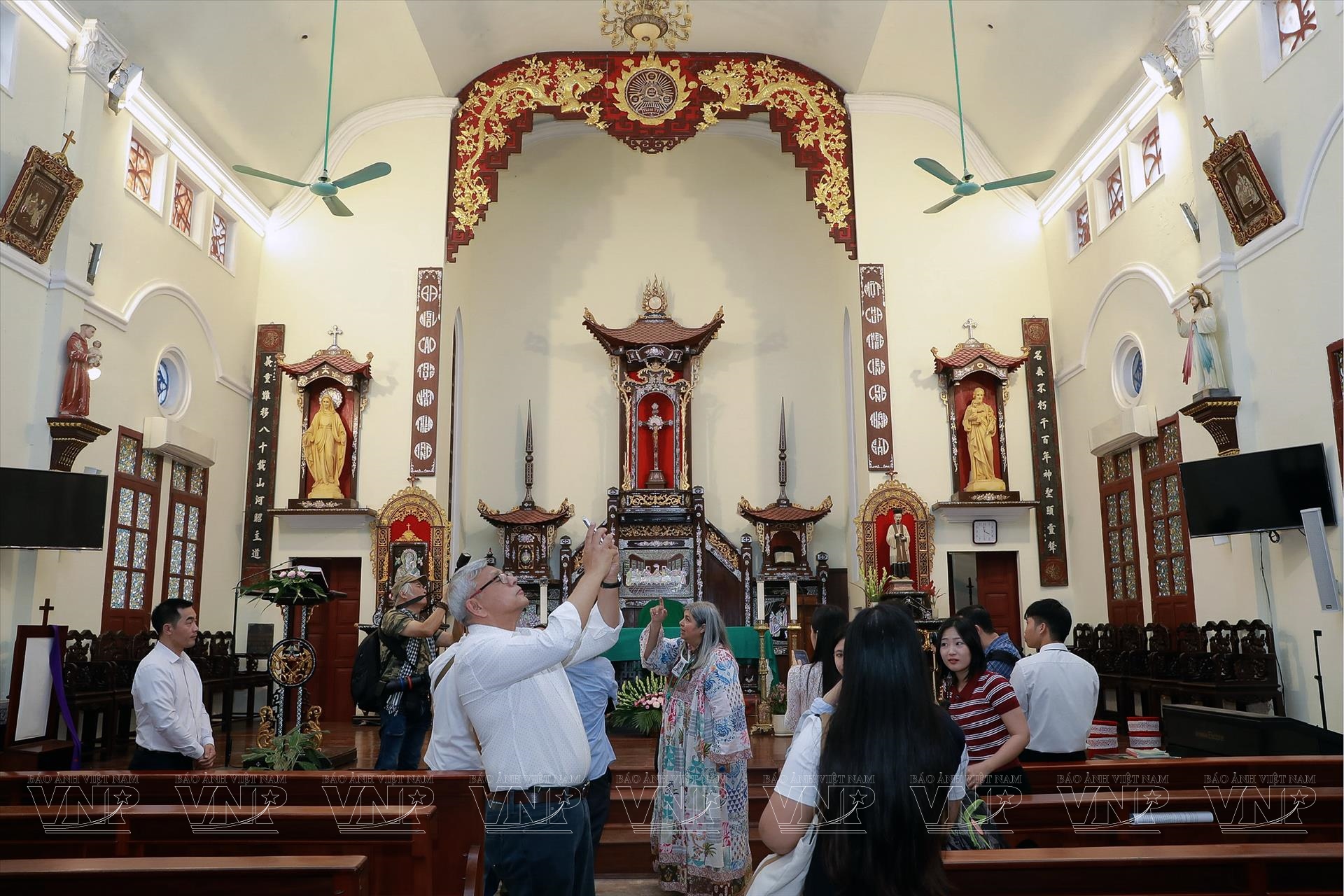
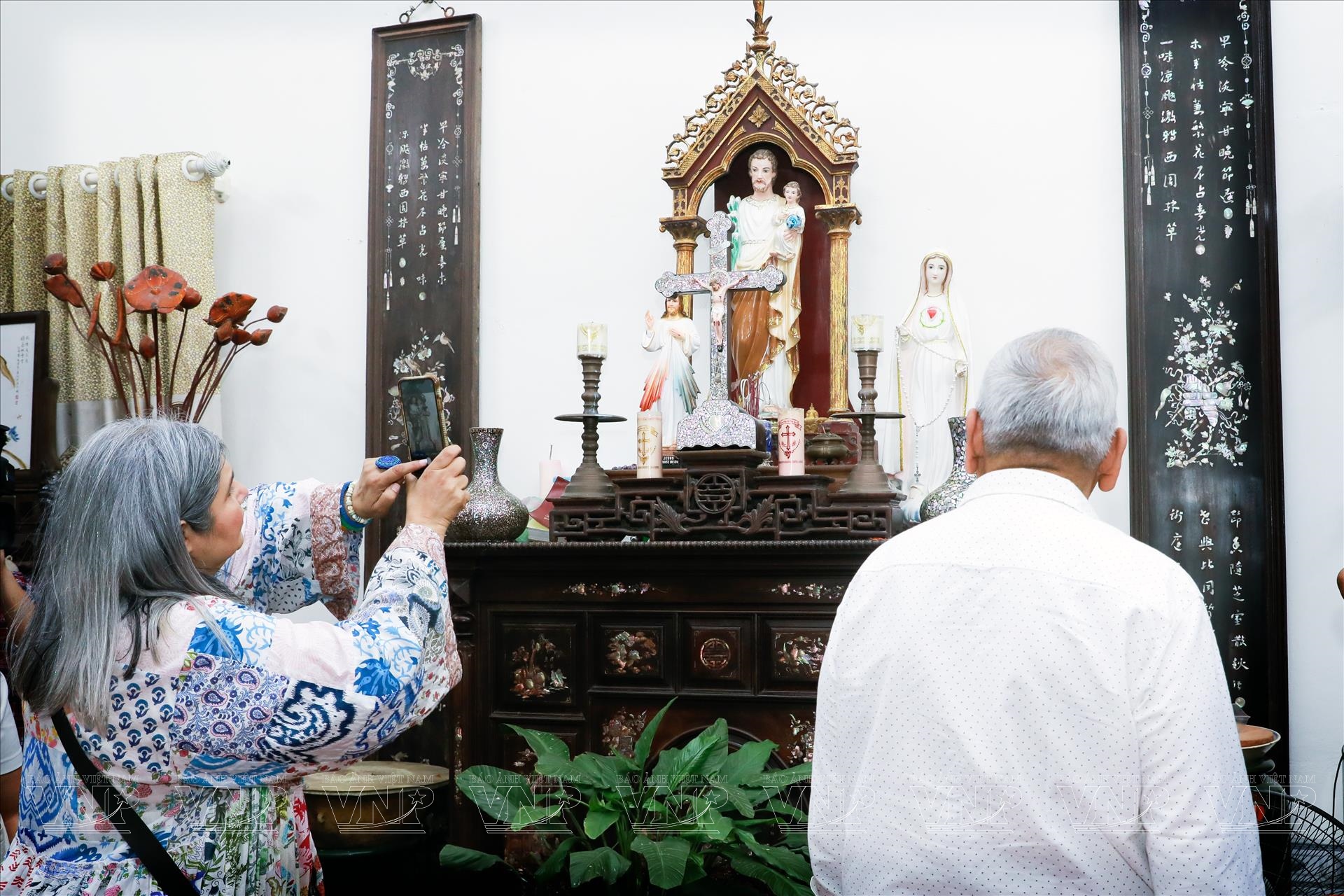
Dating back to the 11th century and spanning nearly a thousand years, Chuyen My has long been a center for the development of mother-of-pearl inlay and lacquer art through generations. The craft is concentrated in the hamlets of Chuon Thuong, Chuon Ha, Chuon Ngo, Chuon Trung, and Boi Khe, forming a distinctive craft ecosystem deeply intertwined with community life.
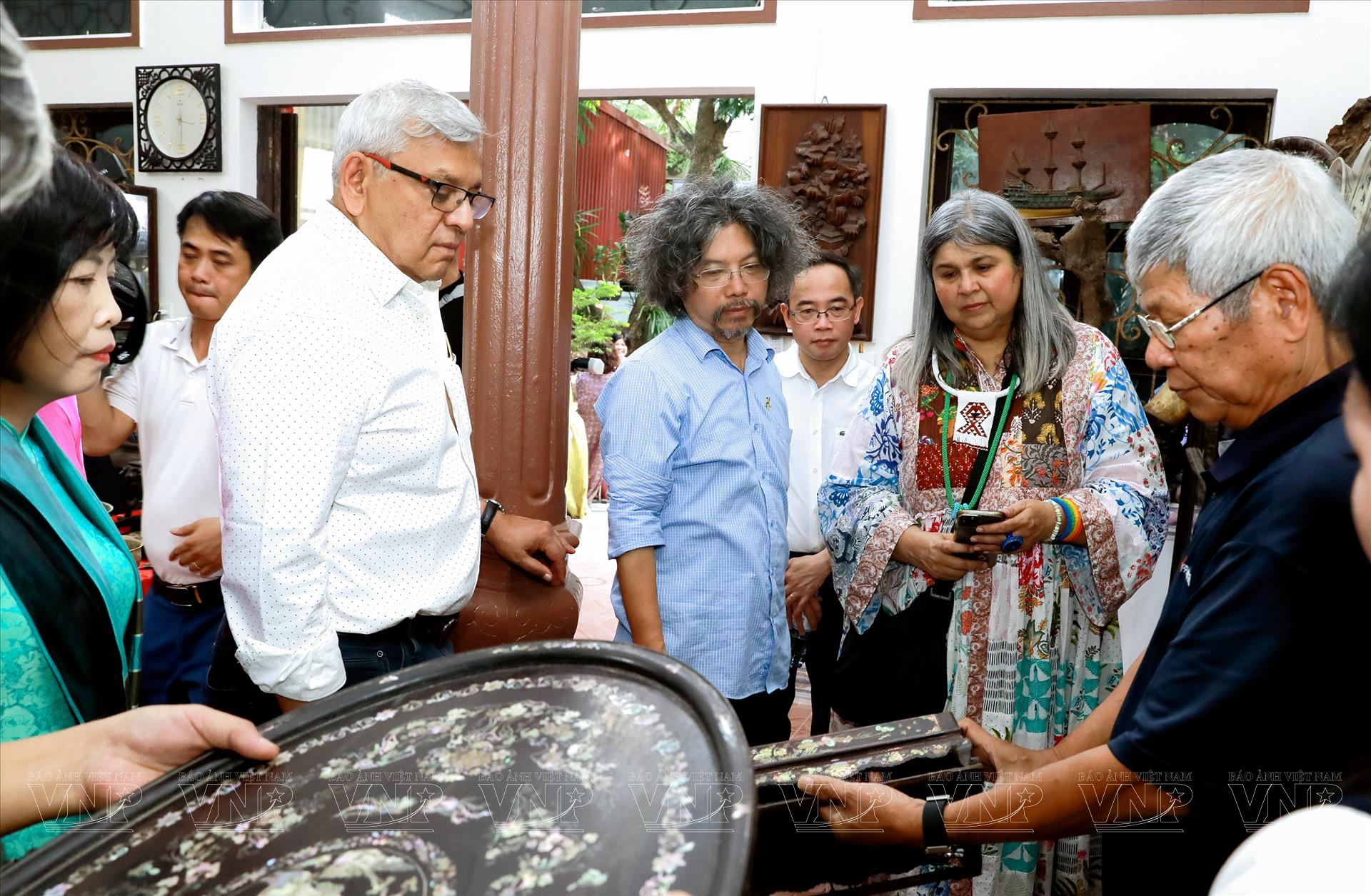
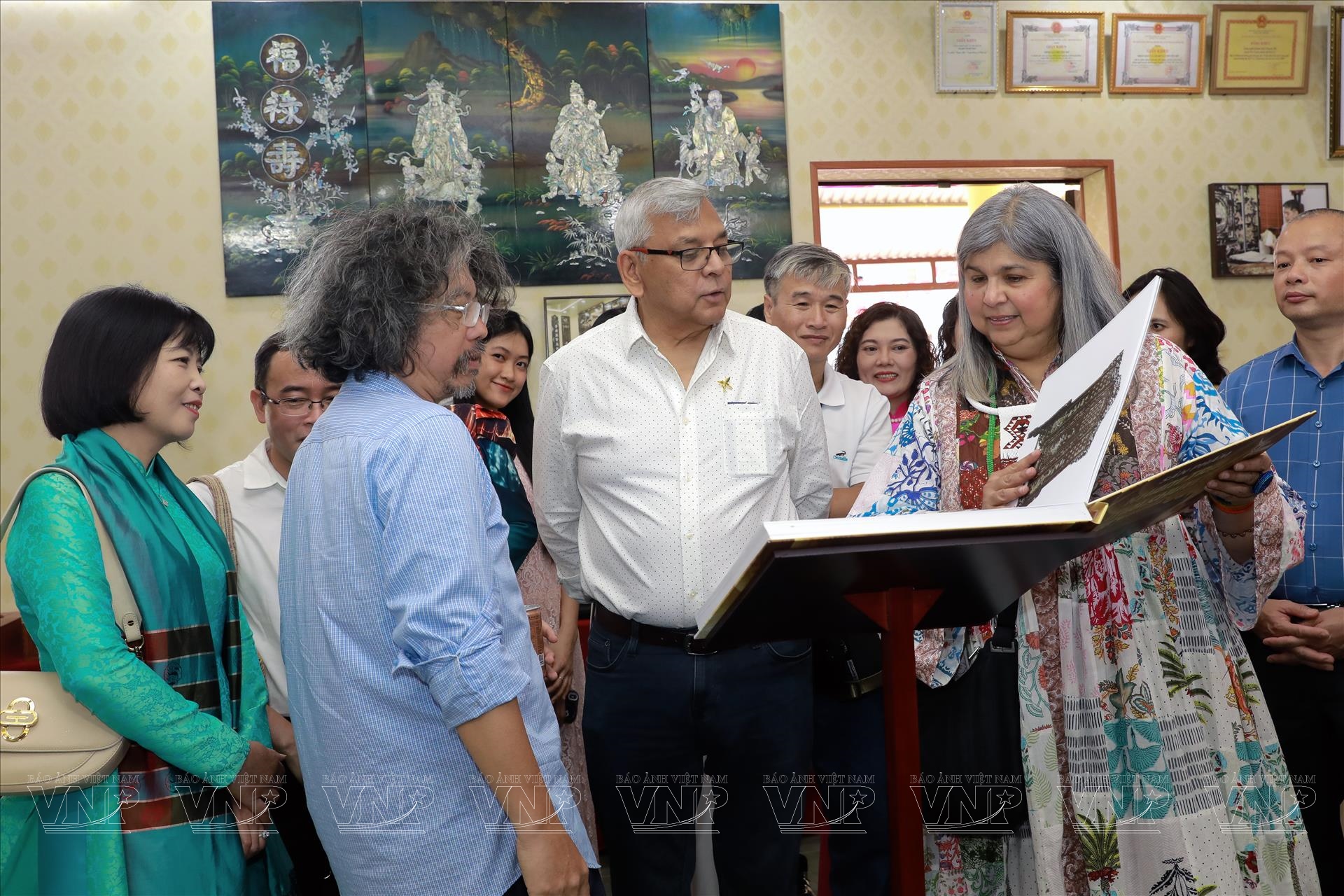
The village is home to 20 state-recognized artisans and thousands of skilled workers. Drawing on meticulous handcrafting techniques, they produce a wide range of items, from intricately carved wooden furniture and tea sets to inlaid paintings and decorative objects, each embodying strong aesthetic value and a distinct cultural identity.
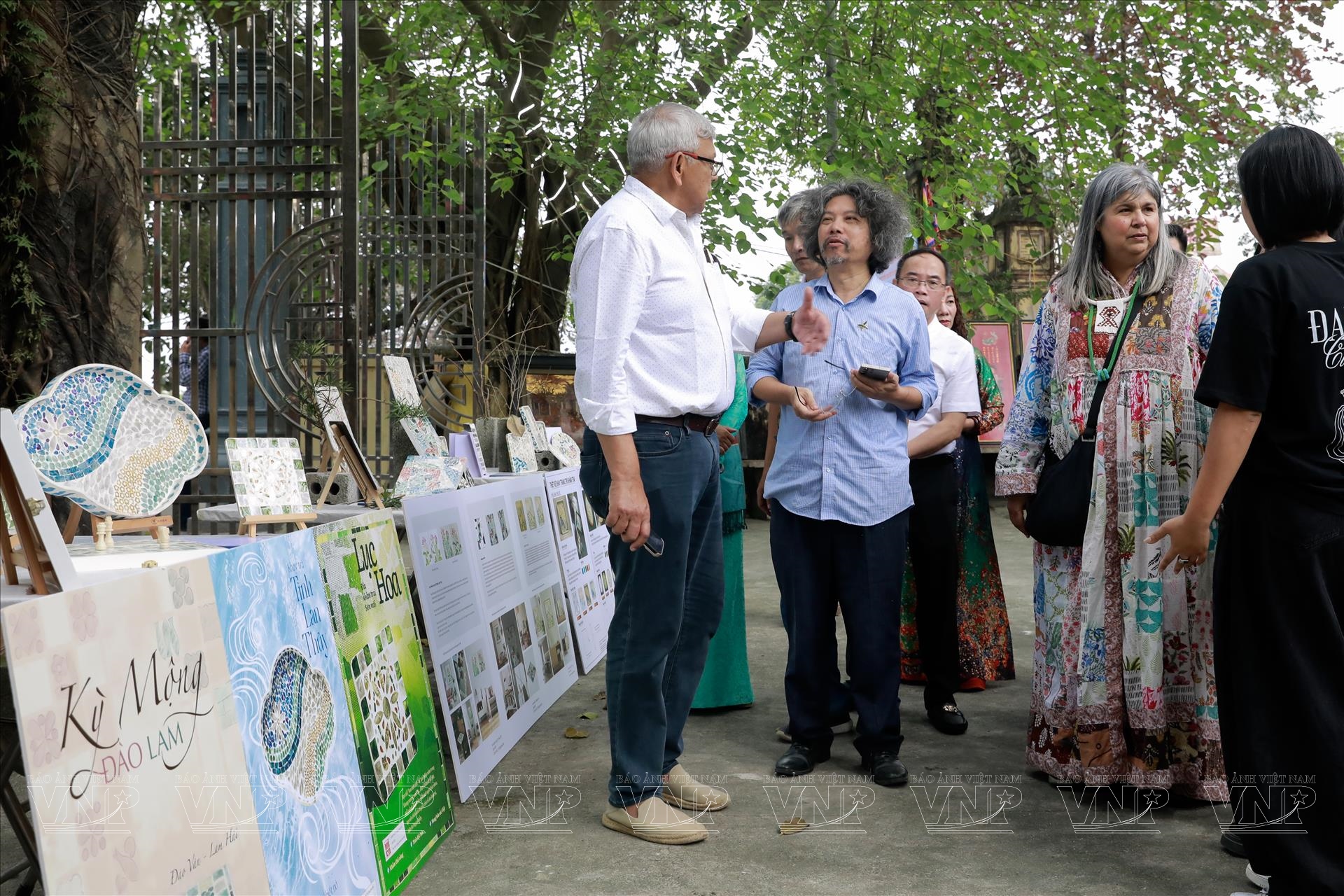
As part of its application to join the Network, local authorities and artisans worked closely with relevant agencies to meet rigorous criteria. Coordinated efforts included upgrading exhibition spaces, linking cultural narratives with products, and improving the village environment along greener, cleaner, and more sustainable lines.
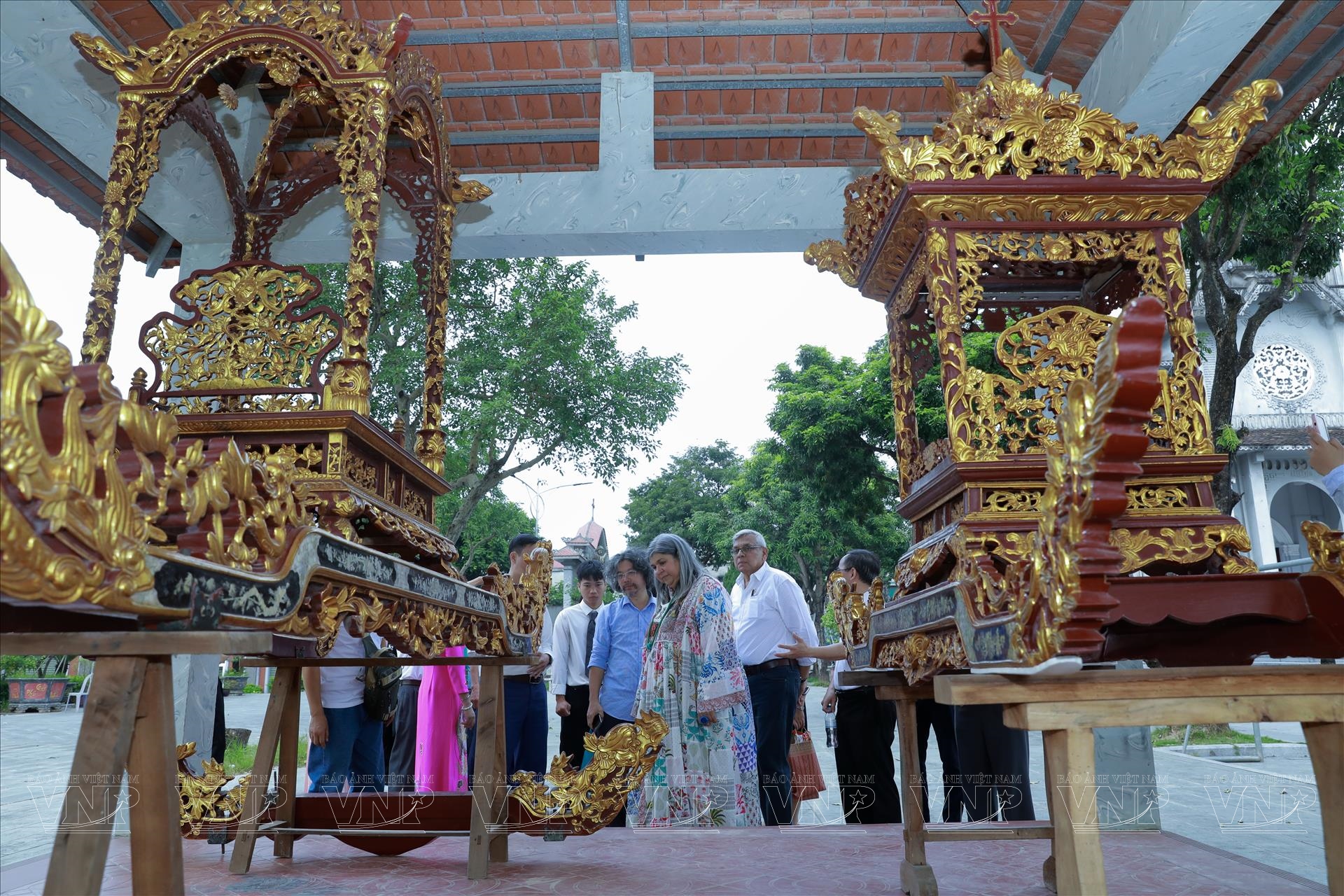
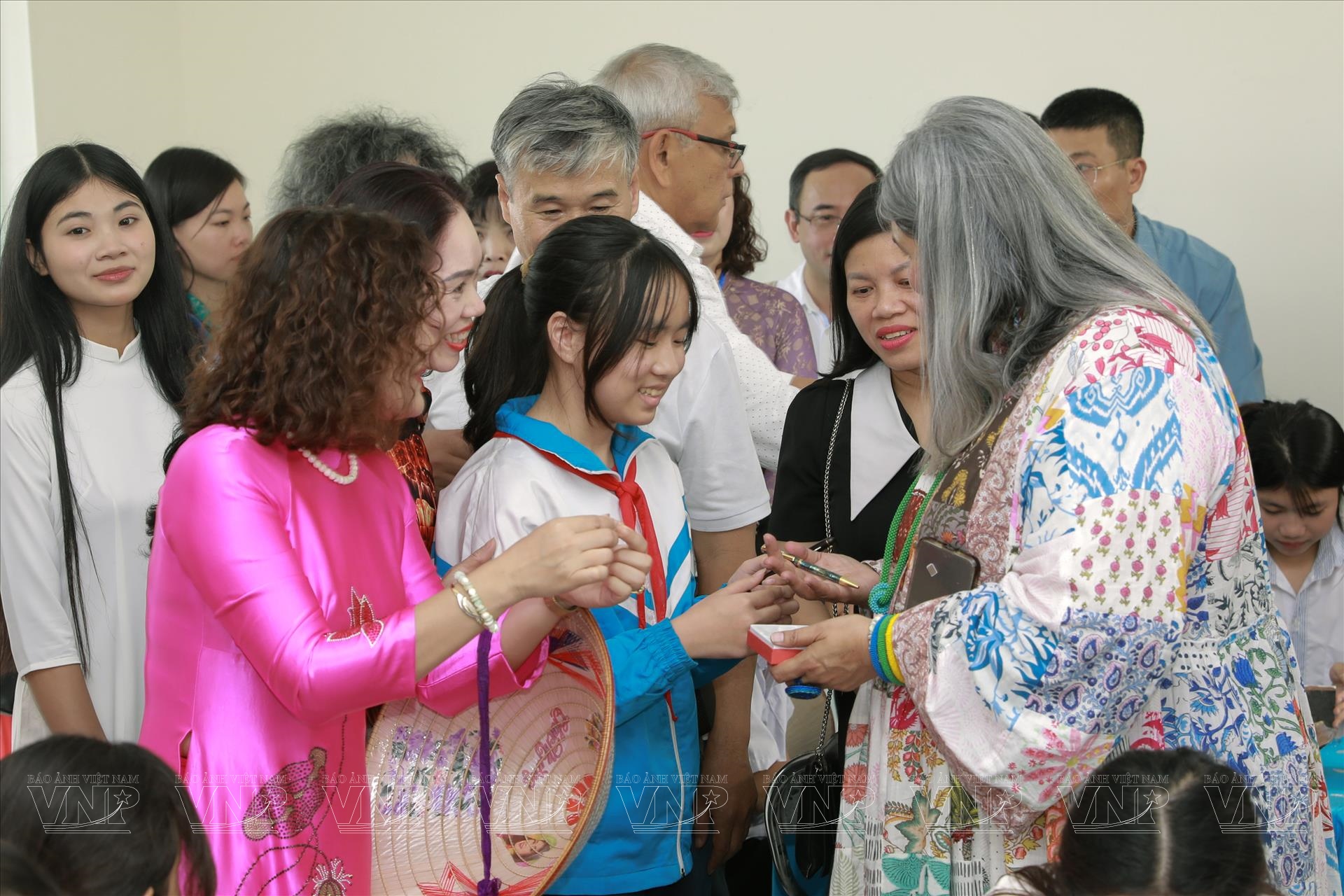
In November 2025, Chuyen My welcomed nearly 200 international delegates, including craft experts and researchers, for site visits and evaluation. The experts commended the village for its success in balancing heritage preservation with creative innovation.
A New Catalyst for Sustainable Growth
According to Nguyen Thi Thuy Huong, Vice Chairwoman of the Chuyen My People’s Committee, joining the Network opens tangible opportunities for the locality. “Through this platform, artisans and craftspeople can expand their networks, exchange expertise, and access new design trends, thereby enhancing product value,” she said.
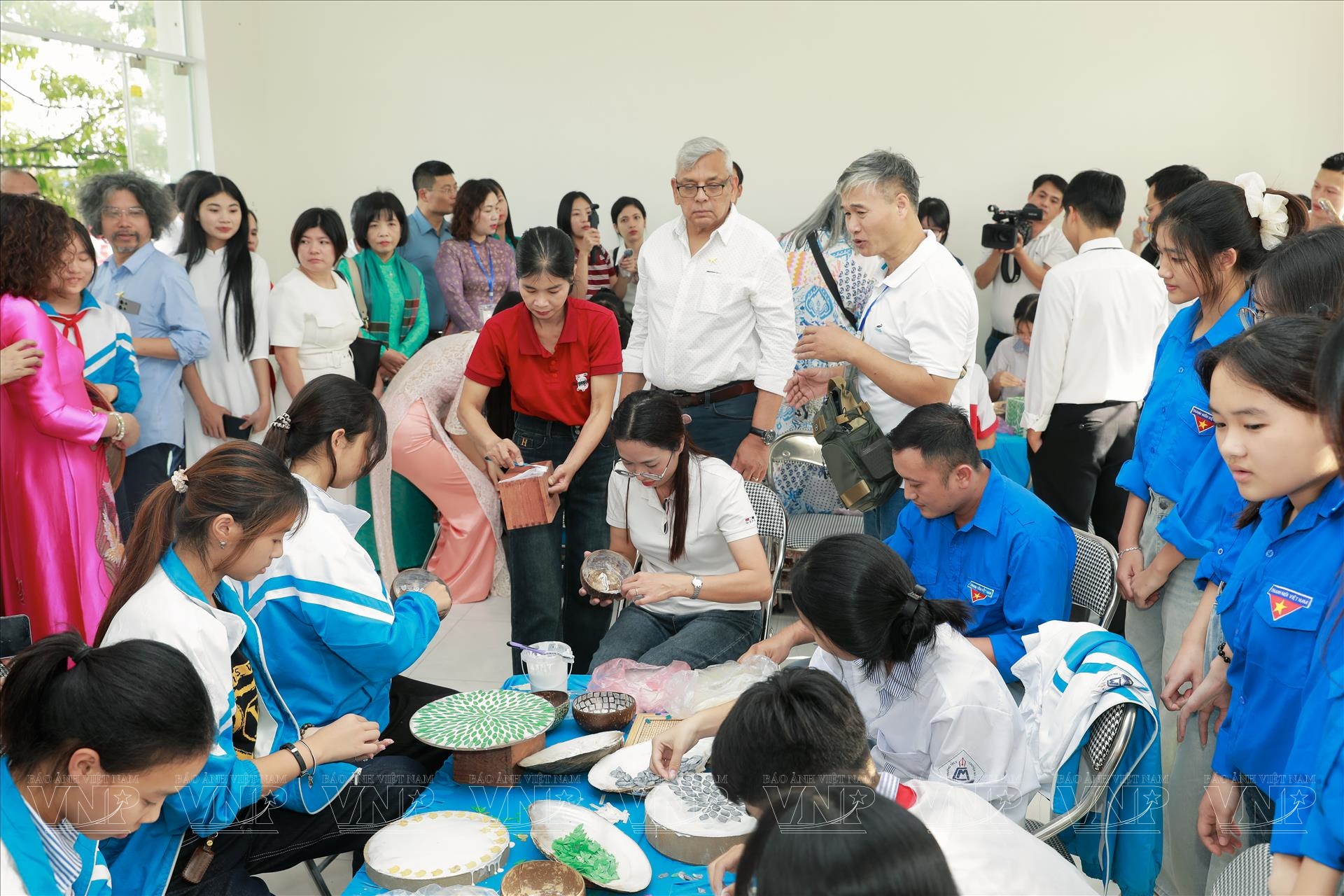
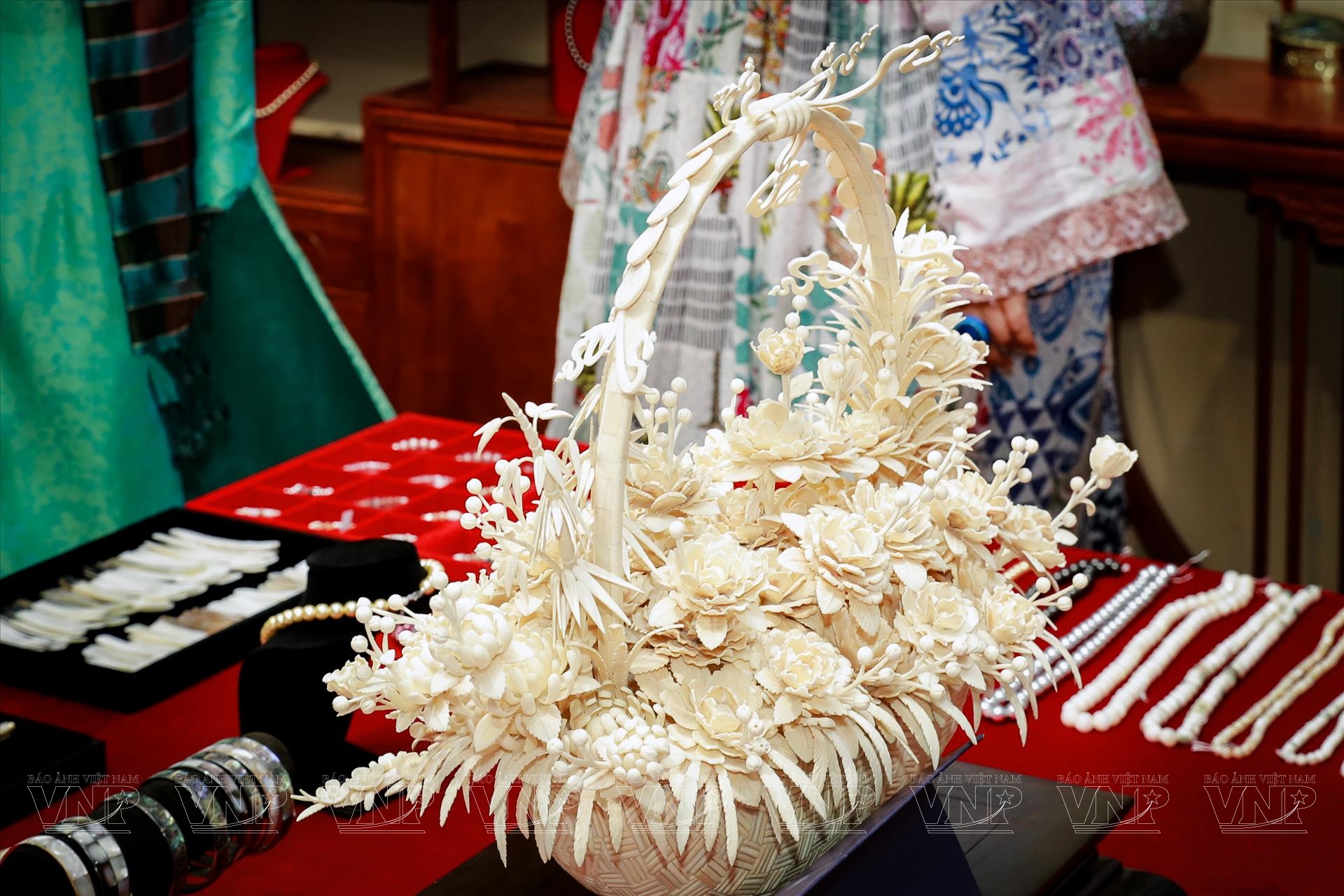
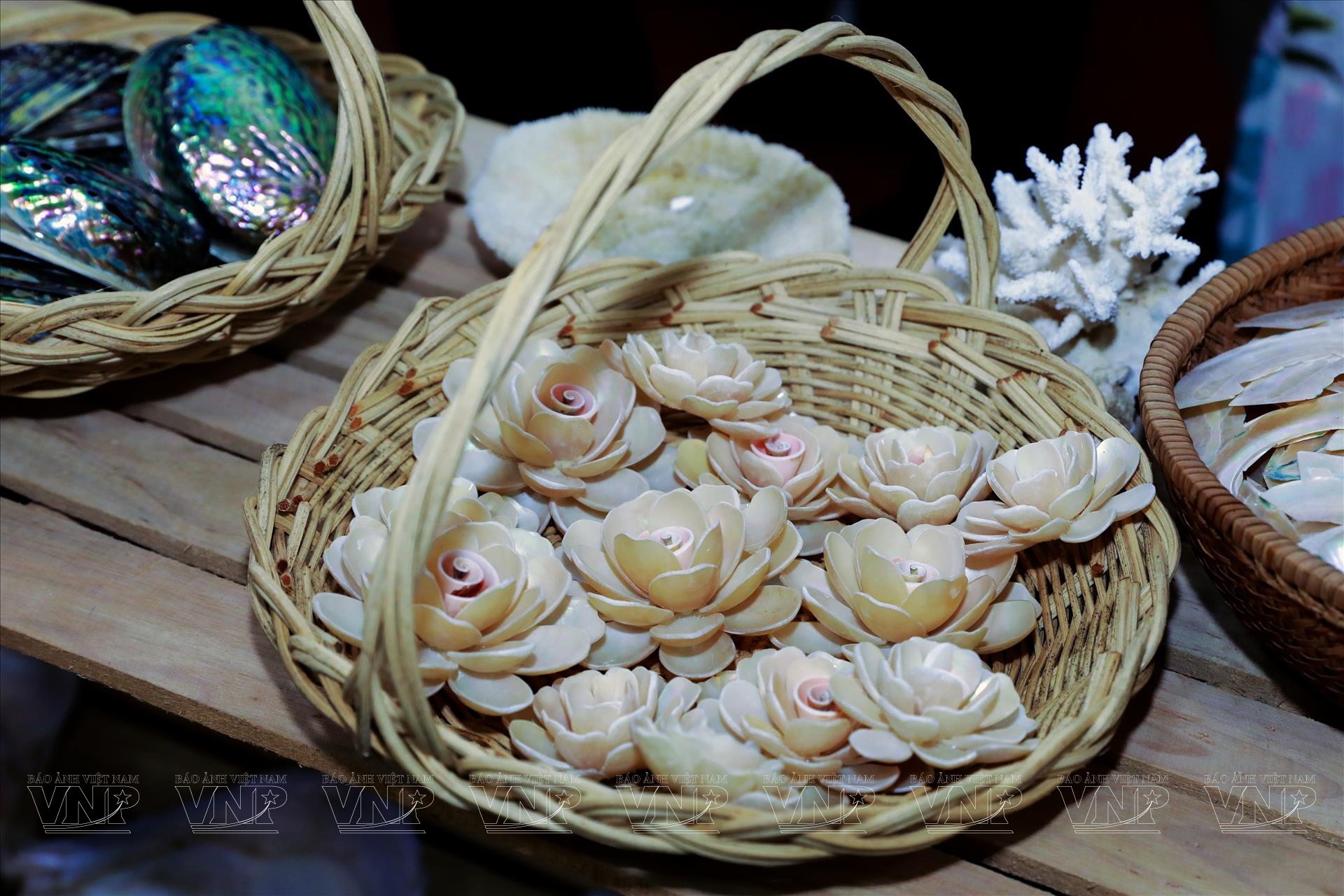
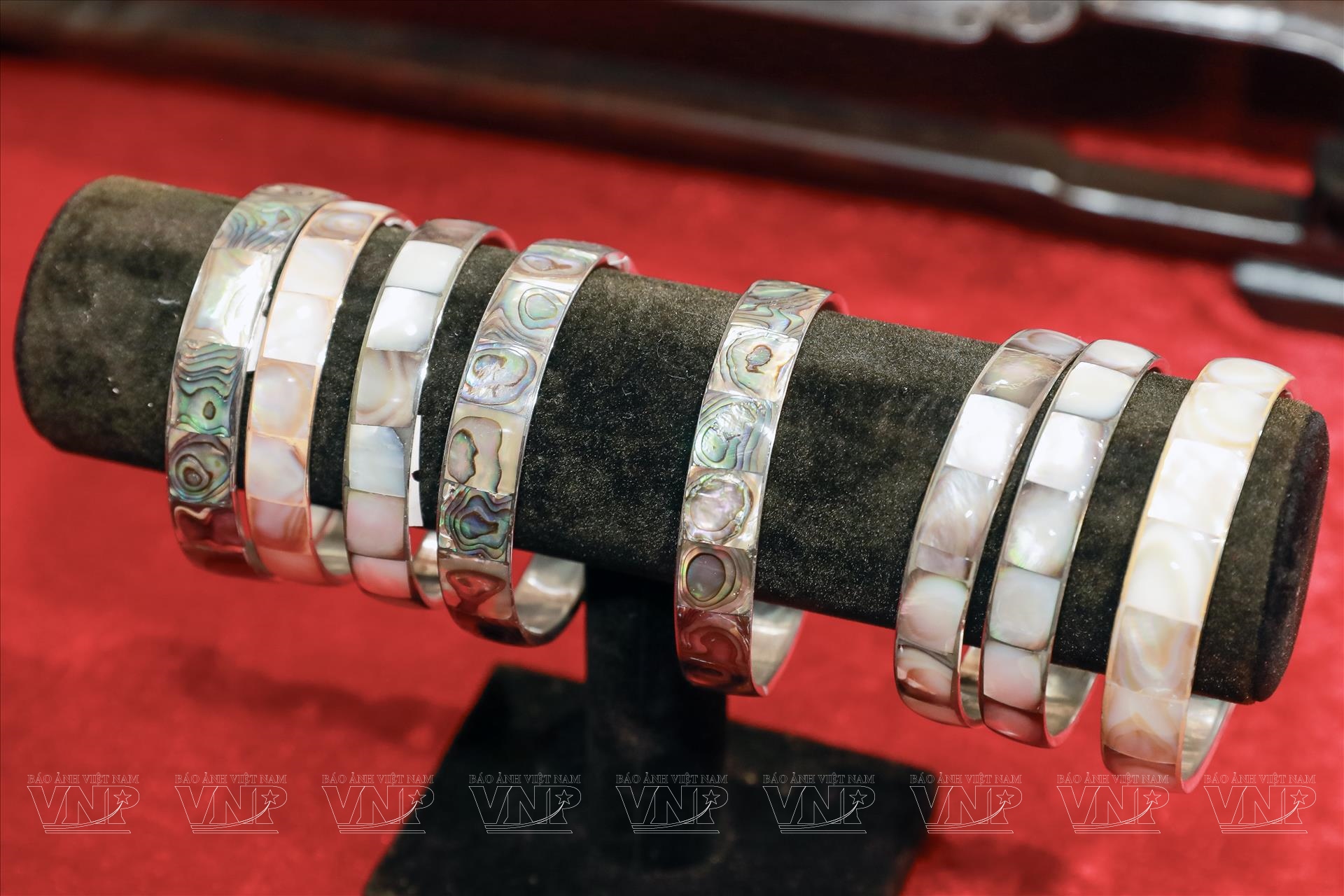
Beyond production, Chuyen My is actively developing craft-based tourism to attract domestic and international visitors alike. This is seen as a strategic direction to generate employment, boost incomes, and support local socio-economic development.
Building on its heritage, the village is also modernizing traditional crafts by integrating digital technology, diversifying advertising channels, and refining product designs to meet international market demands.
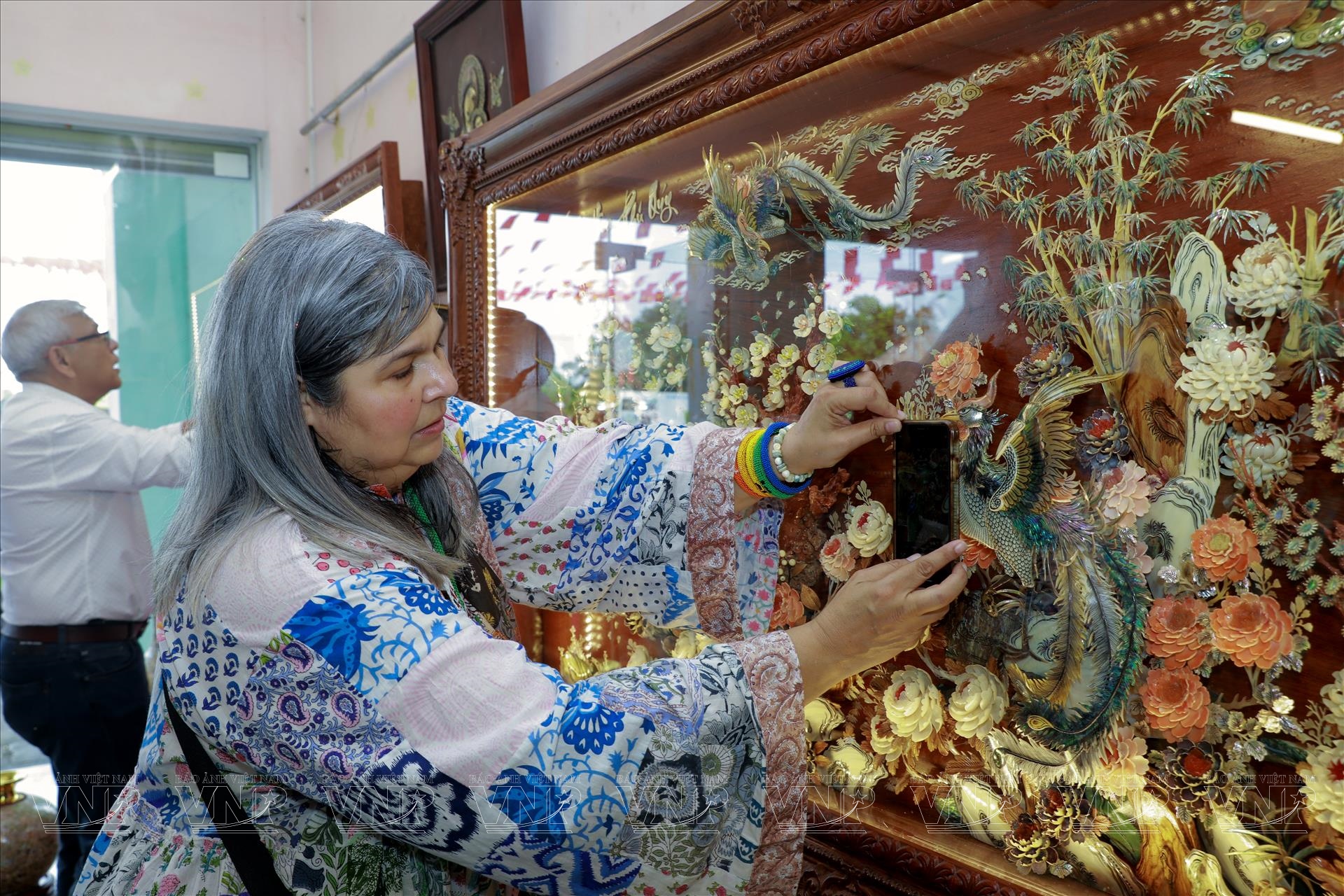
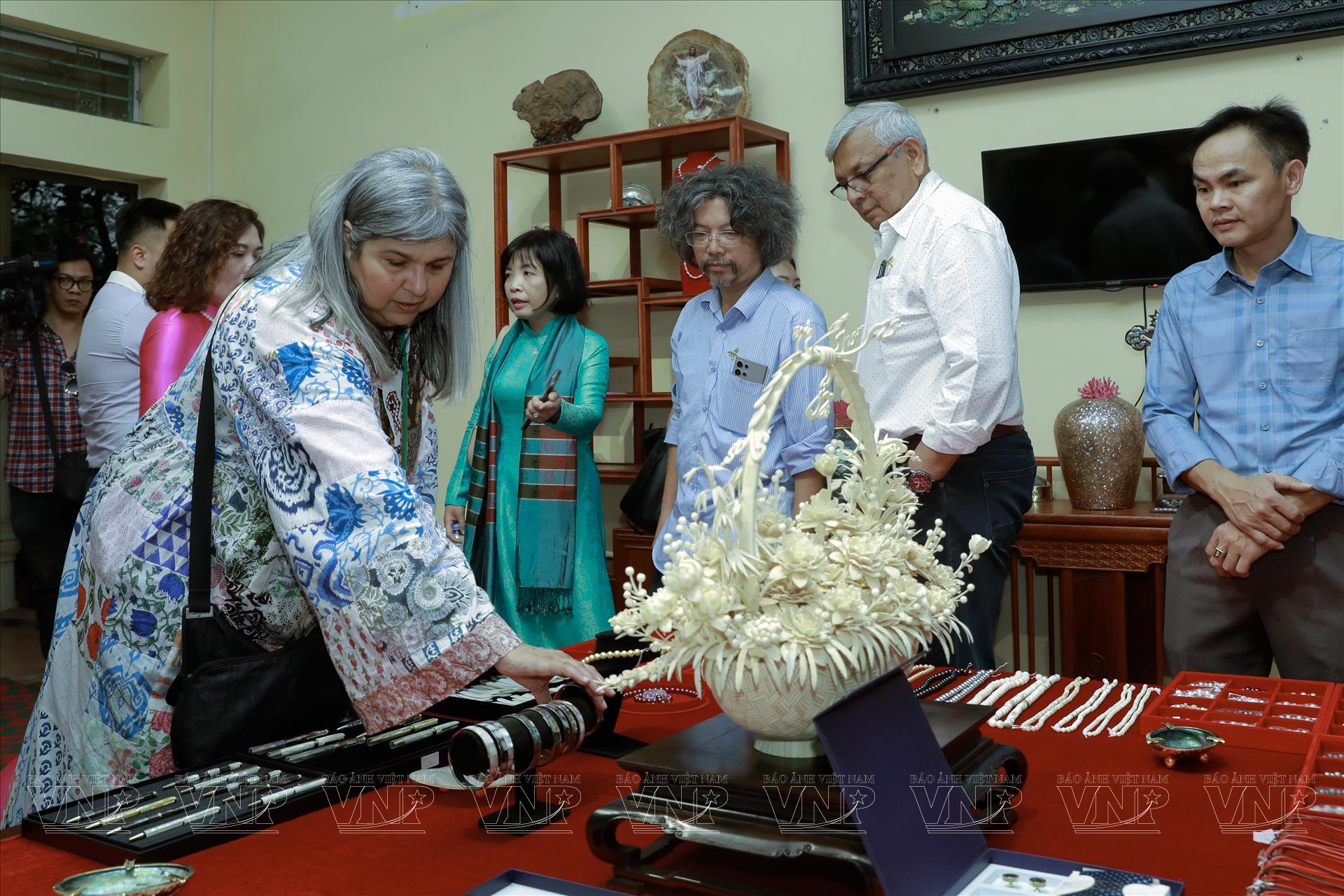
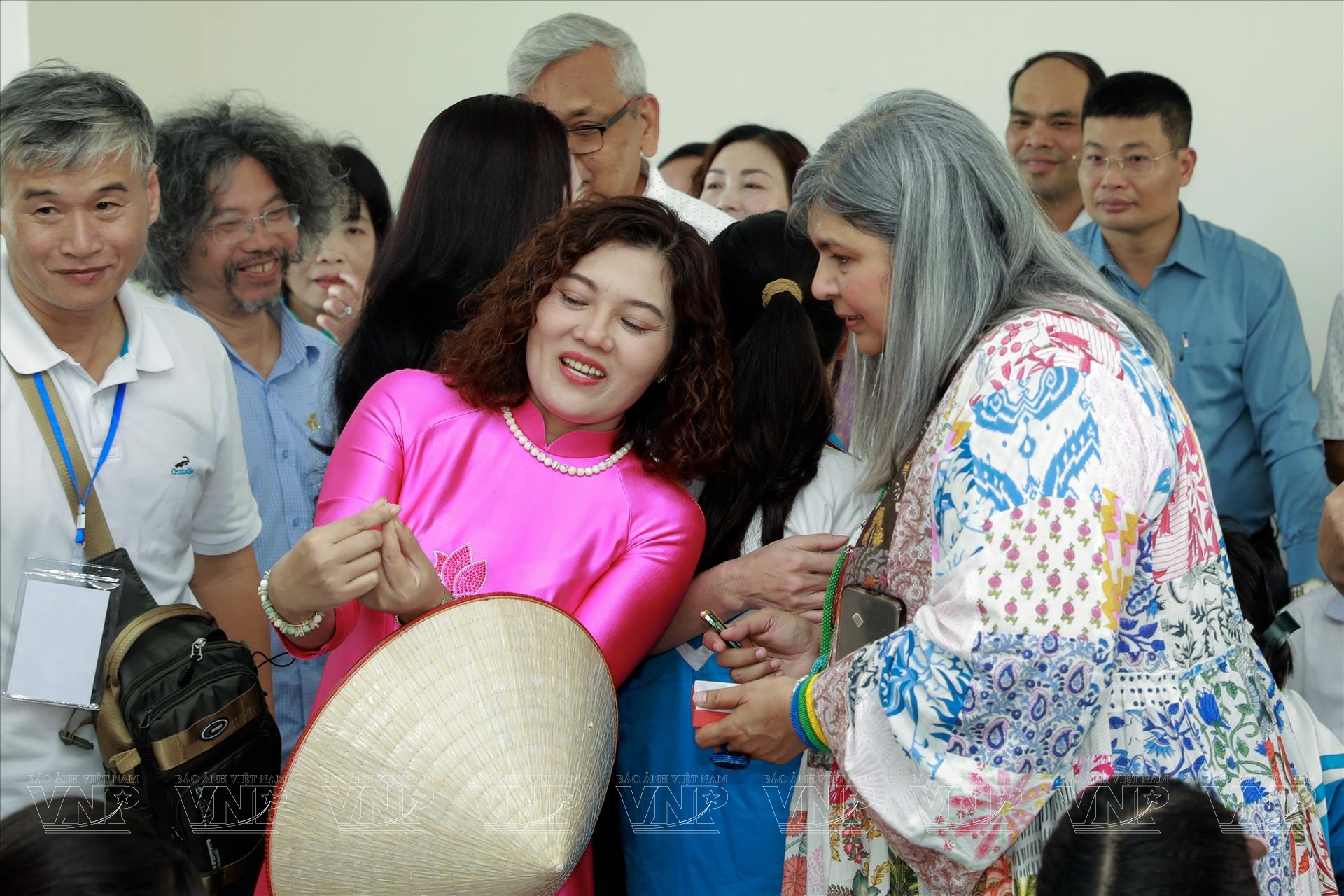
Nguyen Huu Chi, Chairman of the Chuyen My People’s Committee, emphasized that the locality’s greatest strength lies in its long-established craft traditions. “Residents are proactively maintaining and expanding production, while continuously improving product quality to meet increasingly demanding market standards,” he said.
In 2025, the commune’s total industrial and handicraft value exceeded 2.4 trillion dong (roughly over 91.1 million US dollars), up nearly 10% yearon-year, an indicator of the village’s positive transformation amid deeper integration.
Being a member of the World Crafts Cities Network is not only a prestigious recognition but also a powerful catalyst for continued innovation and growth. From a craft village, Chuyen My is steadily asserting its place on the global creative map, contributing to sustainably spreading Vietnam’s cultural values in a new era.
By Viet Cuong/VNP