Cau Ngu Festival - A Seafaring Epic
More than praying for calm seas, the Cau Ngu (Whale Worshiping) Festival shows the close connection between seafarers and the sea. The tradition preserves the memory, spirit and strength of Vietnamese fishermen.
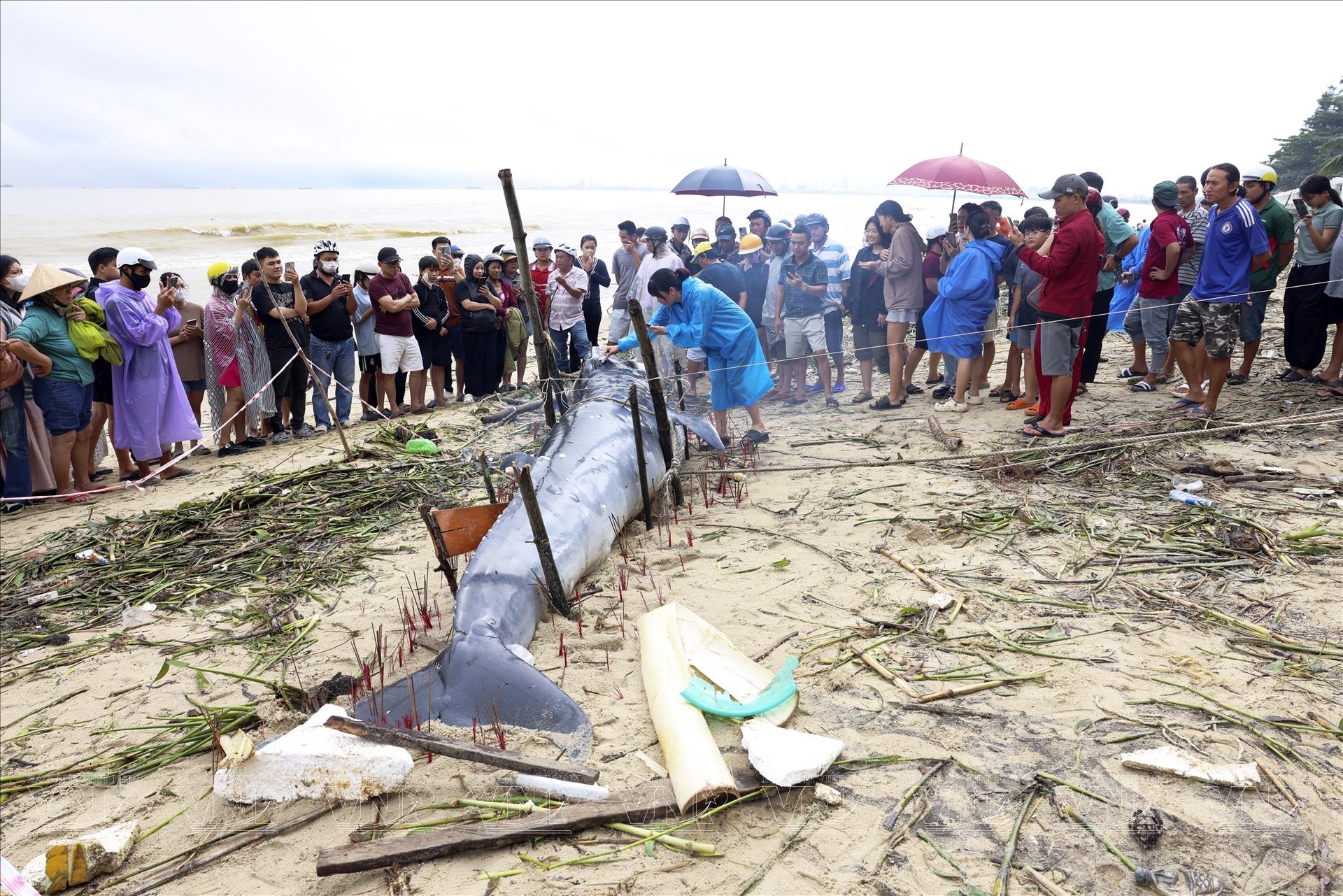
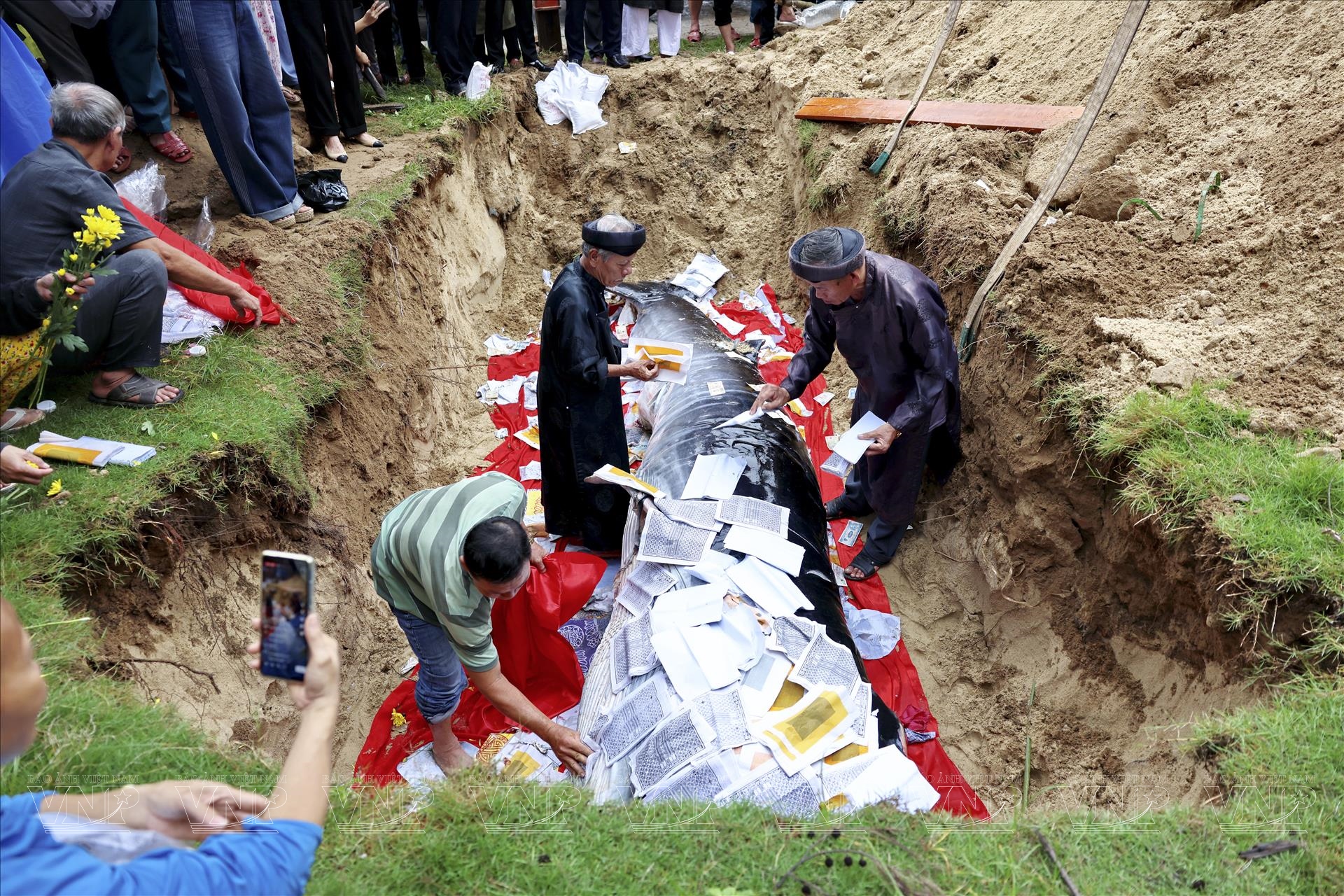
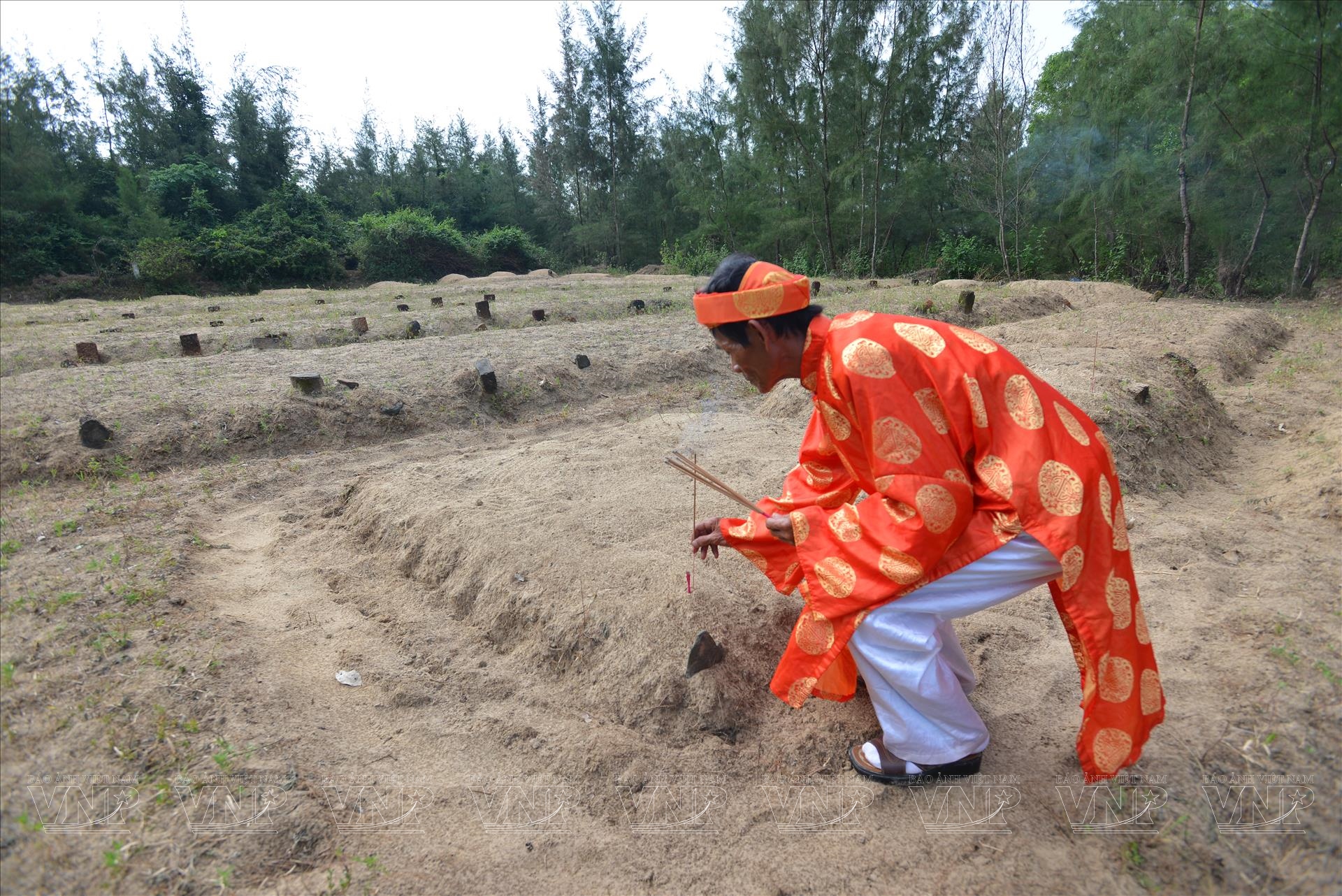
Vietnam’s 3,260-km coastline has shaped original sea traditions one of which is the practice in central and southern coastal regions to worship Ca Ong (the Whale God) as their sea guardian.
Fishermen believe whales save boats in distress. When a whale dies, it will be buried respectfully in a tomb, or have its bones worshipped in a shrine to tribute fishermen’s ocean savior.
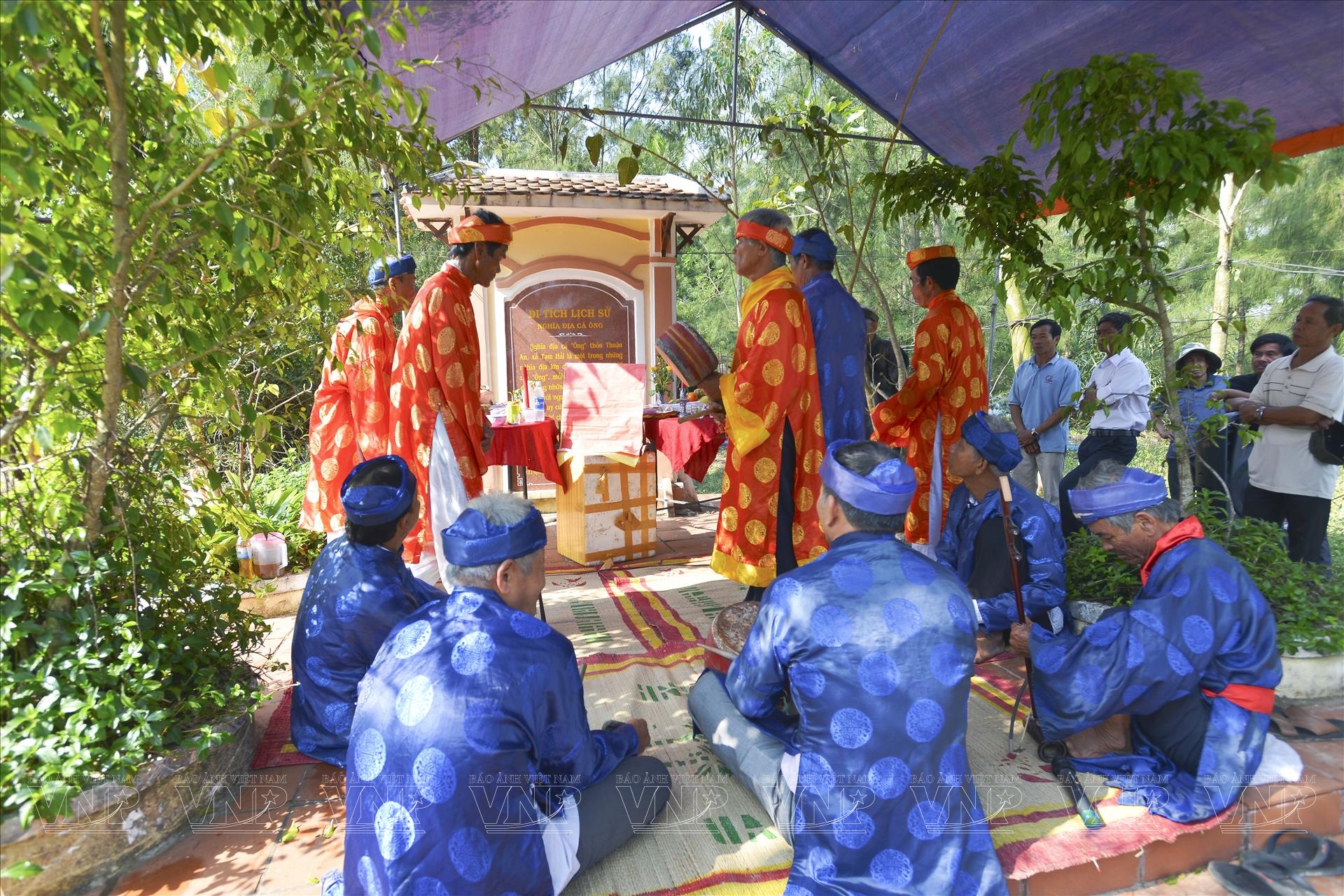
Today, whale cemeteries, shrines and temples are seen along the central and southern coast, some holding hundreds of tombs. Prominent sites include Tam Hai Island in Da Nang and Phuoc Hai fishing village in Ba Ria - Vung Tau (now Ho Chi Minh City) where the unique culture and belief of Vietnamese fishermen is preserved.
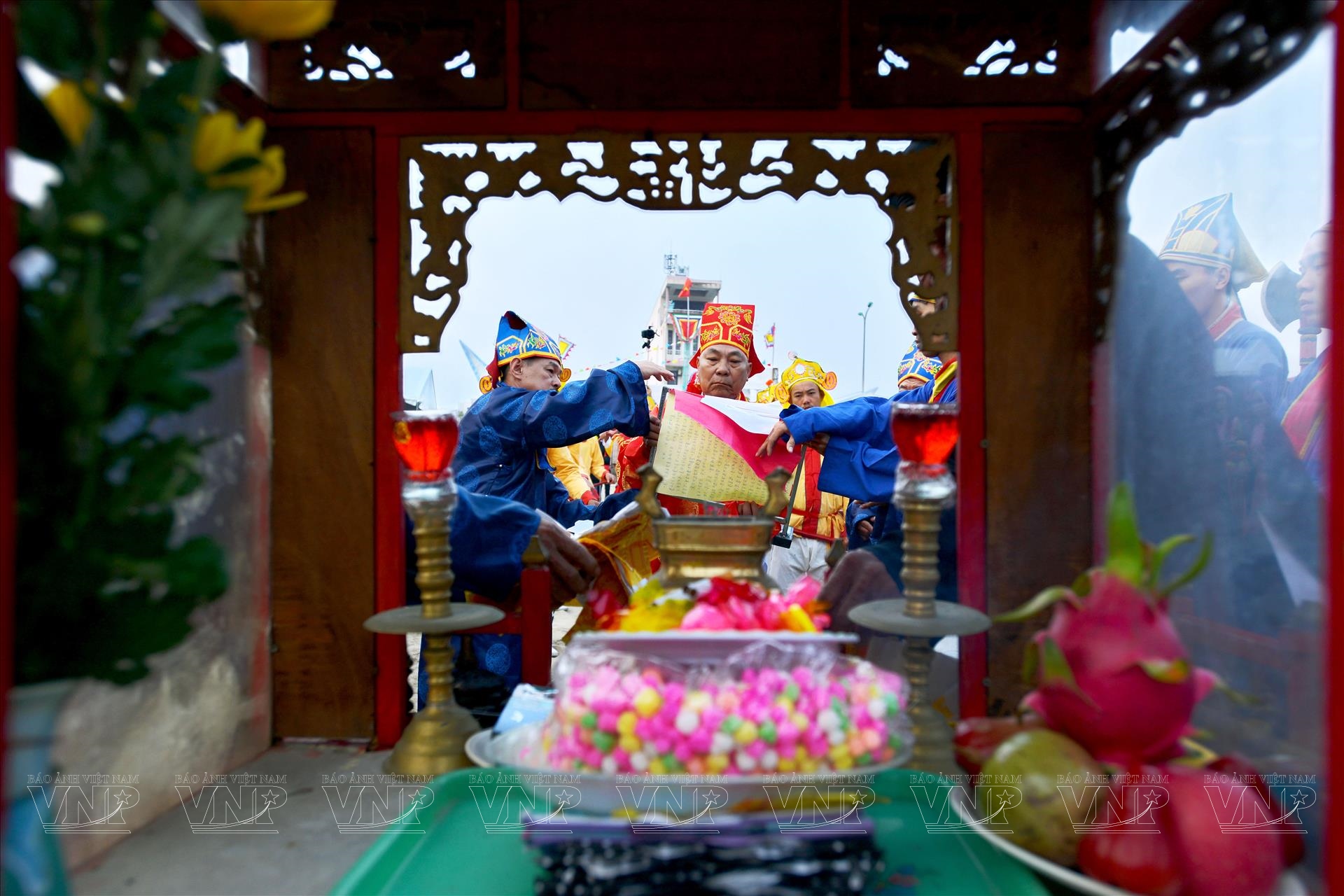
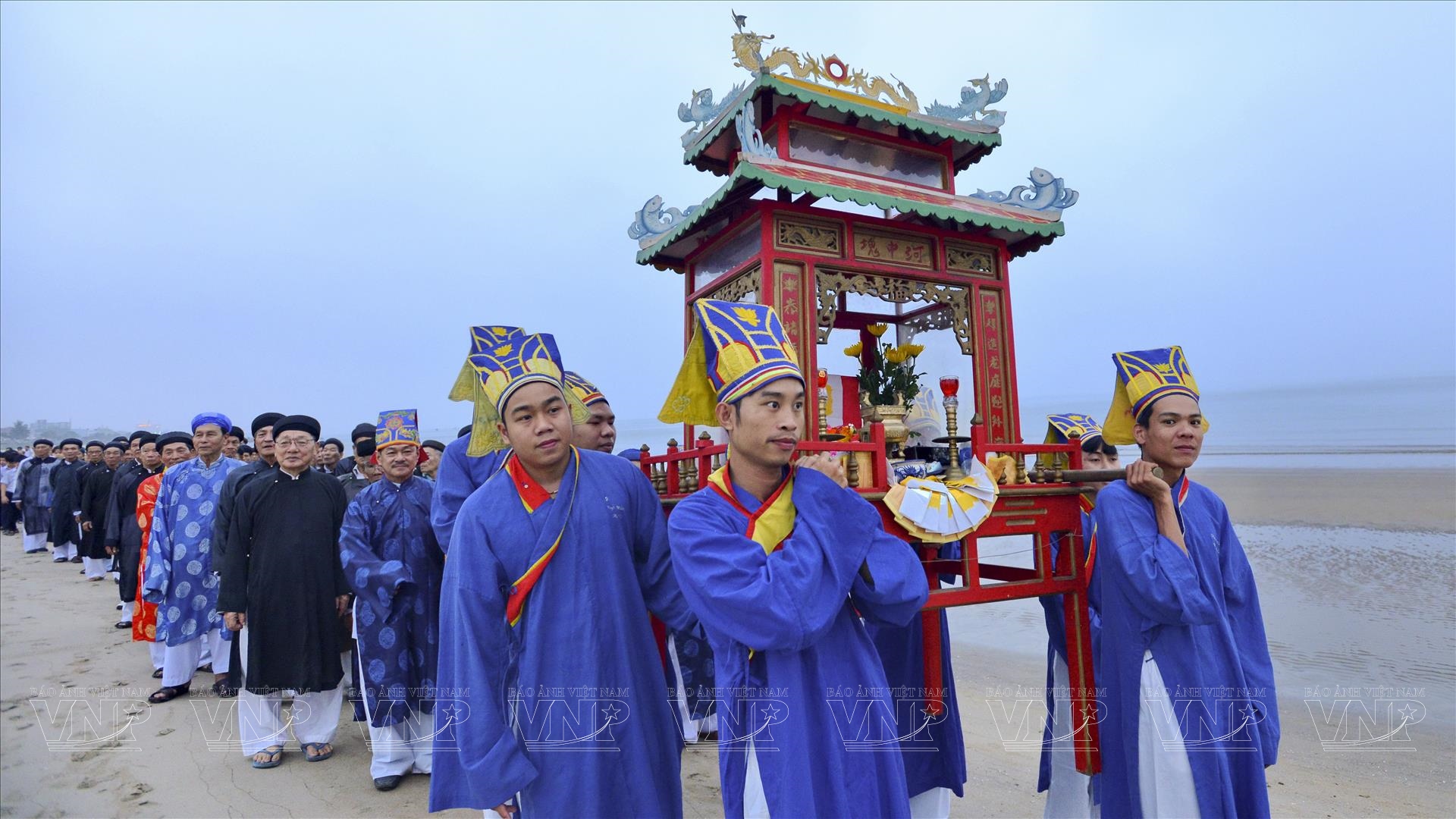
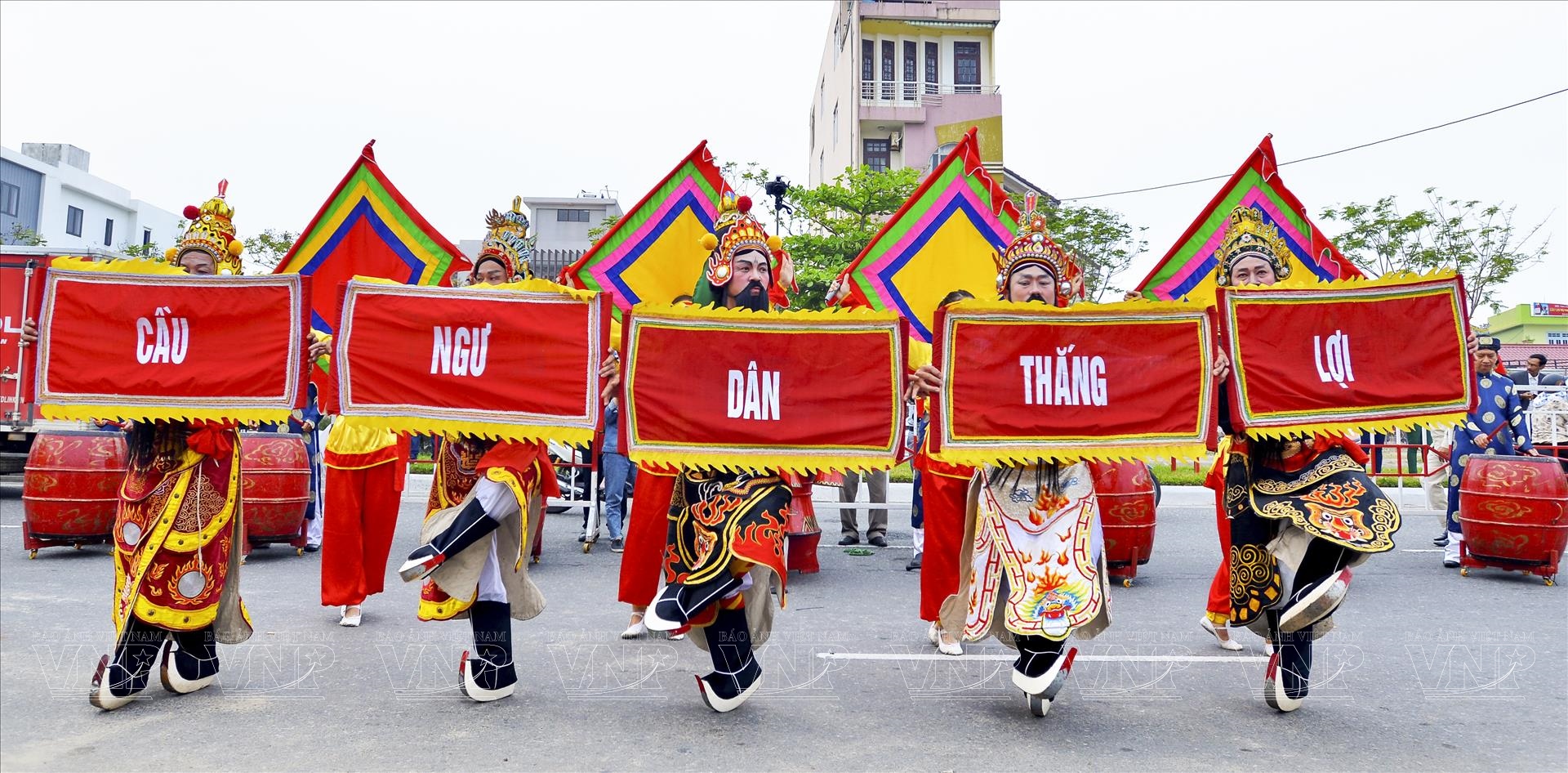
From the Ca Ong worship practice, Cau Ngu has become a yearly festival of fishing communities. Even though the practice may vary from one place to another, it all aims to honor the Whale God and his protection of seafarers, and pray for peace, good weather, safe sailing and bountiful catches.
The Cau Ngu Festival is held in spring during the first and second lunar months. It is comprised of solemn rites to welcome the Whale God and offer incense in Ca Ong shrines, followed by festive activities, including ba trao folk singing, tuong (classical opera) performances and boat races, to strengthen the unity of fishing communities.
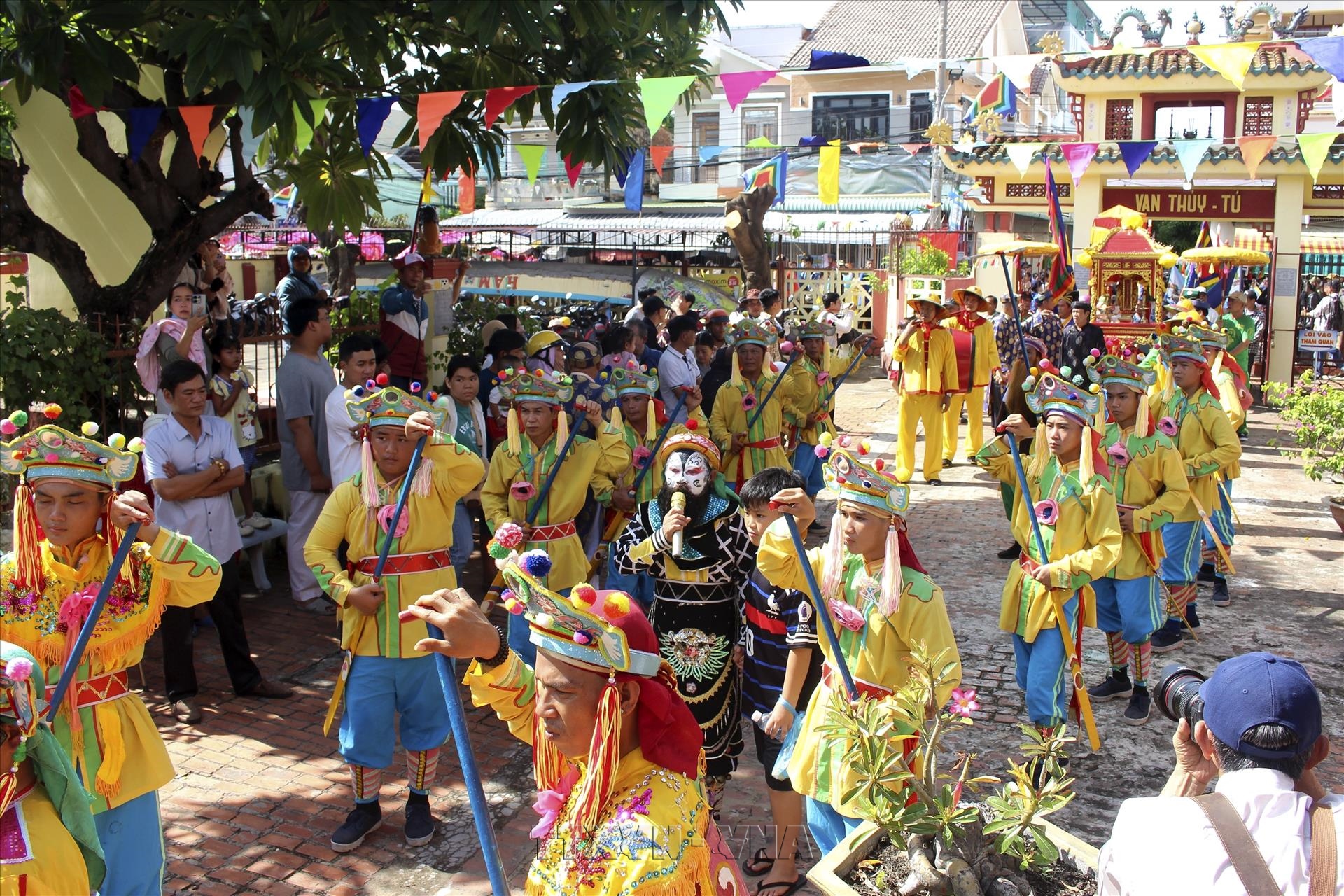
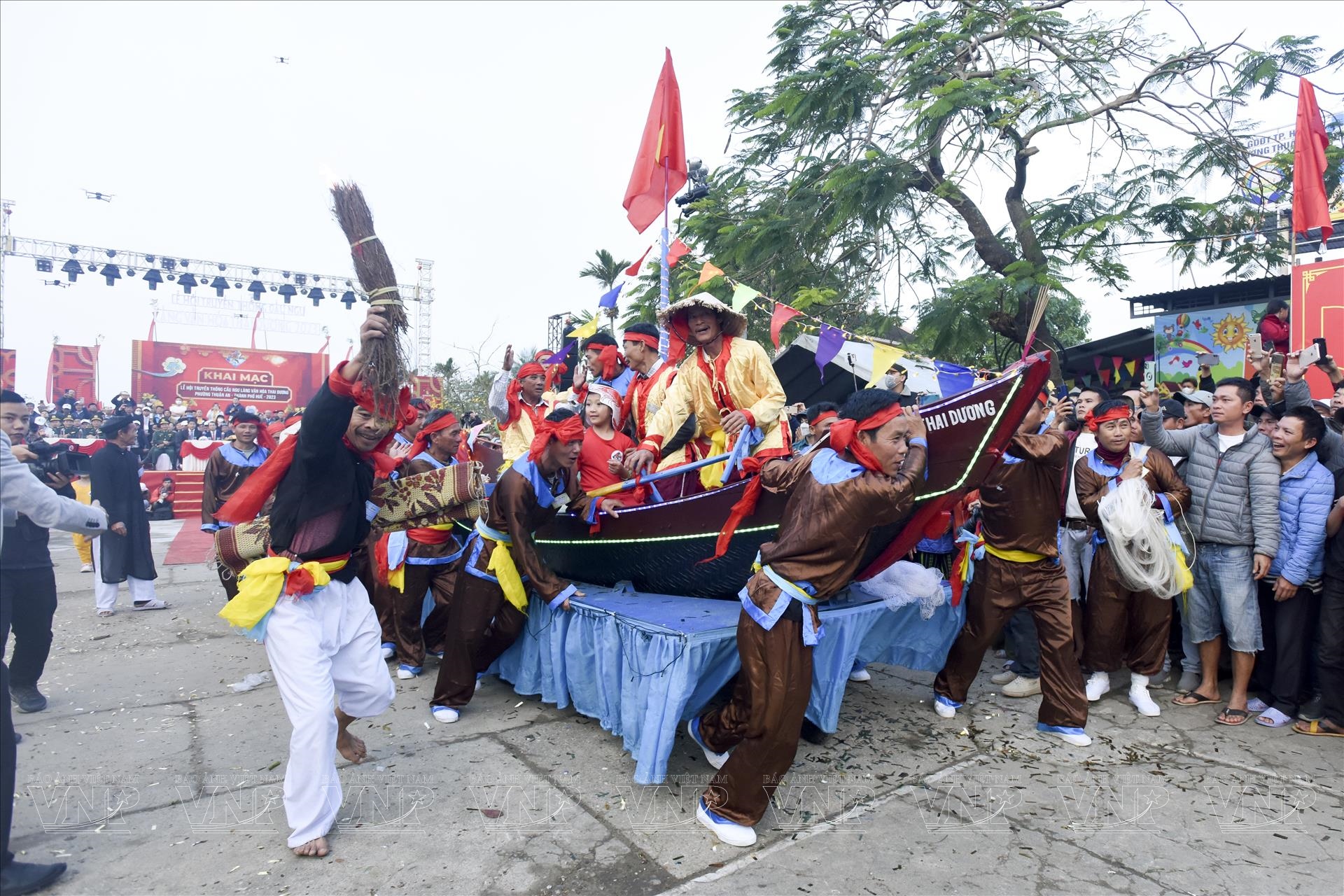
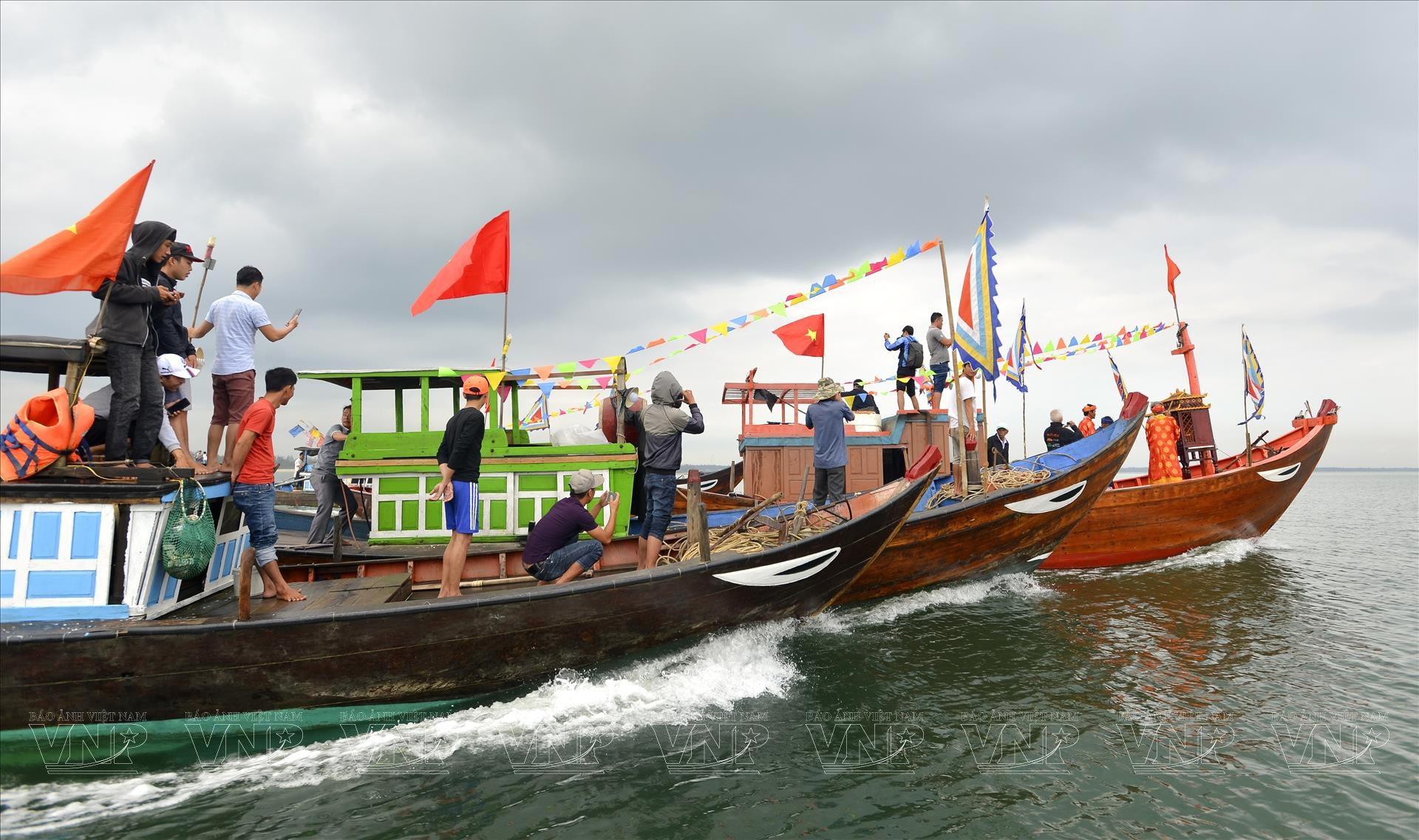
For coastal people, the sea is not merely a source of income but a sacred world in which the Cau Ngu Festival is a bridge connecting humans with nature and their daily life with their spiritual life. Behind the worship of the Whale God is a respect for nature, reminding one to protect the marine life sustainably.
Recognized as a national intangible cultural heritage, Cau Ngu remains spiritually vital to coastal communities, showing the charm of Viet nam’s marine culture./.
- Story: Thanh Hoa Photos: Thanh Hoa/VNP & VNA