Building Viet Nam into a Strong Maritime Nation
Resolution No. 20-NQ/TW marks a pivotal shift in Viet nam’s maritime strategy from using resources and developing the marine economy to building the country into a strong maritime nation.
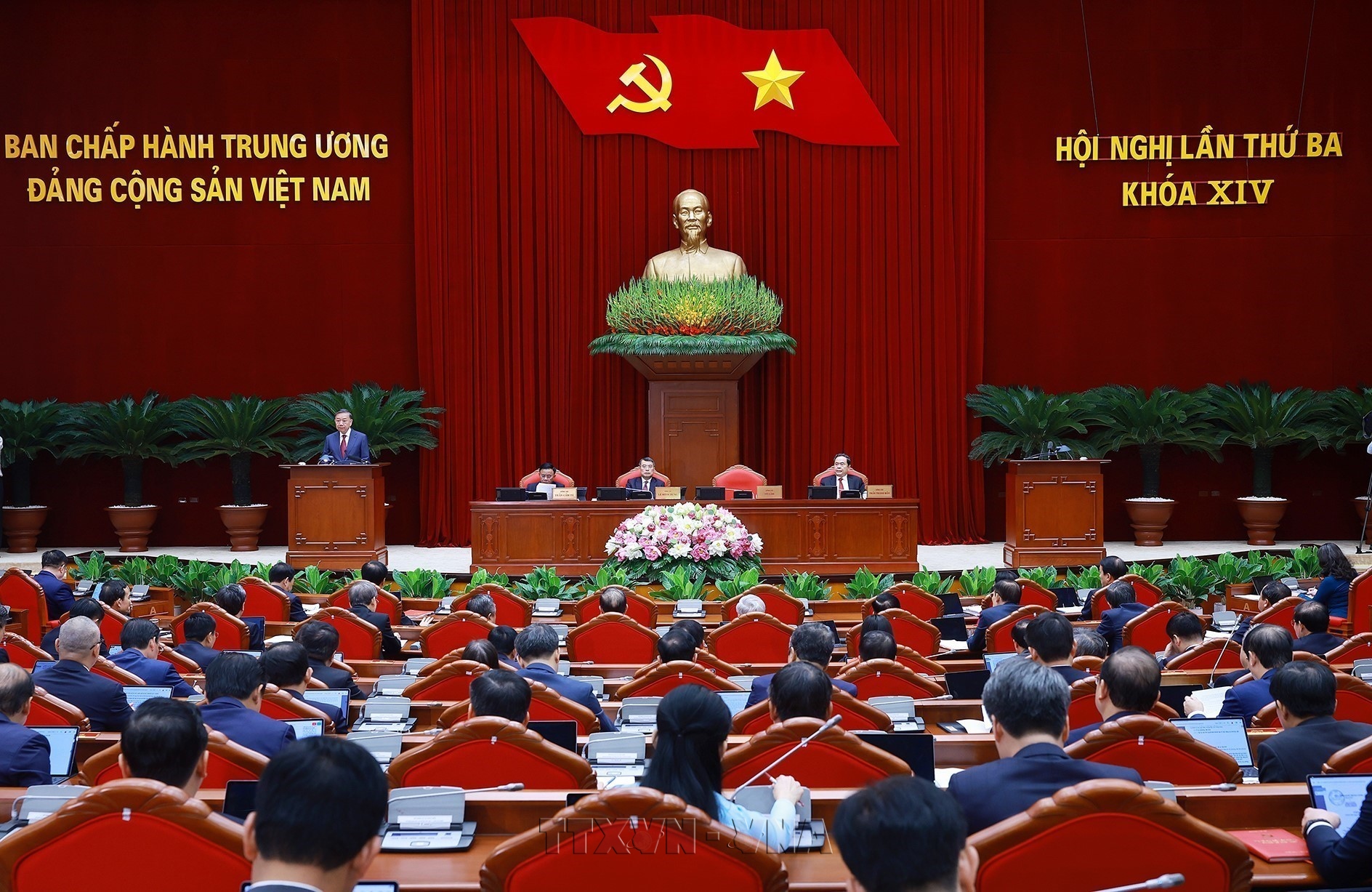
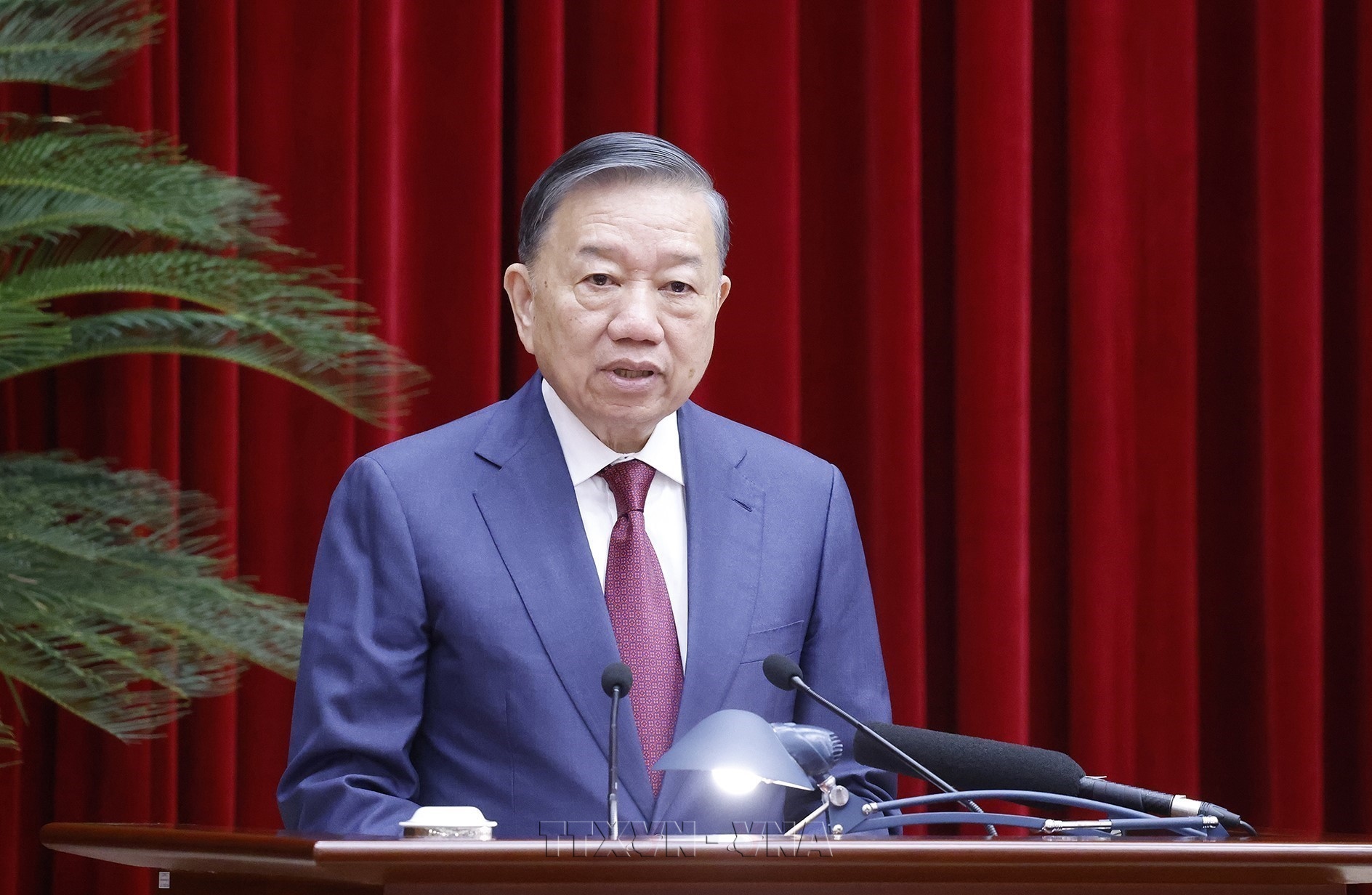
A highlight of the resolution, adopted at the third plenum of the 14th Party Central Committee on July 28, is a major change in the development mindset: transitioning from resource extraction to modern ocean governance and from marine economic development to national maritime strength. Accordingly, the sea is not only a resource, but a space to form new growth poles, industries and drivers for growth, while being a vital pillar in national construction and defense.
This new mindset requires building a modern and unified sea governance based on shared data and national marine spatial planning. Sea governance now covers the seabed, subsoil, islands, coastal areas and overlying airspace.
It also strengthens integration between mainland and maritime regions, as well as among economic growth, national security and environmental protection.
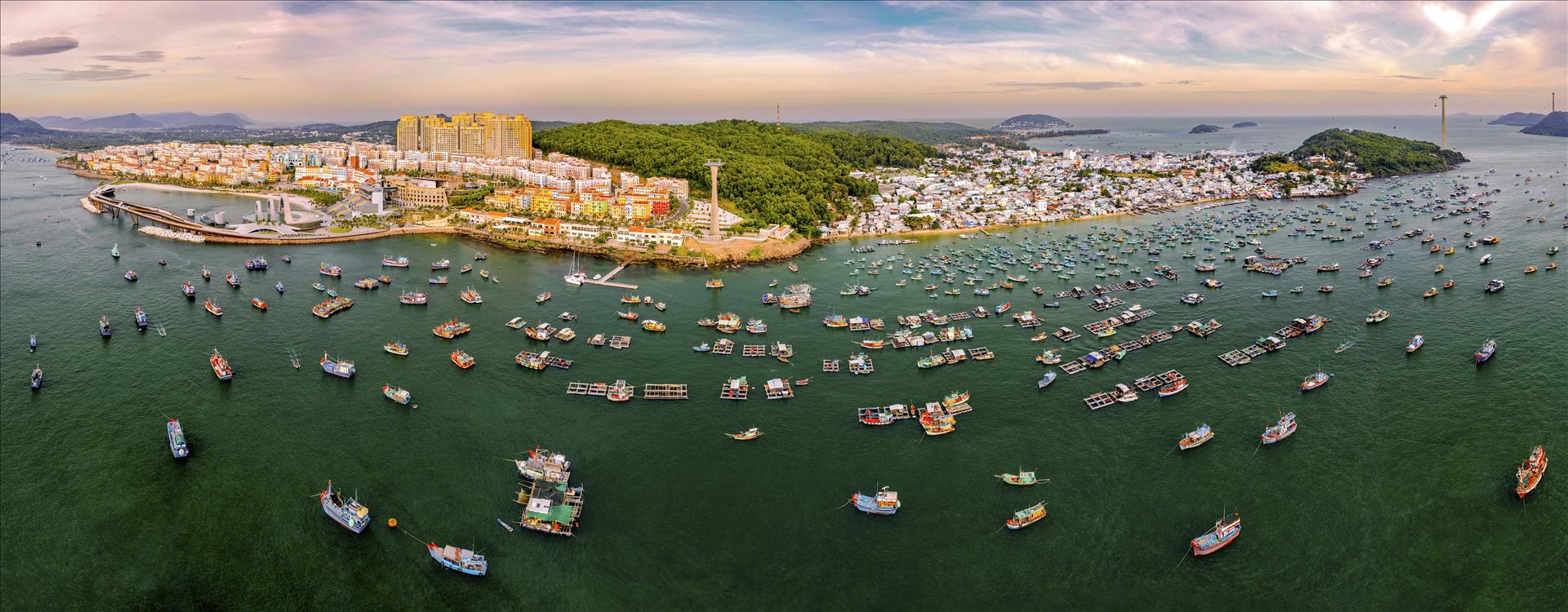
The resolution identifies institutional improvement for developing a strong maritime nation and modern ocean governance as strategic breakthroughs. Together with reforming national marine spatial planning, Viet nam aims to leverage its maritime advantages to establish growth poles, economic hubs, maritime corridors and new development spaces.
This shift extends to how marine resources are harnessed. Rather than merely exploiting resources, sea development will rely on science, technology, innovation, digital transformation and highly qualified human resources. Viet nam also aims to build robust marine enterprises and achieve breakthroughs in developing advanced, green, smart and new marine industries while expanding the infrastructure, national development spaces and forming national and regional marine economic hubs.
A central theme of the resolution is that maritime development must go hand in hand with environmental protection and ecosystem conservation. Marine resource utilization must remain within the ecological limits while proactively adapting to climate change, building resilience and mitigating natural disasters.
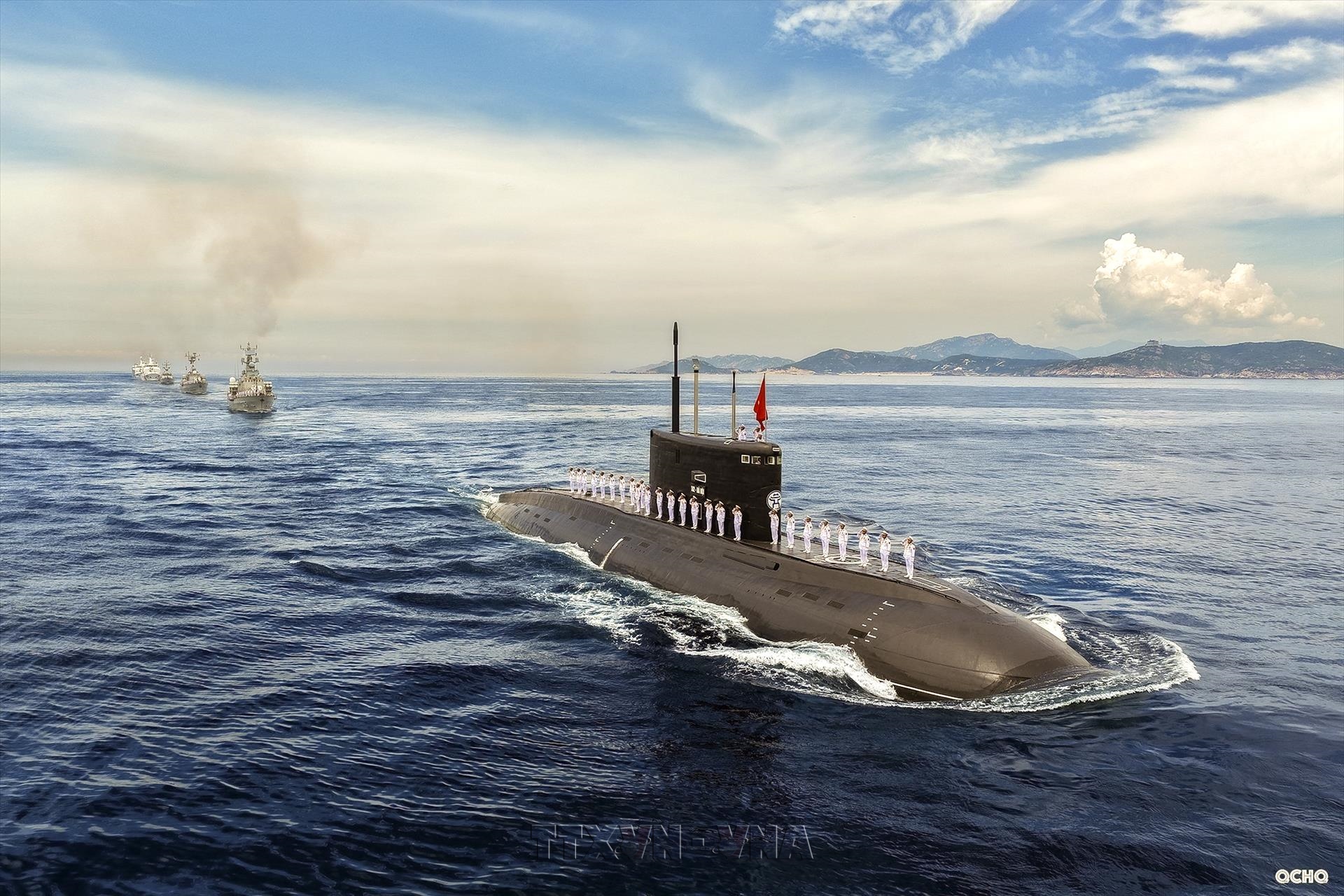
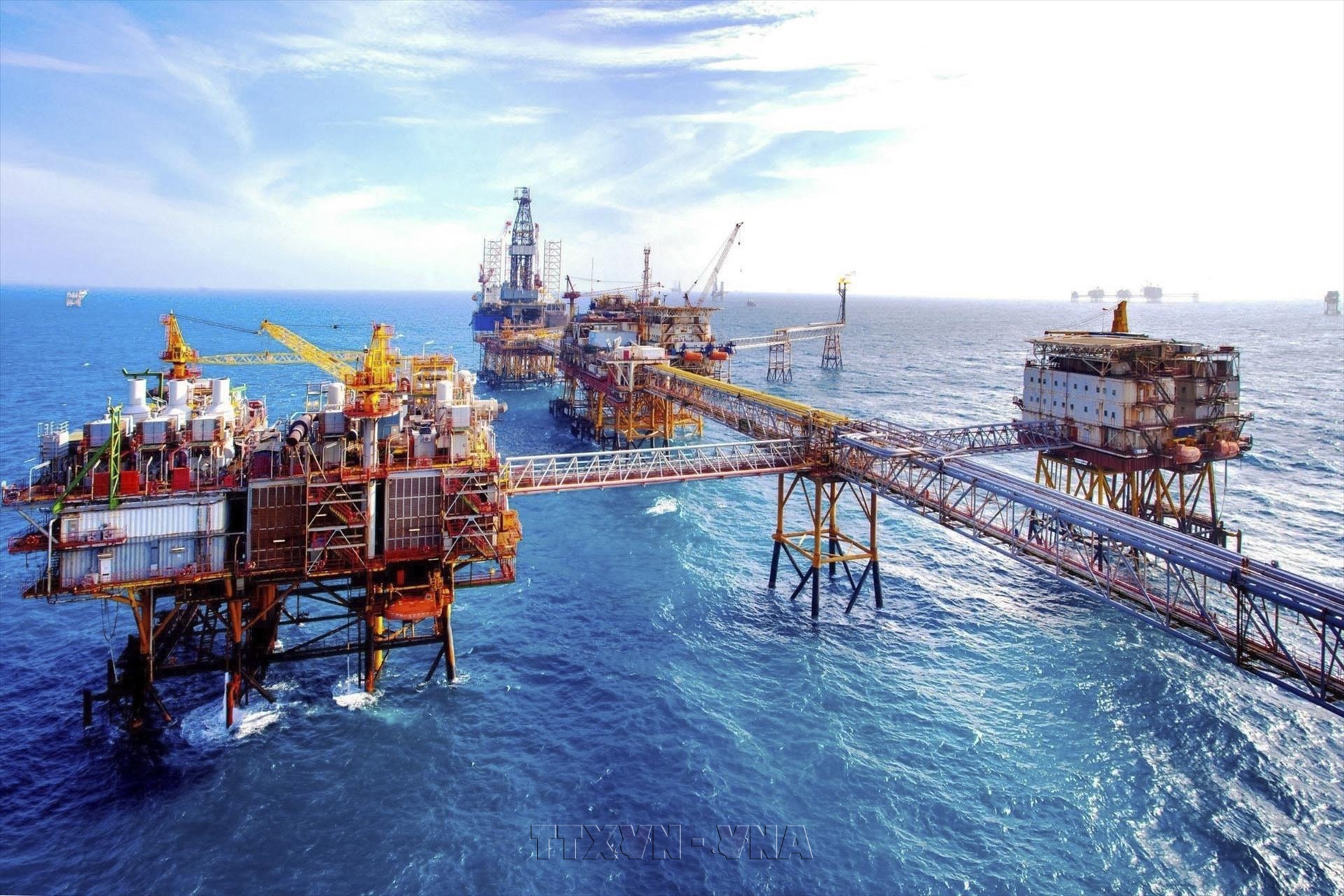
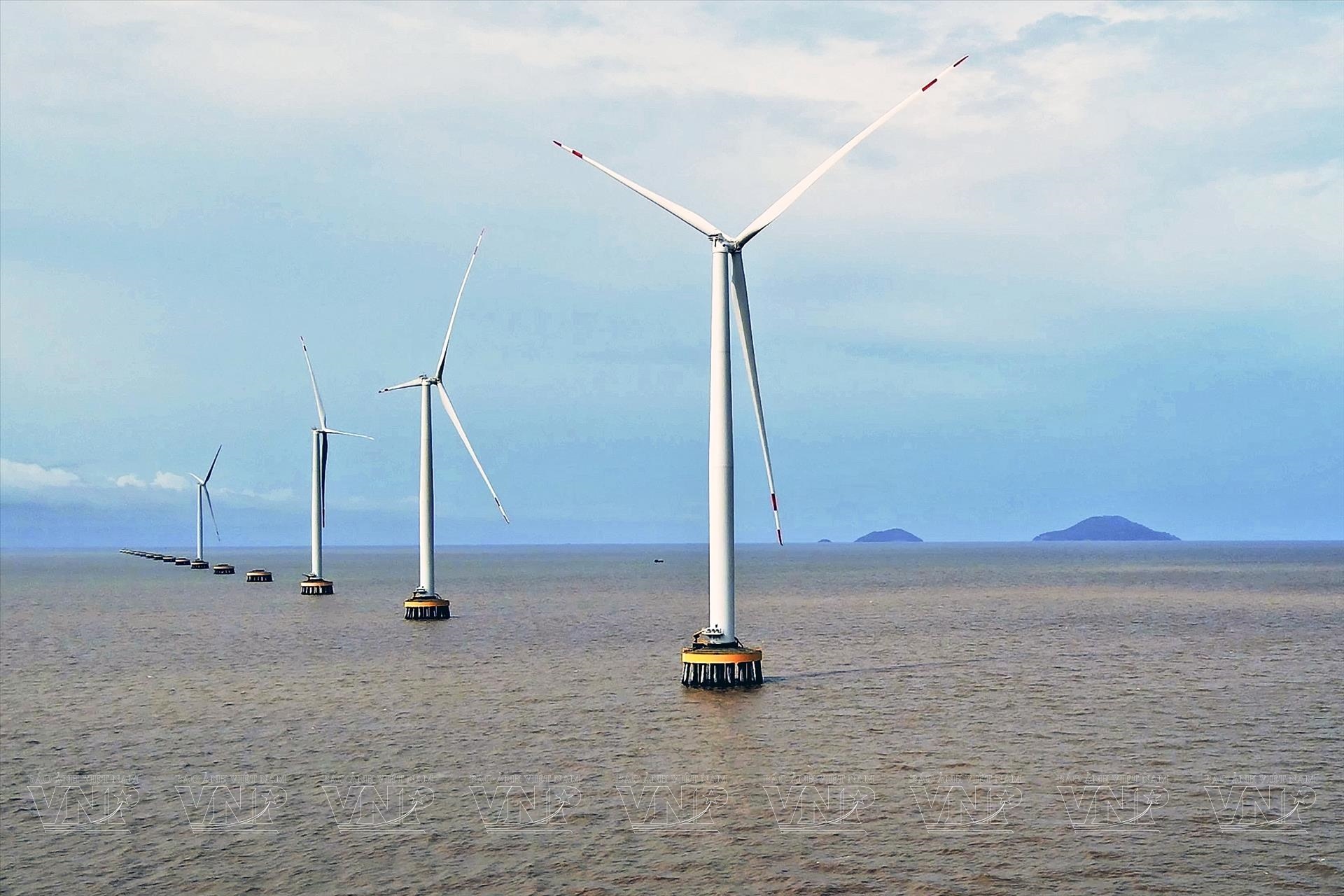
Furthermore, the resolution aligns marine economic growth closely with national defense and security. Safeguarding sea and island sovereignty is incorporated with economic development, environmental protection and international integration to maintain a peaceful, stable environment for development.
This strategic direction elevates the role of coastal communities. Cultivating a sea culture, improving livelihoods and empowering coastal and island populations are seen as part of building and defending the nation. Building a strong maritime nation is therefore not the sole responsibility of functional agencies or marine industries, but a strategic task of the entire Party, people, military and political system, as well as an obligation, responsibility and right of every business and citizen.
The resolution sets goals to 2030 with a vision toward 2045, outlining six groups of targets for the 2026-2030 period, namely economy; spatial and infrastructure development; science, technology, innovation and digital transformation; marine spatial governance, environmental protection and sustainable development; culture and society; and defense, security and foreign affairs.

To realize these goals, nine groups of major tasks and solutions have been outlined, focusing on strengthening Party leadership, renewing thinking and raising awareness about building a strong maritime nation, increasing effectiveness and efficiency of national marine governance; improving legal frameworks and renewing national planning of marine space, creating breakthroughs in developing a strong maritime nation; mobilizing and utilizing resources efficiently while developing strong marine groups and corporations; advancing science, technology and human resources; developing advanced, green, smart and new marine industries; building a synchronized marine infrastructure, expanding national development space, forming national and regional marine economic hubs; conserving marine environment and ecosystems; proactively adapting to climate change; building resilience of coastal and island communities.
Shifting from "strength and wealth from the sea" to a "strong maritime nation" represents a fundamental leap in the development mindset. The sea is seen not only a resource to be extracted, but a strategic space to be governed, protected and sustainably developed. Through this approach, Viet nam aims to build a comprehensive maritime power, combining economic growth, science and technology, environmental protection, national defense and security, and foreign relations to make the sea a cornerstone of national synergy./.
Story: Long Nguyen
Photos: Thanh hoa, Le Minh/VNP, Truong Phu Quoc & VNA