APEC 2027: Opportunity for Viet Nam to Showcase its Development in Era of Nation’s Rise

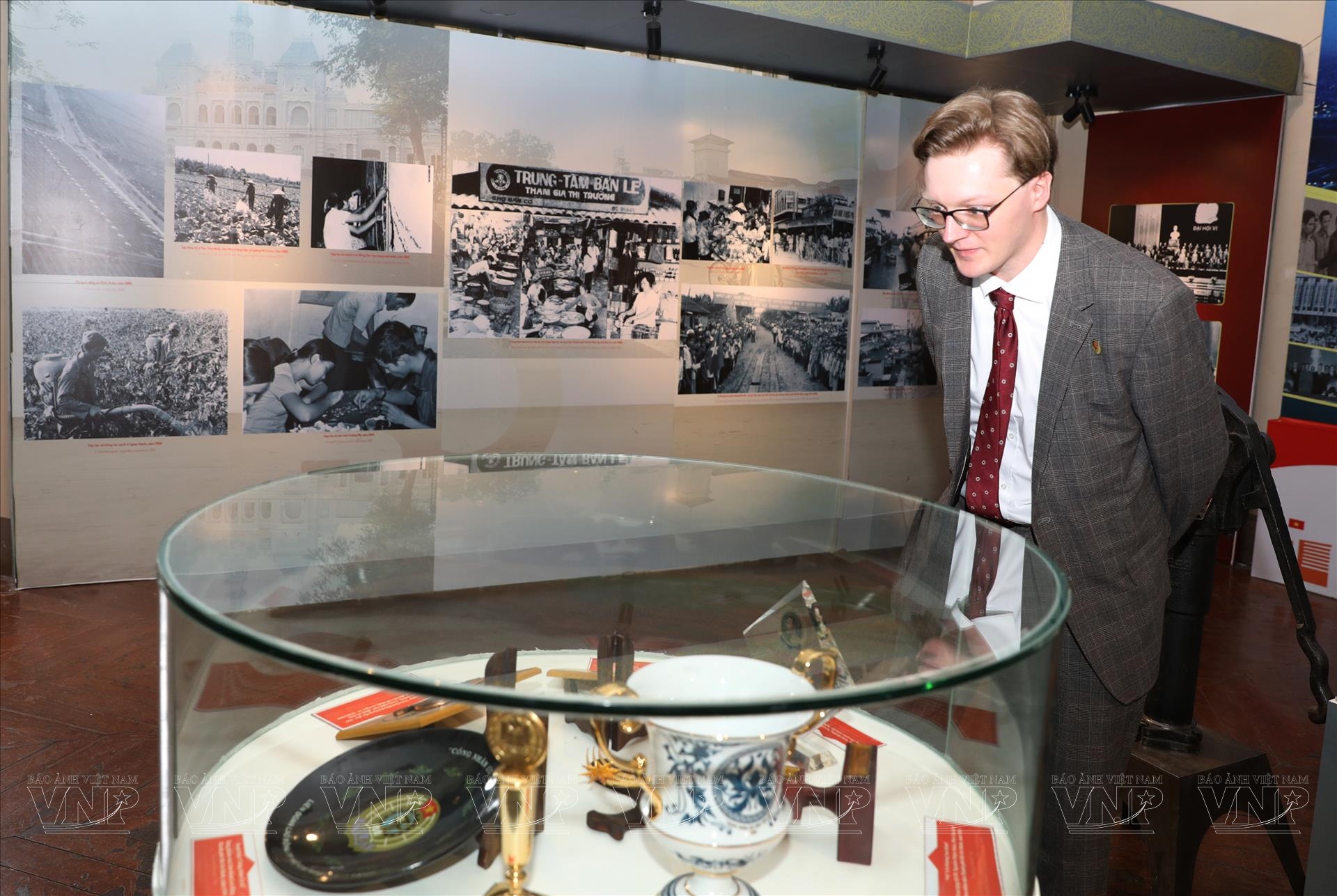
Viet Nam’s hosting of APEC 2027 is a diplomatic milestone that highlights the country’s international standing in the “Era of Nation’s Rise”. British researcher of Vietnamese history and culture, Kyril Whittaker, speaks with Viet Nam Pictorial about the significance of the event, the constructive role of Viet Nam in regional and global affairs, its “bamboo” diplomacy and the outlook of Phu Quoc as a premier global destination.
VNP: What is the significance of Viet Nam’s hosting of APEC 2027 and how will this create opportunities for ASEAN to strengthen its central role and shape the security and economic structure of the Indo-Pacific?
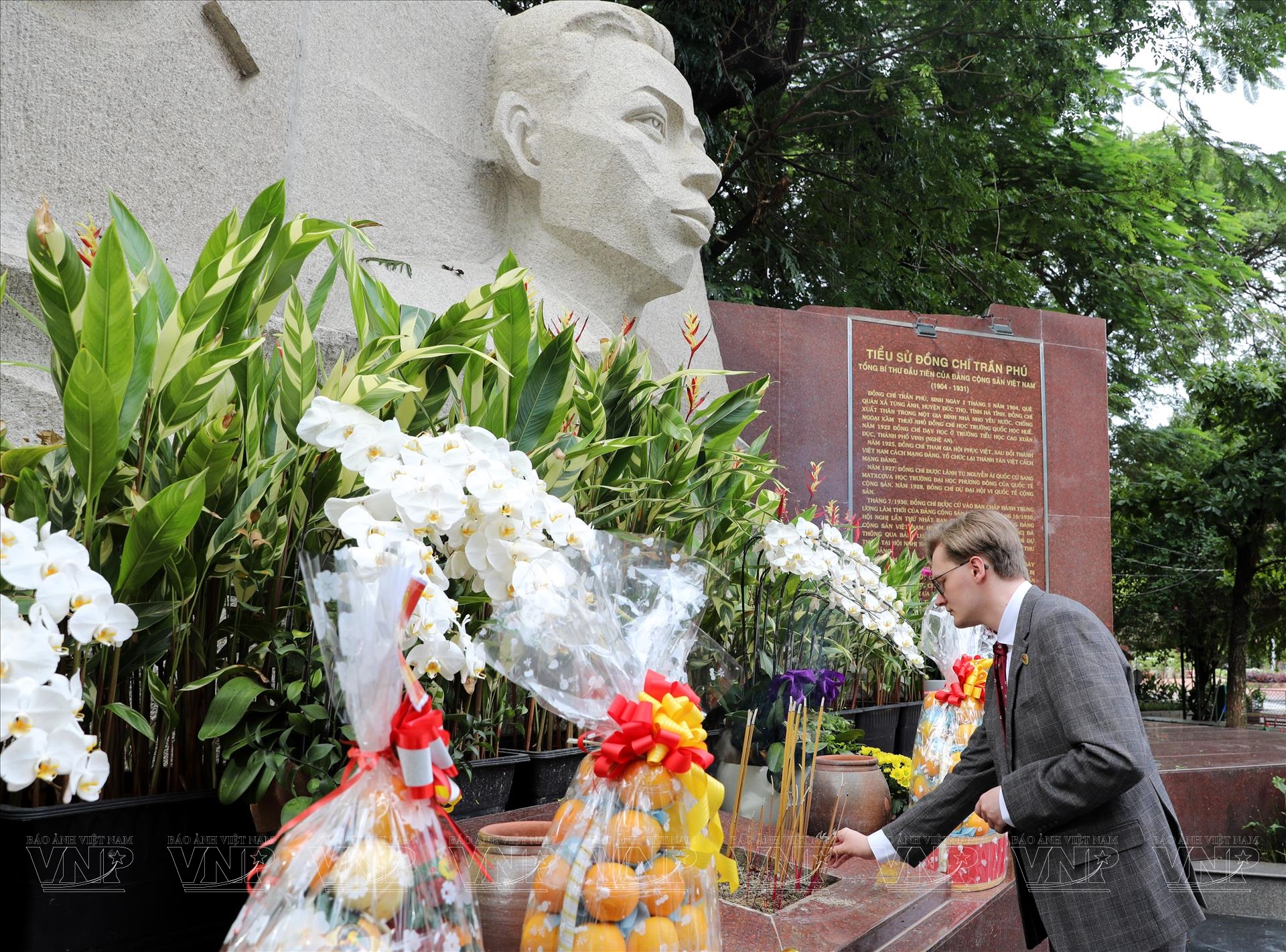
Kyril Whittaker is a British scholar and a member of the Communist Party of Britain.
He has done researches into Vietnamese politics, history, economy and culture as well as the life and career of Vietnamese leaders such as President Ho Chi Minh and Party General Secretary Le Duan, and revolutionary women like Nguyen Thi Binh and Nguyen Thi Dinh.
He has won a National Award for External Information Service.
Kyril Whittaker: APEC 2027 is a highly important international forum for dialogue and the expansion of economic relationships between different countries. On the international stage Viet Nam has already made significant contributions to previous APEC summits. Viet Nam’s hosting of APEC 2027 will allow other countries representatives and potential investors to further see the potential of Vietnamese markets and will help to establish new partnerships both within Viet Nam itself and more widely for the region.
In the current “Era of the Nation’s Rise” whereby large-scale infrastructure projects are being undertaken at a rapid pace and with international investment and cooperation, this provides ample evidence to potential economic partners who come to the APEC summit to not only witness Viet Nam’s economic potential, but to also develop new win-win partnerships from which more international cooperation on projects may spring. Currently, Viet Nam is participating for example in its nuclear power project with the assistance of Russia and Rosatom, developing the national energy capacity and further boosting its move towards cleaner and more renewable energy in line with the goals of the 14th Congress.
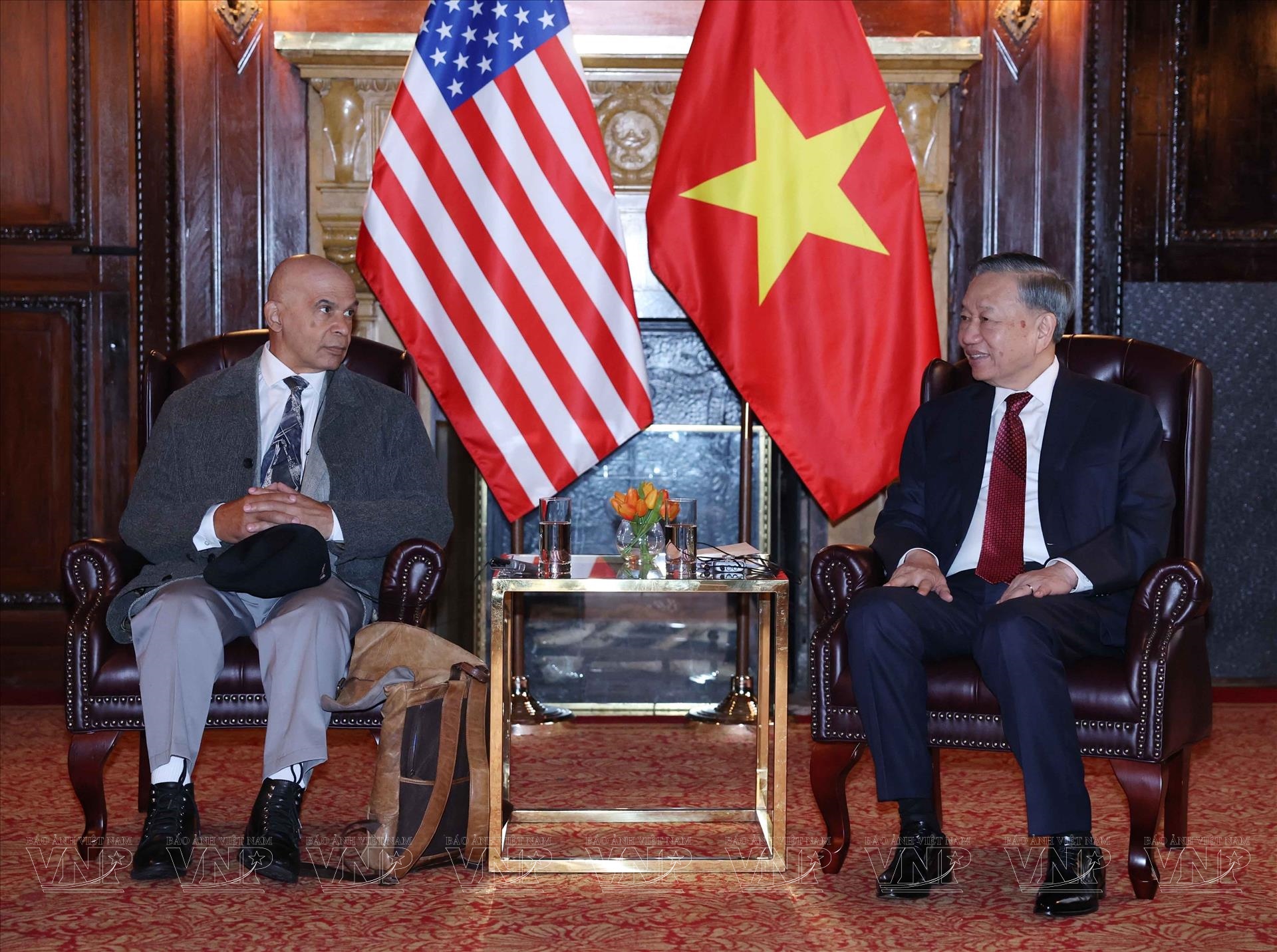
Other international forums recently have also evidenced the great potential which exists economically for the cooperation between Viet Nam and other nations to increase. For example, at the latest meeting of the U.N. General Assembly, General Secretary To Lam met with prominent American business leaders from corporations such as Apple and Boeing to discuss further cooperation and improve economic partnerships. Meanwhile traditional partnerships on the international stage are being further strengthened such as that between Viet Nam and Cuba in the areas of agriculture and renewable energy, and between the Communist Party of Vietnamese and other communist parties evidenced by the meeting between General Secretary To Lam and the General Secretary of the CPUSA Joe Simms this year.
ASEAN as a multilateral organization represents countries which are seen to be expanding greatly on the international stage and ASEAN itself has expanded to include the membership of Timor-Leste. Viet Nam’s consistent engagement in international organizations and its active and expansive foreign diplomacy will mean that Viet Nam is uniquely positioned at APEC 2027 to facilitate dialogue between nations, and will help nations not only work together on traditional security and economic risks, but also, identify and work towards solving non-traditional security risks, such as climate change.
VNP: From its hosting of APEC 2017 in Da Nang , Viet Nam’s economic standing has changed significantly. In your view, how will APEC 2027 serve as a platform for Viet Nam to shift from a mere “player” to a “rule-maker” or a leader of new initiatives in digital economy, sustainable supply chains and just energy transition?
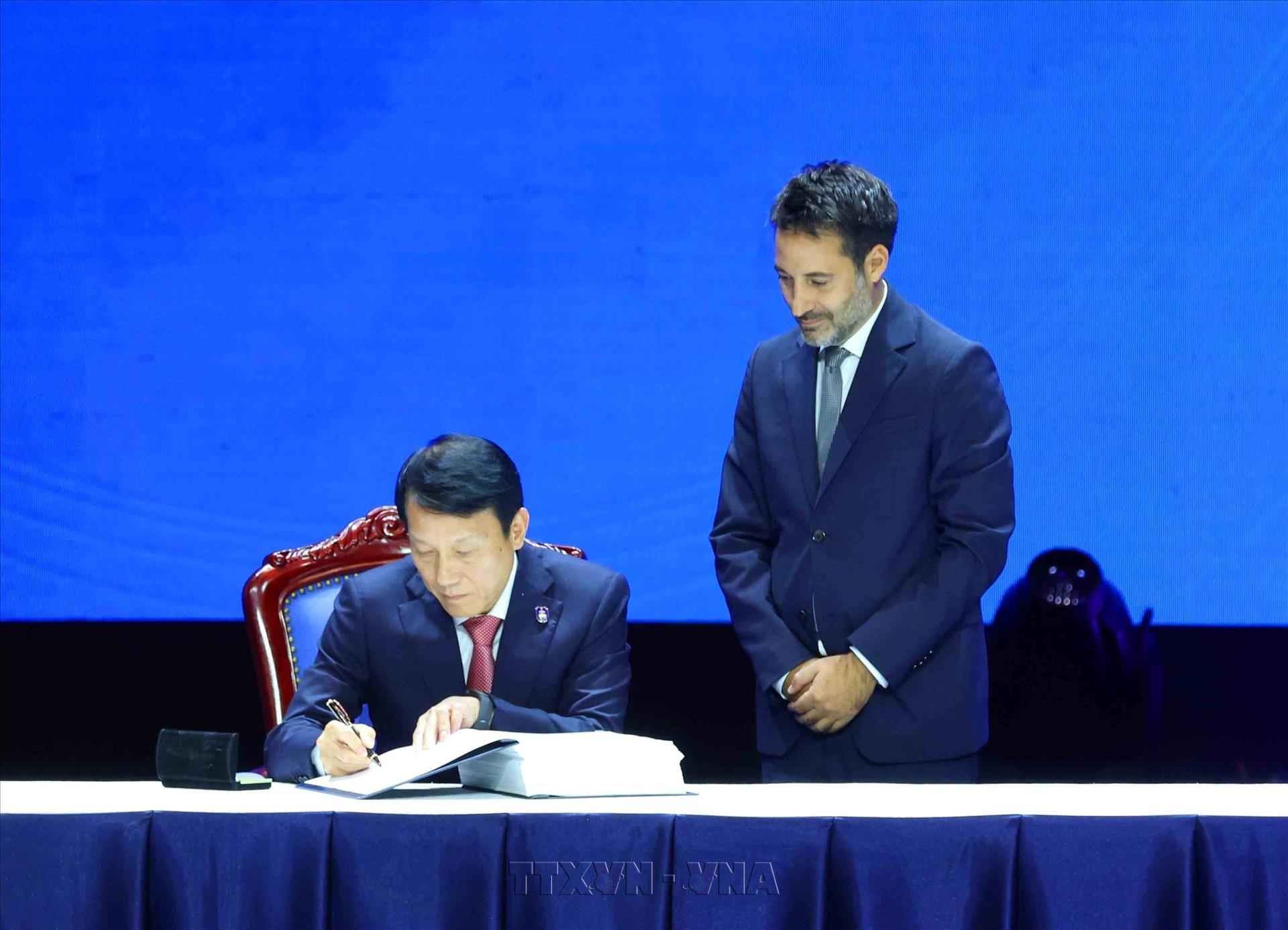
Kyril Whittaker: Viet Nam is shifting more towards active contribution in multiple international forums. A good recent example of this was Hanoi’s recent hosting of the signing ceremony of the UN Convention against Cybercrime, or the active deployment of 14,000 Vietnamese UN specialists to South Sudan and other regions for peacekeeping missions.
Viet Nam has always had a dual role on the international stage, historically even when the country was most in need of aid, it still helped and assisted other countries in their reconstruction and struggles. In particular this can be seen in the reconstruction period between 1975-1990 whereby Viet Nam was actively engaged in rebuilding the country from the scourge of several wars and was receiving aid from countries such as India, the Soviet Union, East Germany and the People’s Republic of Bulgaria. At the same time Viet Nam was actively assisting other developing countries in agriculture, modelling of education and healthcare and in terms of ideological assistance and help to the communist and workers movements, such as contributing to global forums on socialist development in Asia.
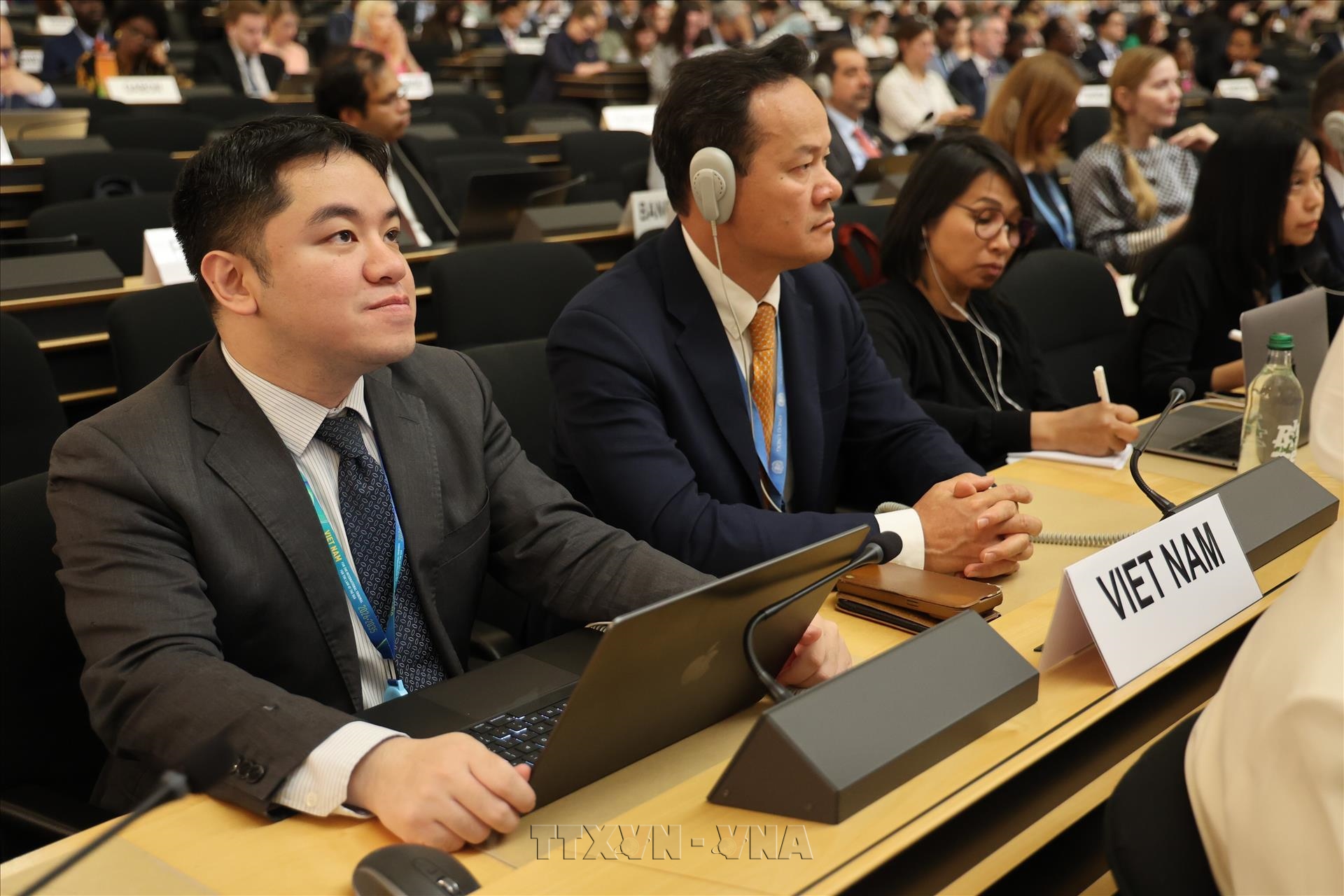
Today, after more than a decade of impressive consistent economic growth, Viet Nam continues to grow its economy significantly with targets of 10% annually. This rapid economic growth is serving as a springboard for Viet Nam to contribute more deeply to international forums and builds upon a legacy of Viet Nam’s active involvement and leadership of multiple international organizations such as its chairmanship of the UN Human Rights Council three times from 2014-2016, 2023-2025 and 2026-2028 and its chairmanship of ASEAN in 1998, 2010 and 2020. Viet Nam has also contributed its expertise to the elevation of women’s roles in peacekeeping and peacebuilding, challenging traditional patriarchal norms surrounding women and conflict through its creation and advocation of UN Resolution 1889.
When looking at Viet Nam’s economic transformation in particular, we can see that Viet Nam takes a global leading role in areas like afforestation and a leading role in the region when it comes to education, access to books and environmental protection. Therefore Viet Nam places itself already as a leader in sustainable development and builds upon a historical legacy of its models of healthcare and development. APEC 2027 will allow Viet Nam to further build upon this and showcase its commitments to sustainable development contrasting their immense efforts even against countries with far higher GDP which on several levels Viet Nam is outperforming.
APEC 2027 happening against the backdrop of large change in the country will also showcase the domestic capability of the Vietnamese state and Vietnamese businesses to create large-scale sustainable projects and to see them through to completion. Alongside the target for continued rapid growth, APEC 2027 will showcase Viet Nam’s commitments to sustainable development and its leadership role in the region while further cementing its leadership capacity on the international stage not just in the diplomatic, but also economic arena.
Vietnamese bamboo diplomacy utilizes its “strong roots, flexible stems” network put forward by former General Secretary Nguyen Phu Trong. This ensures that Viet Nam maintains essential and core principles whilst simultaneously having a flexible and adaptable outlook ensuring that the country can navigate the strong winds of international conflict and strategic competitiveness.
VNP: In the context of strategic competitiveness in the Asia-Pacific among major powers, as the host of APEC 2027, how can Viet Nam adopt its “bamboo diplomacy” to maintain its independence and autonomy while ensuring the full and constructive participation of all major member economies?
Kyril Whittaker: Vietnamese bamboo diplomacy utilizes its “strong roots, flexible stems” network put forward by former General Secretary Nguyen Phu Trong. This ensures that Viet Nam maintains essential and core principles whilst simultaneously having a flexible and adaptable outlook ensuring that the country can navigate the strong winds of international conflict and strategic competitiveness.
Viet Nam focuses on establishing relationships on a win-win basis which ensure that Vietnamese sovereignty and principles remain intact. Viet Nam has always sought to improve and further expand its relationships with other countries, but this only, where both partners are equally footed and where fundamental principles such as sovereignty, territorial integrity and non-interference are respected. APEC 2027 will showcase this well, bringing together a diverse community of different countries with differing economic and political beliefs on a shared stage.
VNP: How does Viet Nam choosing an internationally recognized destination as Phu Quoc to host APEC 2027 reflect the country’s new mindset of development? How will Phu Quoc’s hosting of the event help build multinational groups’ confidence in Viet Nam’s legal environment, infrastructure and innovation ecosystem?
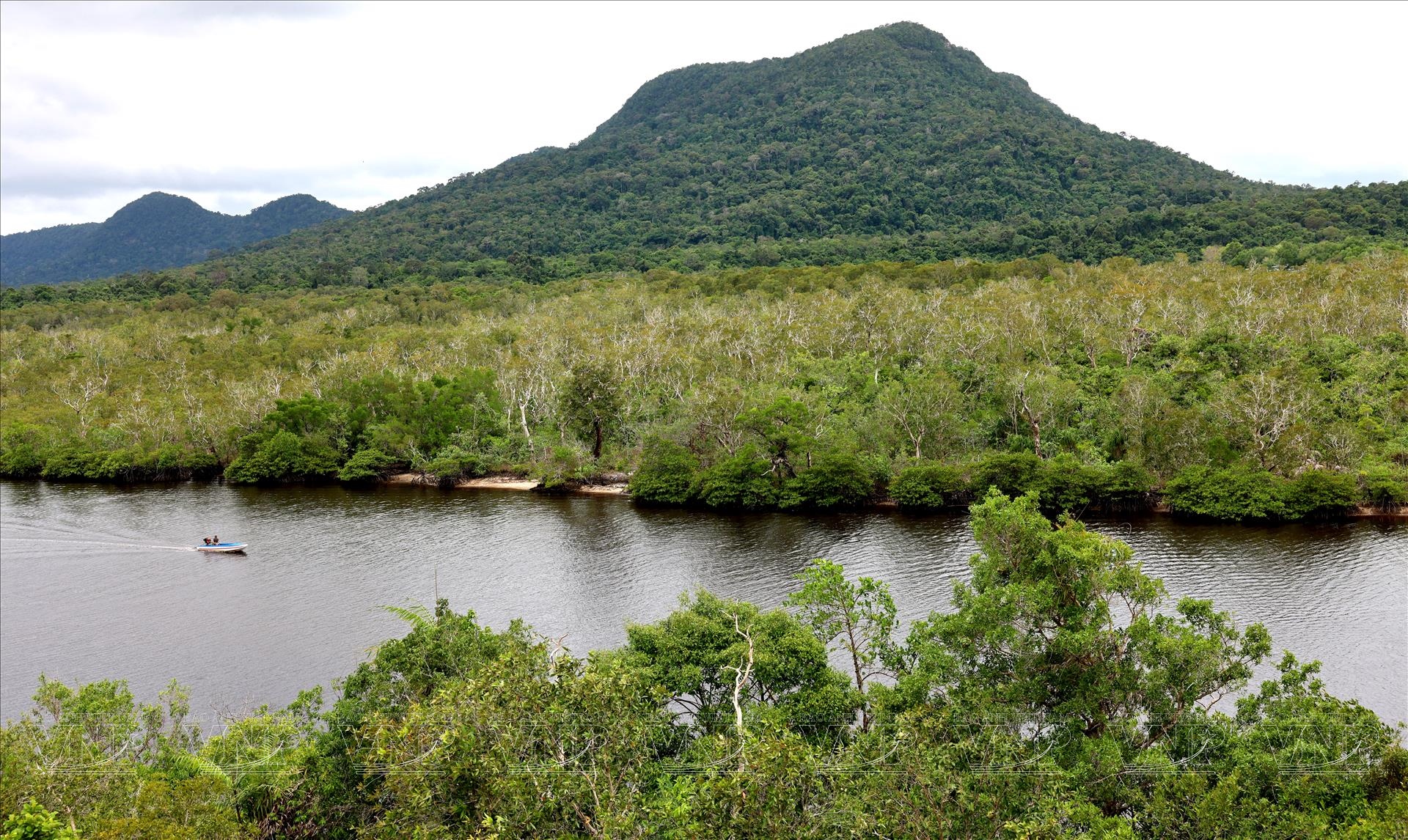
Kyril Whittaker: Phu Quoc is a destination that showcases Vietnamese development, through its upcoming light railway system, expansion of road networks and the Phu Quoc International Airport and more. Its development acts as a mirror to the rest of the country with similar projects taking place at the time of the APEC summit or to take place in the future.
Within the projects themselves, the cultural quintessence of Viet Nam will be reflected, for example the light rail system will contain themed stations centered around different parts of Viet Nam such as Hanoi’s Old Quarter and Hue. All of this alongside the traditional features of Phu Quoc such as its already large tourist infrastructure, its natural beauty and its local crafts and products will help showcase Viet Nam’s innovation and development and its culture.
VNP:Drawing international experience, including the UK’s, in hosting major events, how can Viet Nam take advantage of the symbolic value of APEC 2027 and turn it into an opportunity to enhance its stature on the global stage?
Kyril Whittaker: Large international events acts as economic draws and opportunities for various forms of diplomacy including economic diplomacy, state-to-state diplomacy and people-to-people diplomacy. The APEC 2027 forum is a venue which can facilitate all of these forms of diplomacy and is an ample opportunity for Viet Nam to showcase its sustainable development in the “Era of Nation’s Rise”, its innovation, economic growth and culture. By harnessing the event to showcase these features Viet Nam will center itself as an example and hub for development. Alongside the Vietnamese state’s recent efforts to see diplomacy as a job of all aspects of government and state organizations, APEC 2027 will serve to further elevate Viet Nam on the international stage.
VNP: Thank you!
- Story: Ha Anh/VNP
- Photos: Thong Hai/VNP & VNA