An Giang Boosts Community-based Tourism with Strong Cultural Identity
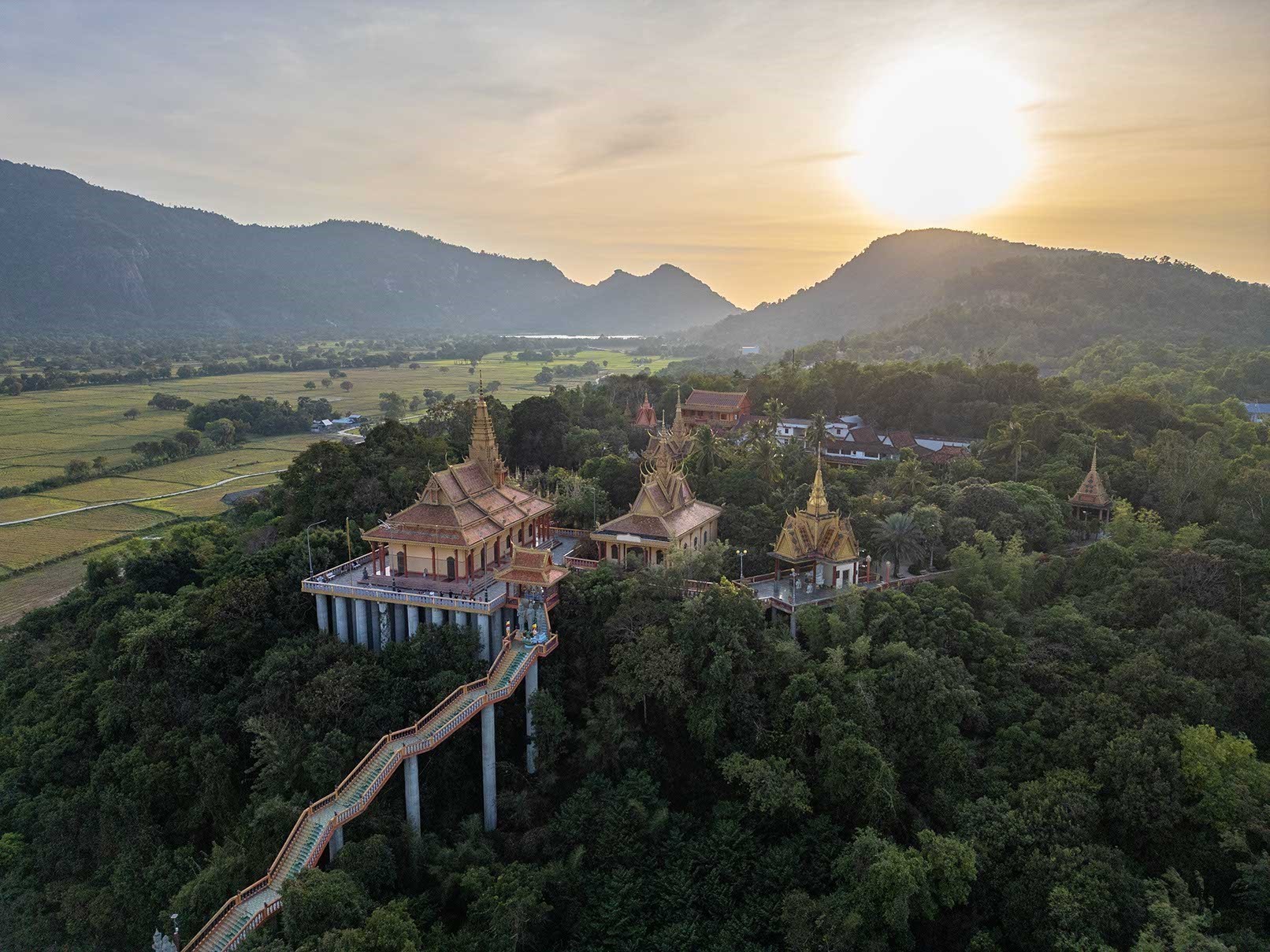
An Giang, located at the headwaters of the Mekong Delta, is leveraging its rich cultural diversity and distinctive natural landscapes to develop community-based tourism in a more professional and sustainable direction, creating new livelihoods for ethnic minority communities while preserving local cultural identity.
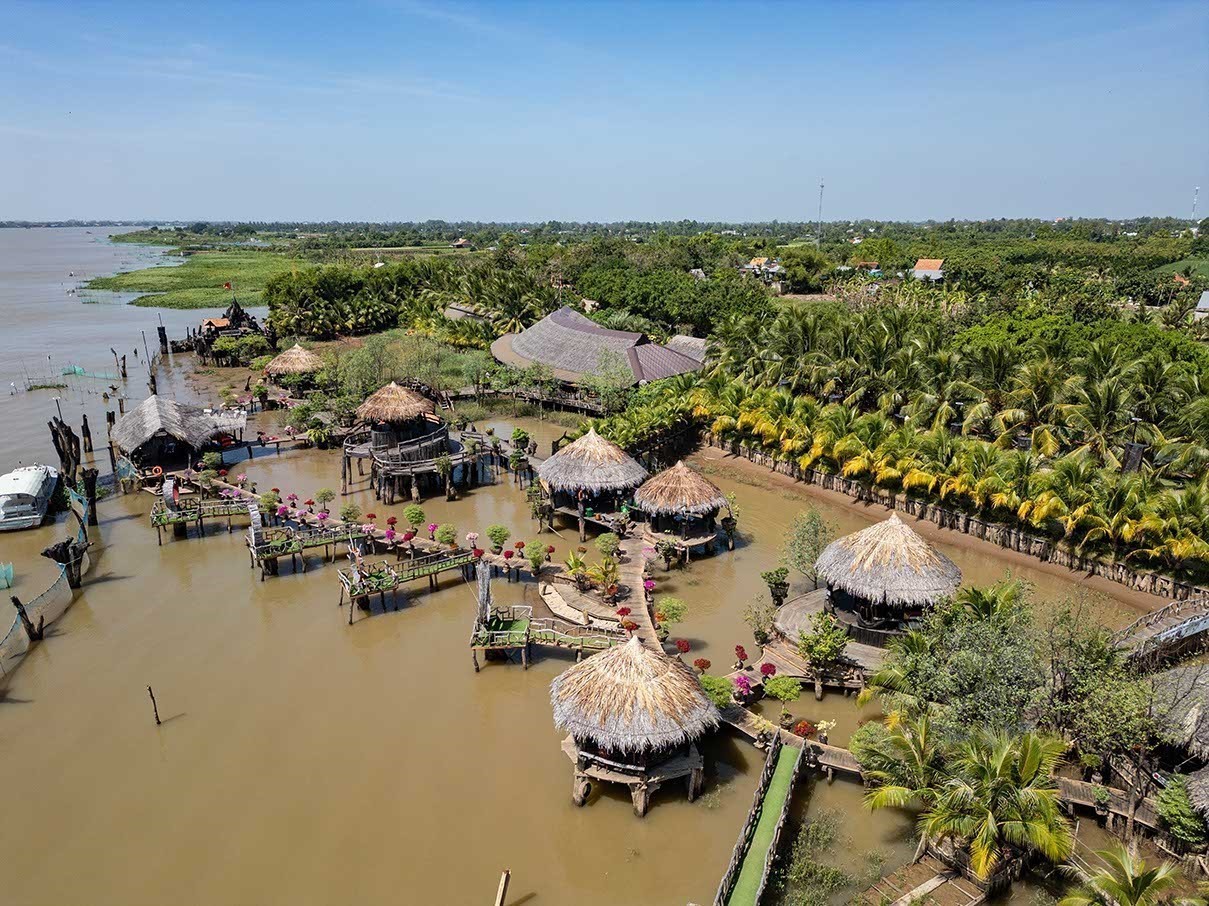
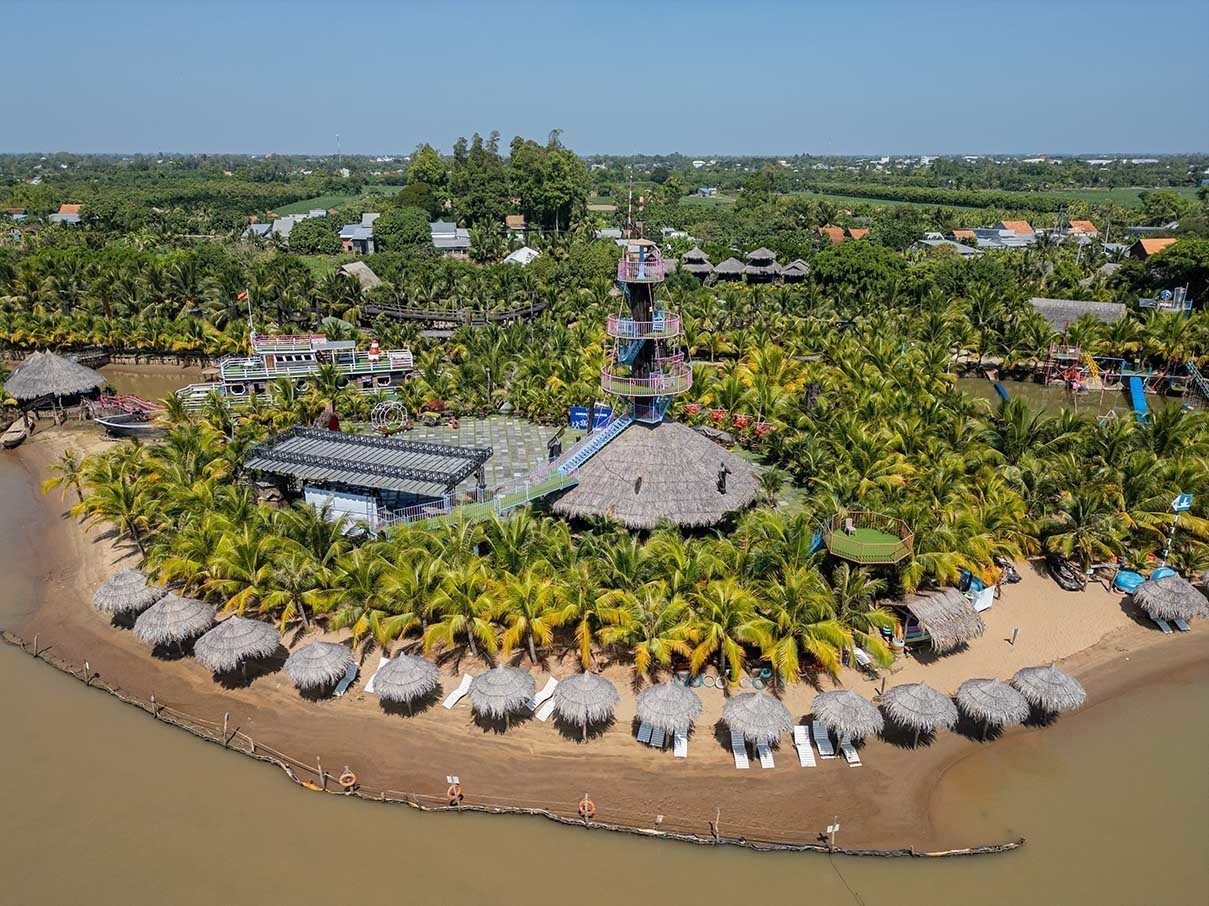
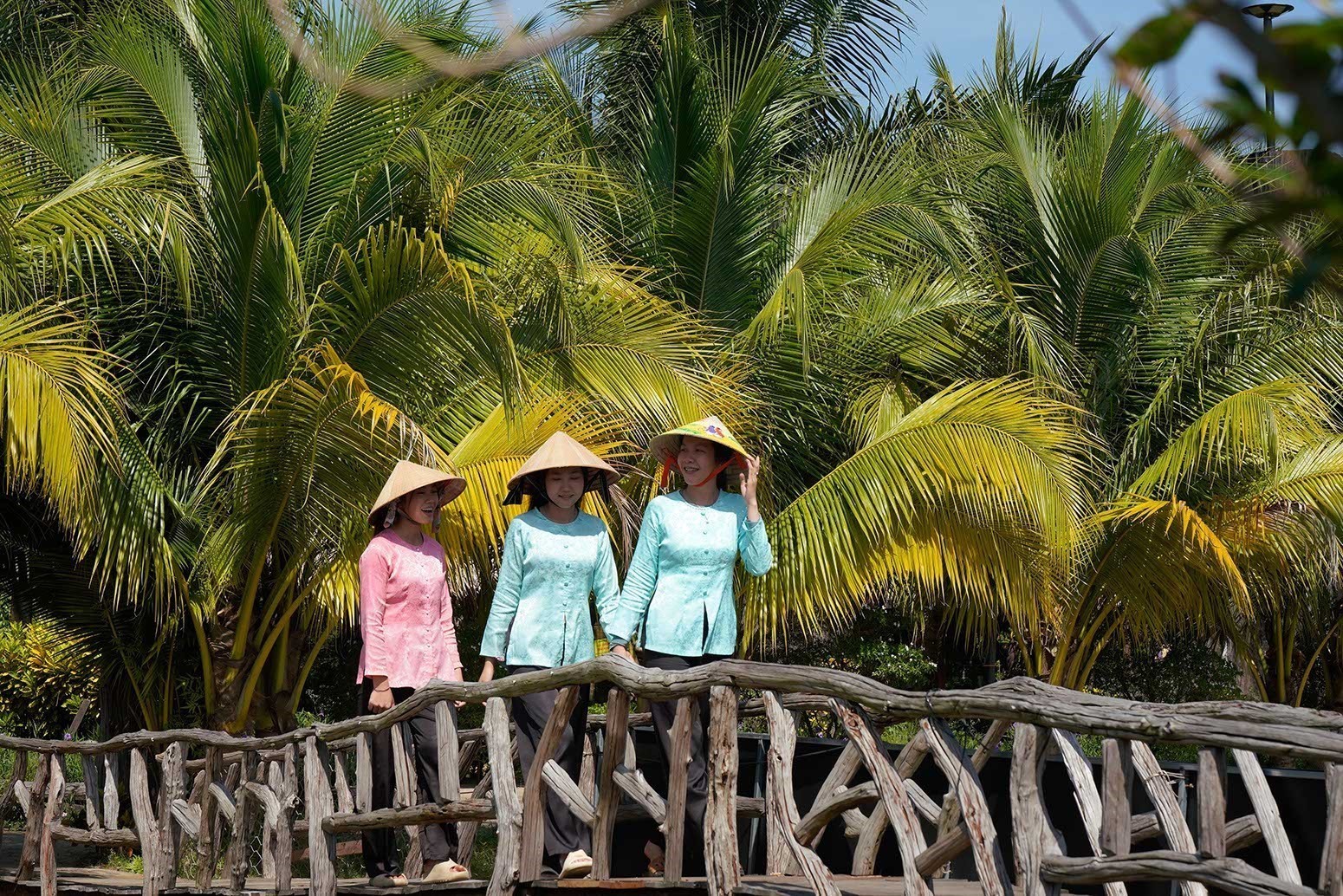
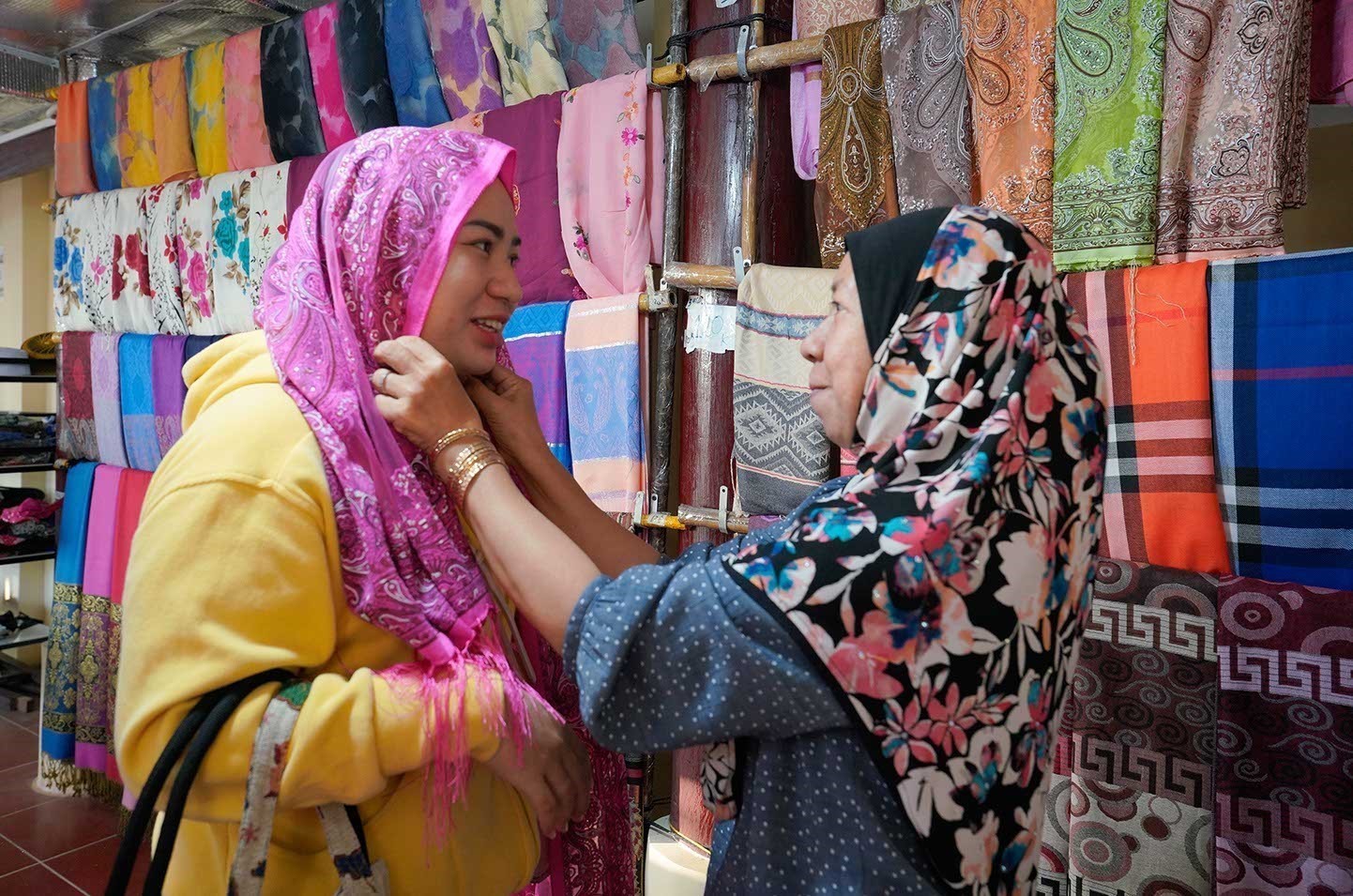
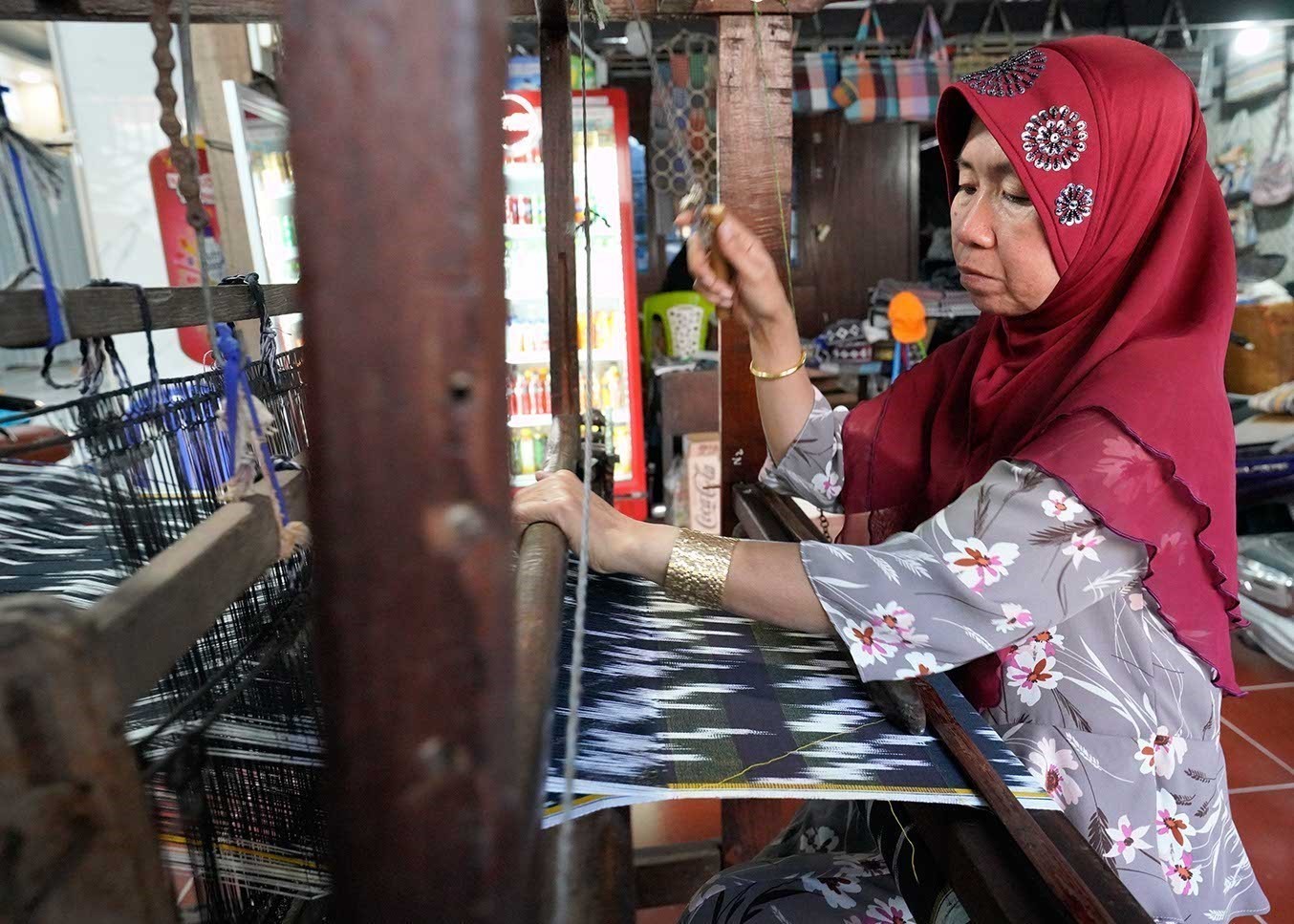
The province is home to a distinctive convergence of the Cham, Khmer, and Kinh ethnic groups, whose traditions, festivals, cuisine, and handicrafts have created a rich cultural landscape that sets An Giang apart from other destinations in southern Vietnam.
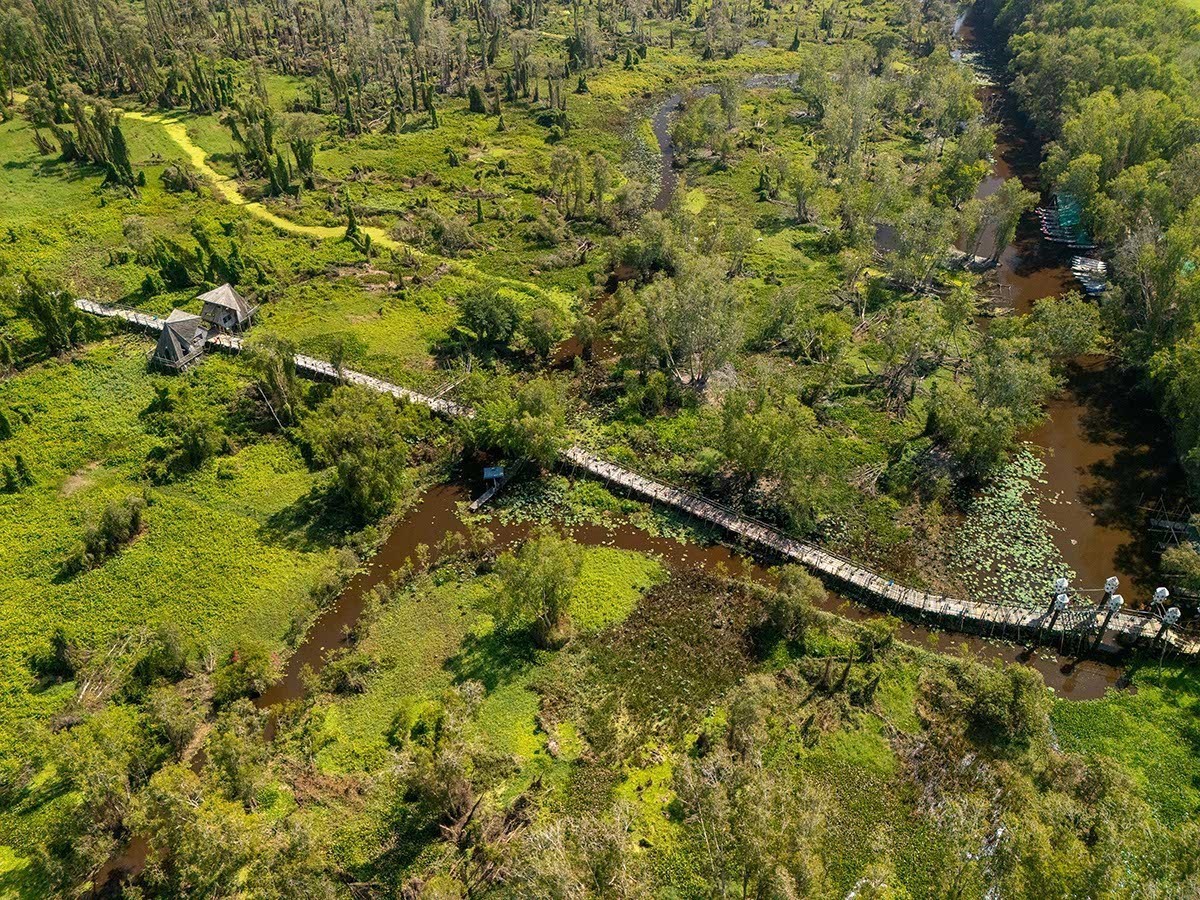
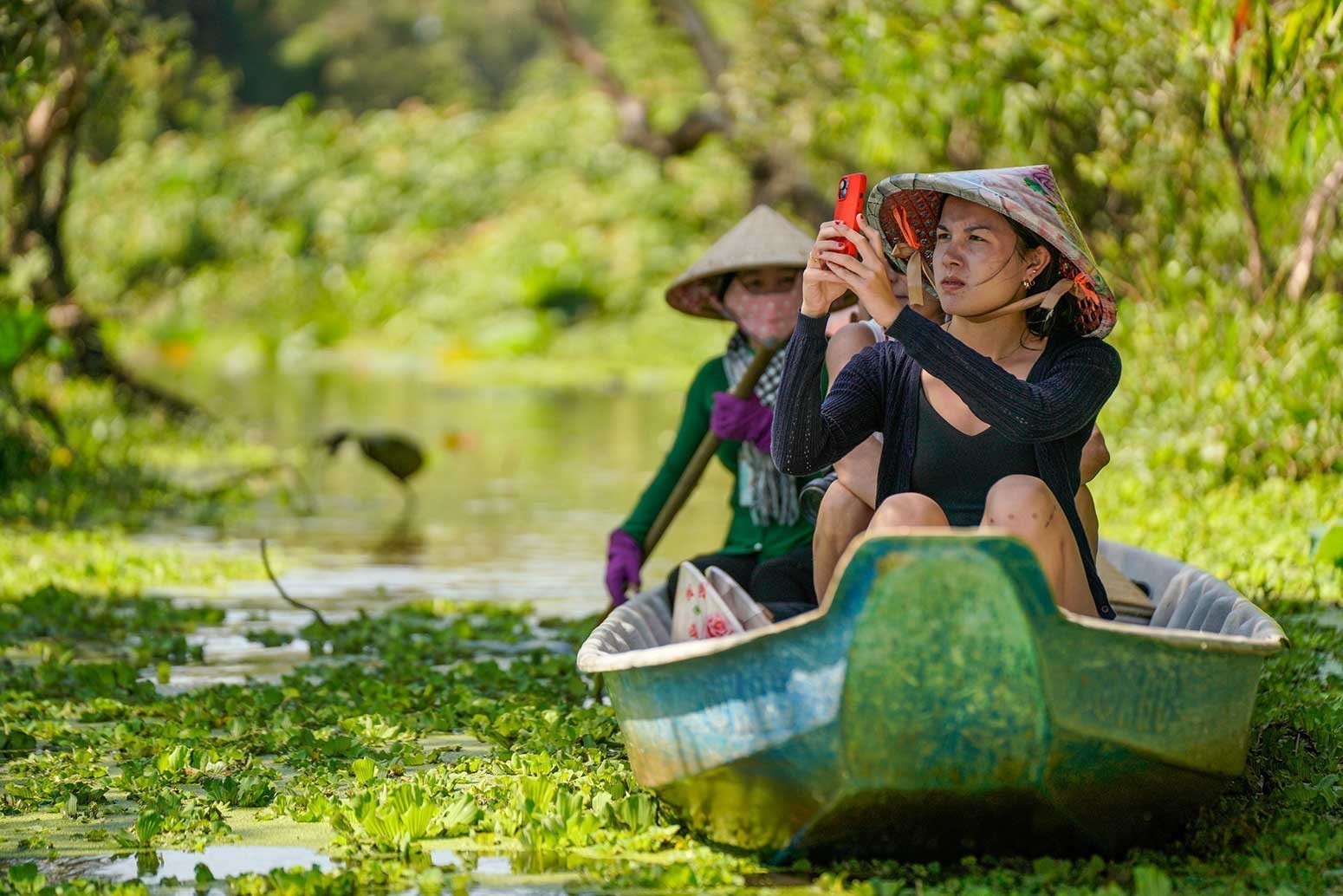
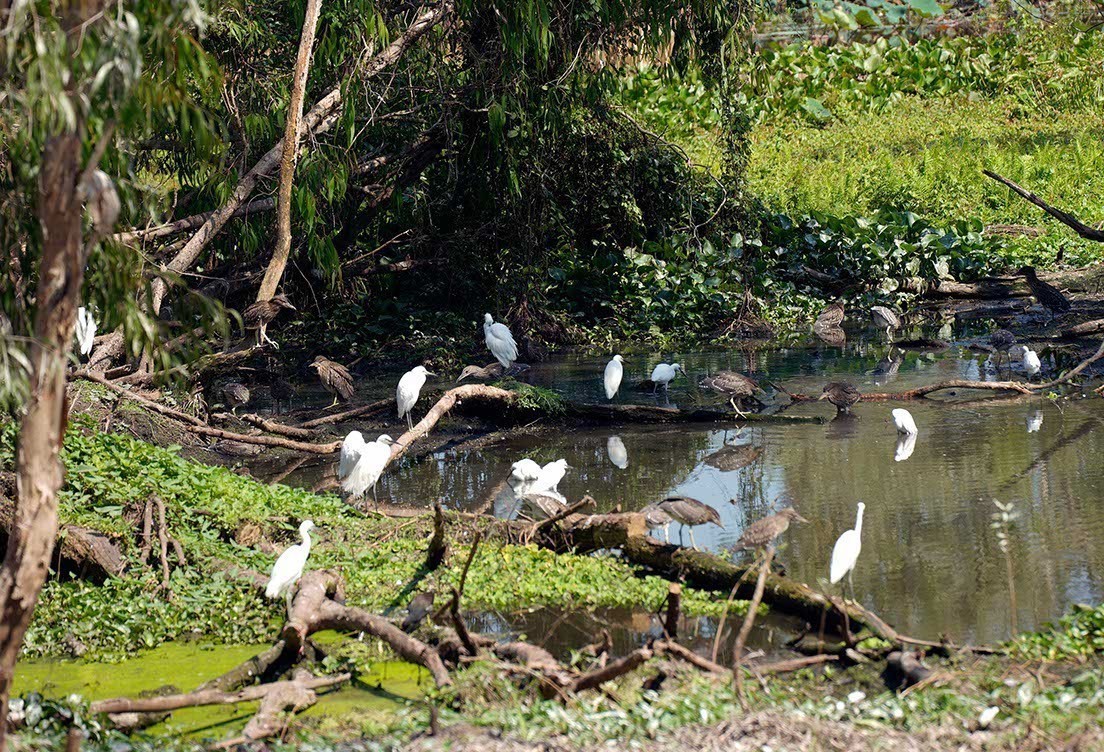
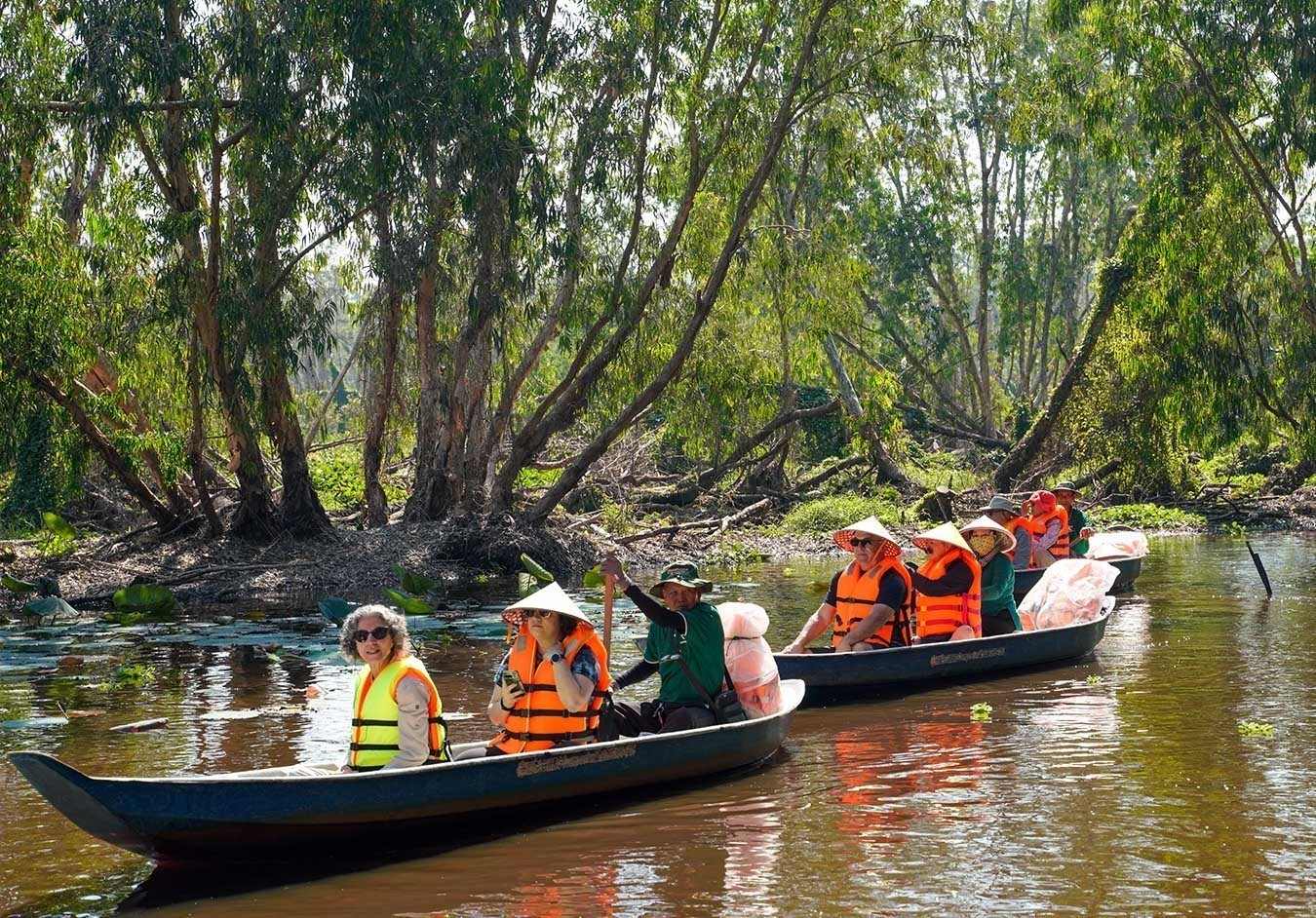
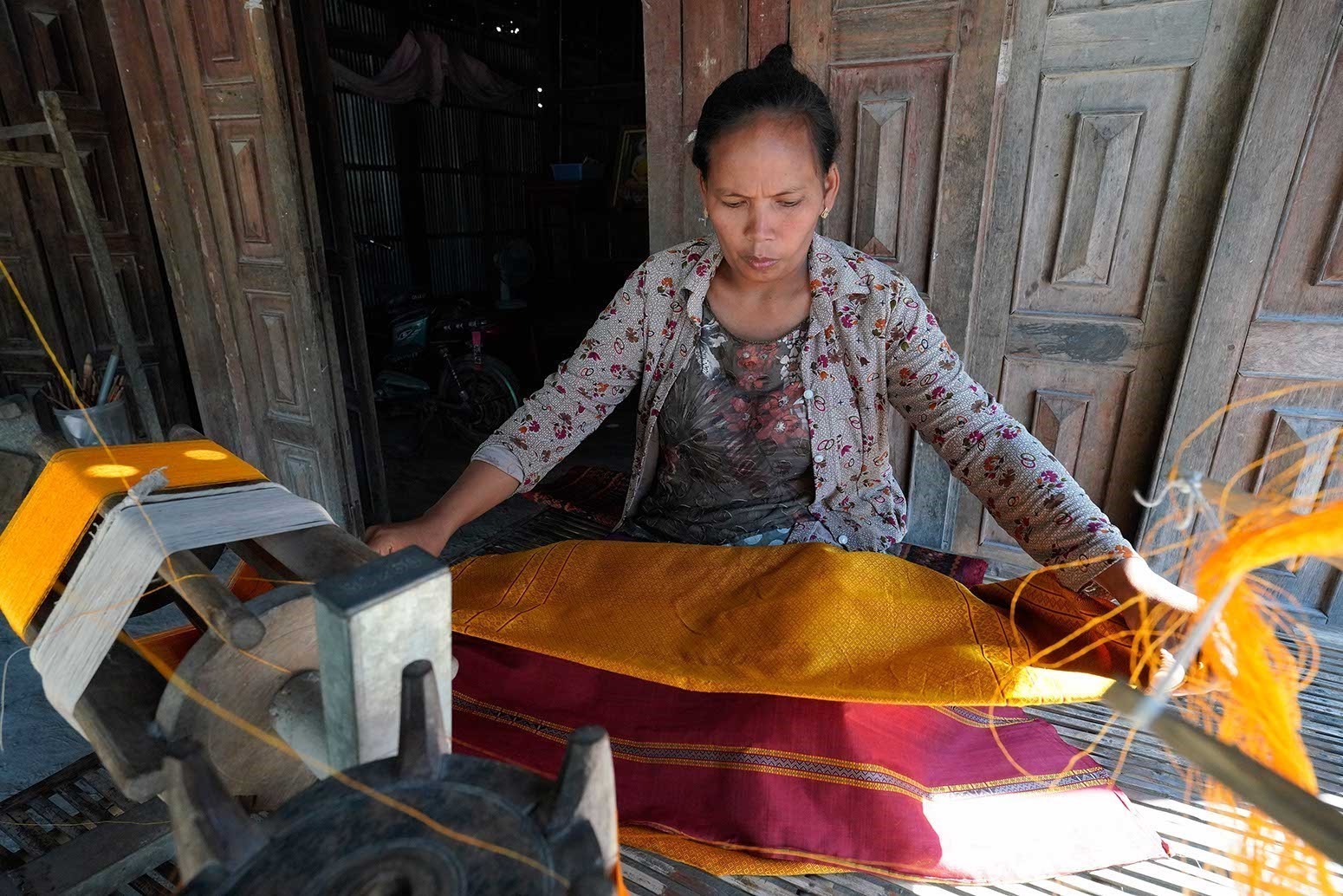
Its tourism appeal is further strengthened by iconic attractions such as Cam Mountain, Sam Mountain, the Tra Su cajuput forest, and a network of traditional craft villages. These sites draw visitors seeking natural beauty and spiritual experiences, while also offering immersive activities including homestays, craft making, local cuisine, and cultural exchanges with host communities.
In 2025, An Giang is estimated to welcome 24,135,521 visitors, including around 1,919,355 international arrivals, generating total tourism revenue of 67.687 trillion dong (2.6 billion US dollars) . These figures highlight tourism’s growing role as a key driver of socio-economic development, particularly in rural and ethnic minority areas.
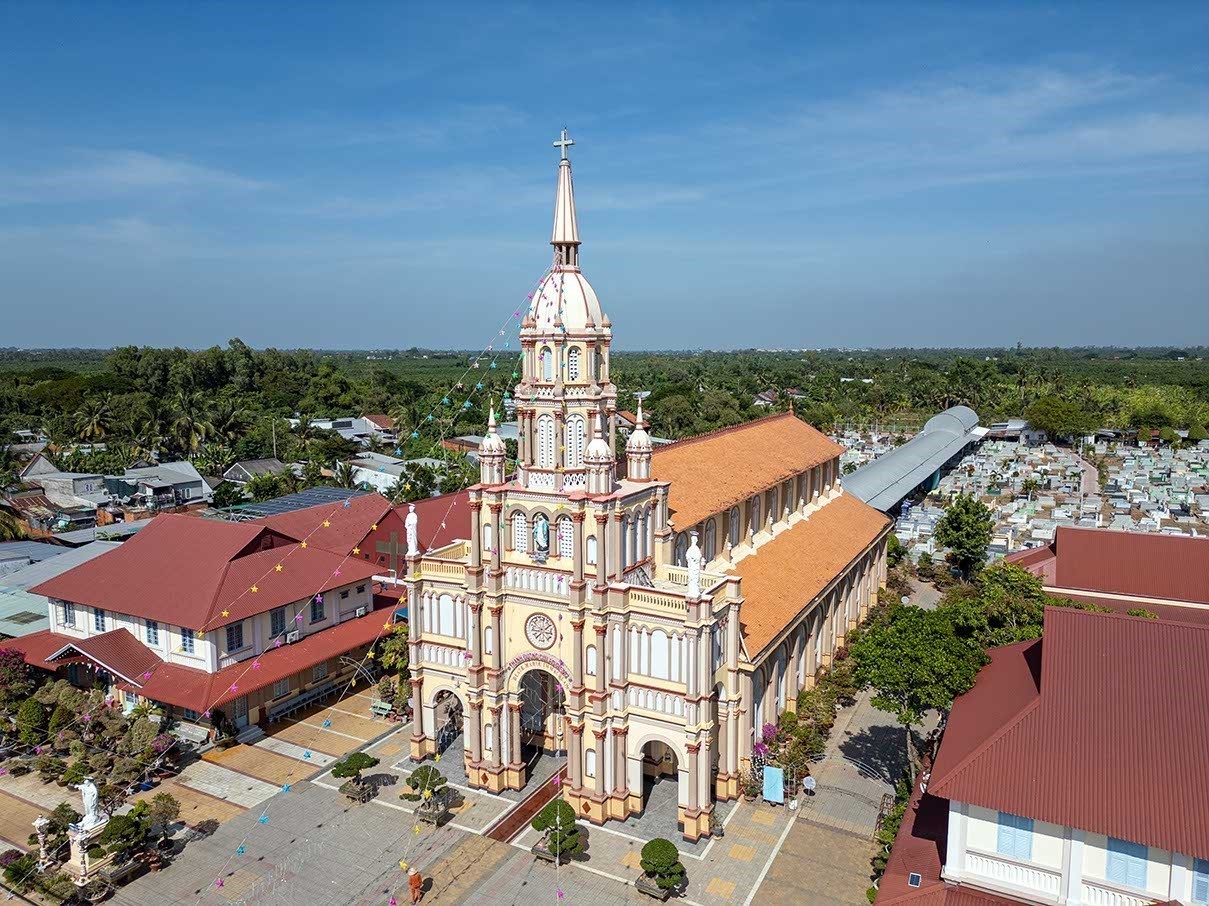
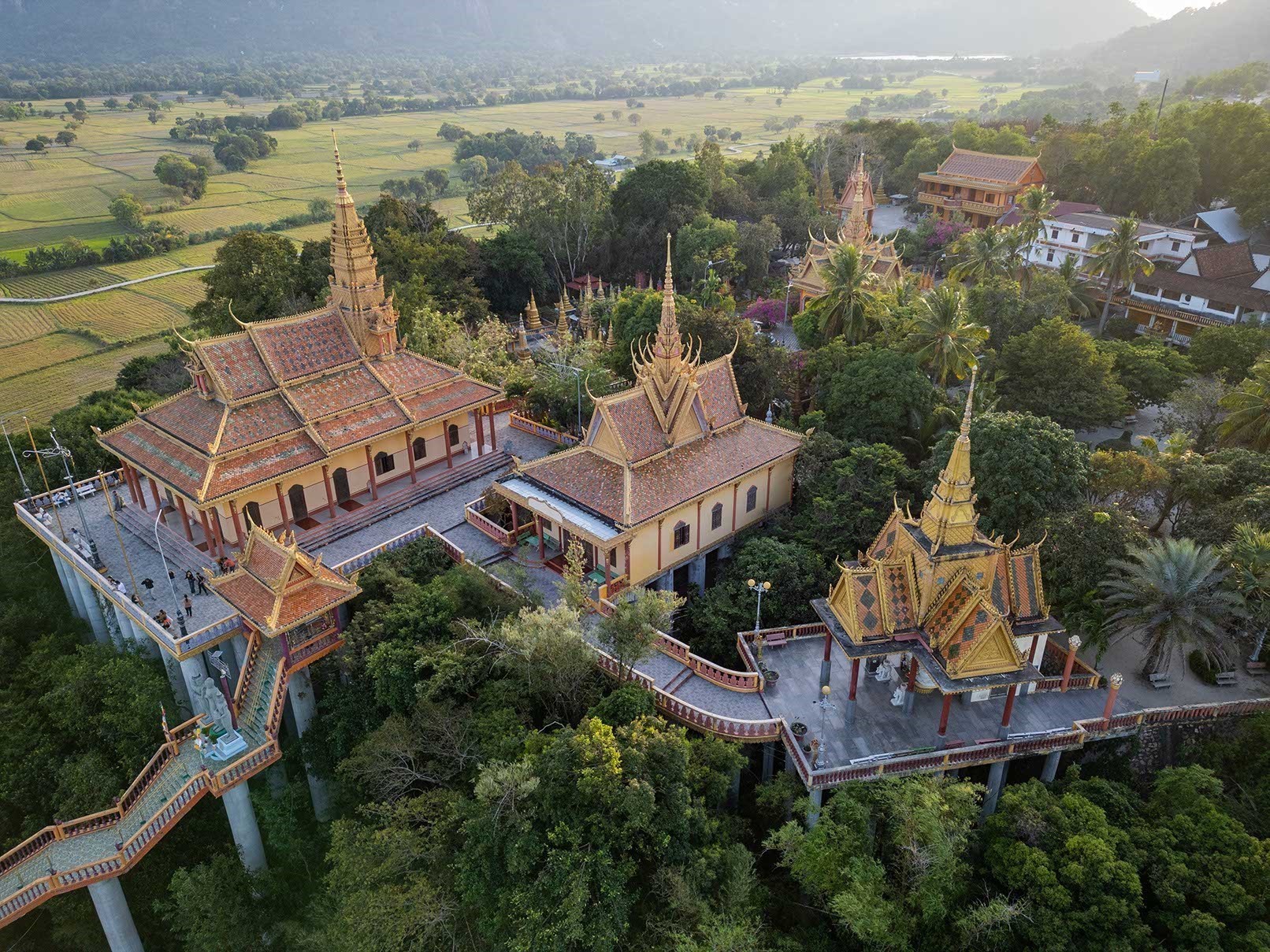
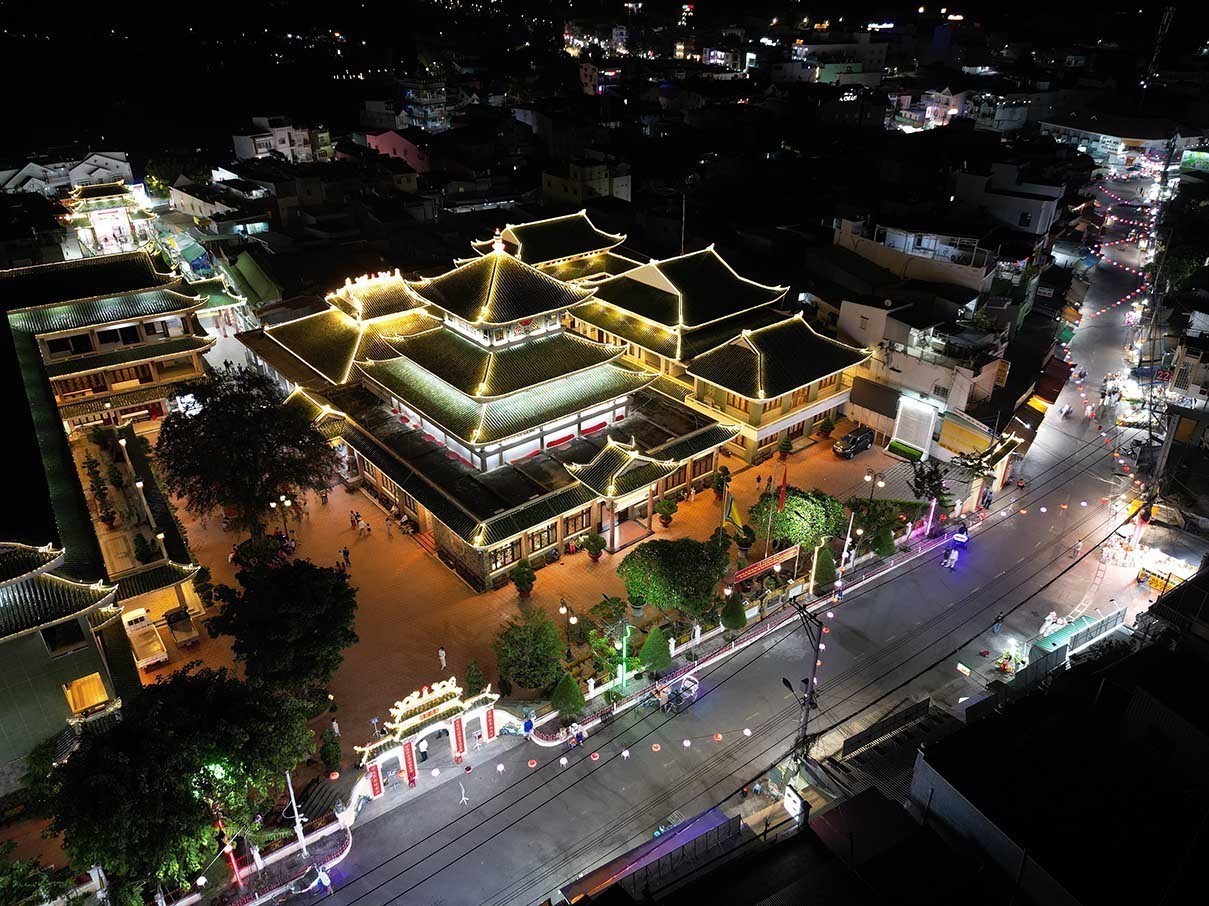
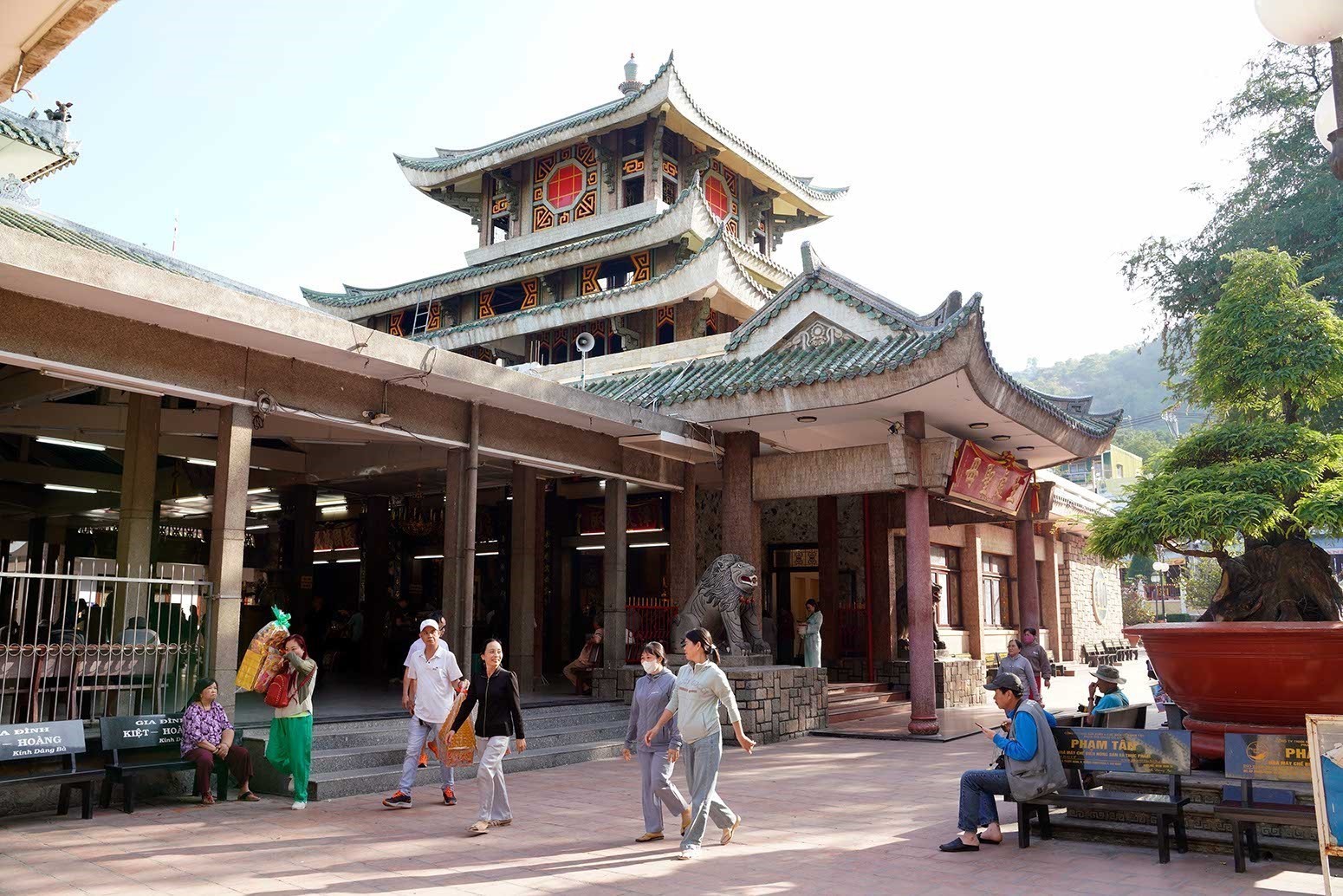
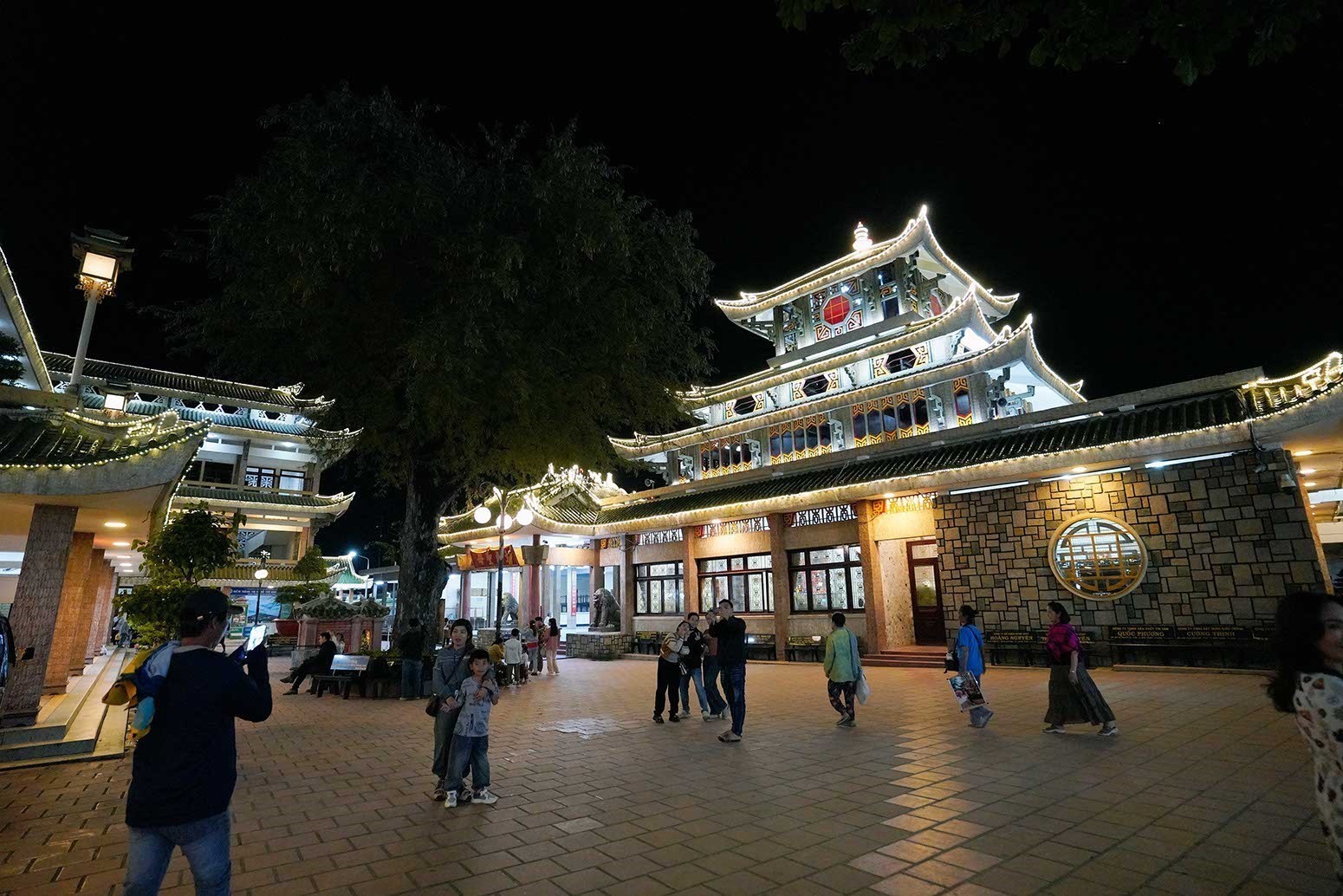
Building on this momentum, the province’s tourism sector is moving to further develop community-based tourism in a more professional, culturally distinctive, and sustainable direction. The effort is being implemented under the National Target Program on Socio-Economic Development in Ethnic Minority and Mountainous Areas, with an emphasis on empowering local communities. Through vocational training, infrastructure investment, and the preservation of cultural values, the program aims to help residents improve livelihoods while protecting traditional knowledge and natural resources.
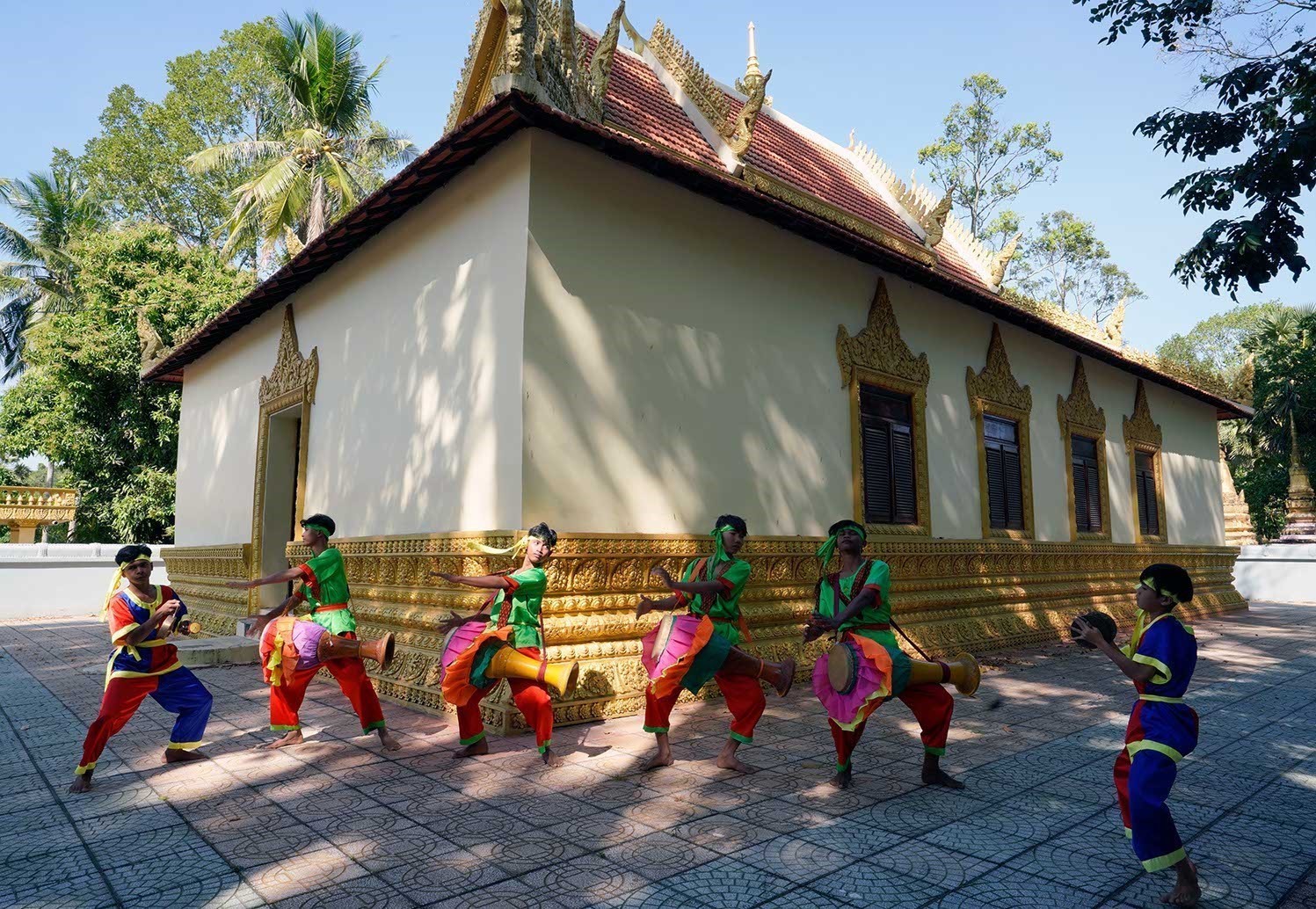
By placing local communities at the center of tourism development, An Giang seeks to ensure that economic benefits are shared more equitably, cultural identity is preserved, and tourism growth remains sustainable over the long term.
- Story: VNP
- Photos: VNA