A Veteran Doctor's Tireless Search for Fallen Comrades
Half a century after national reunification, 82-year-old Dr. Tran Van Ban still returns to former battlefields to search for the remains of his teammates. For him, the promise to bring home fallen soldiers has never stopped.
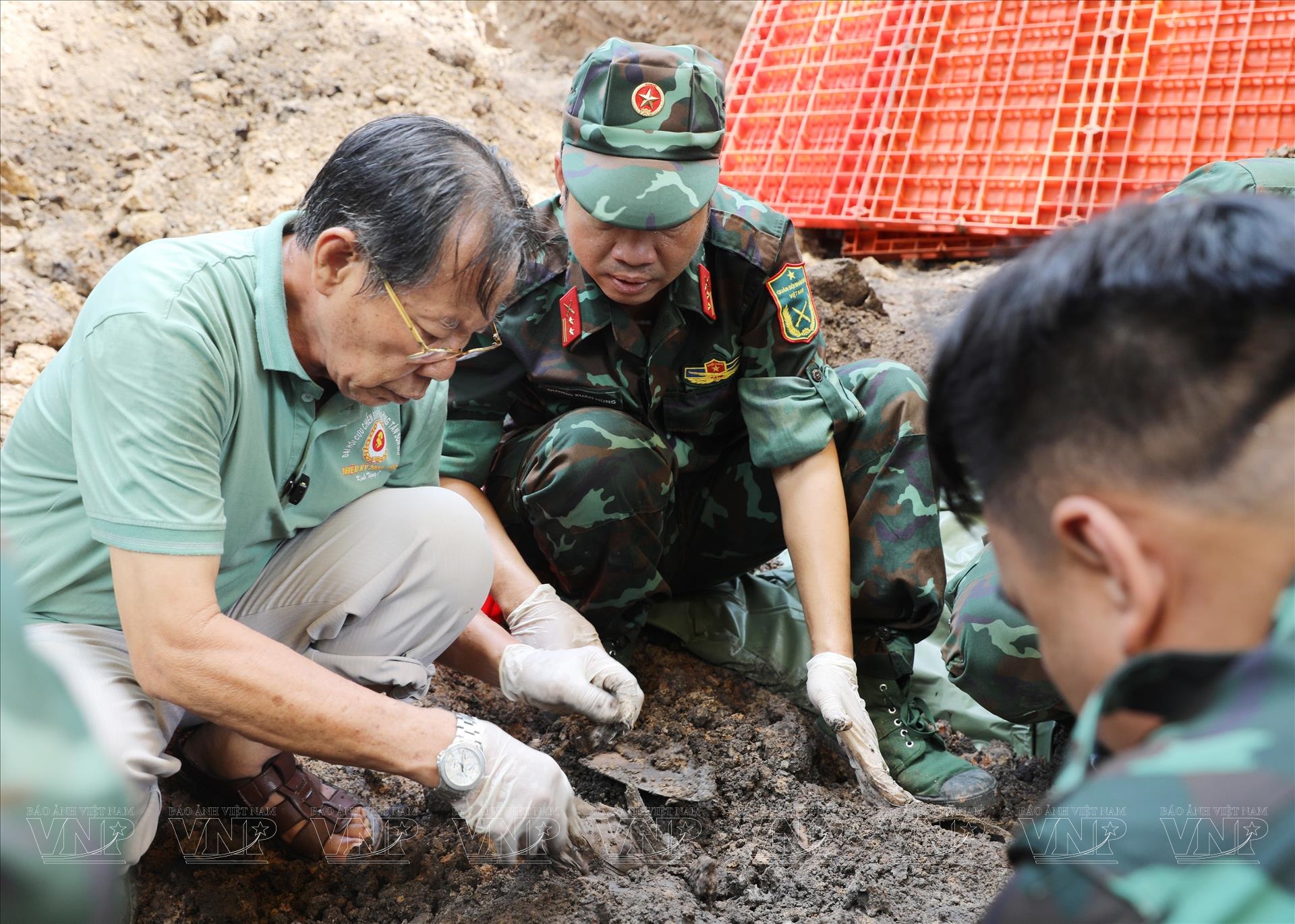
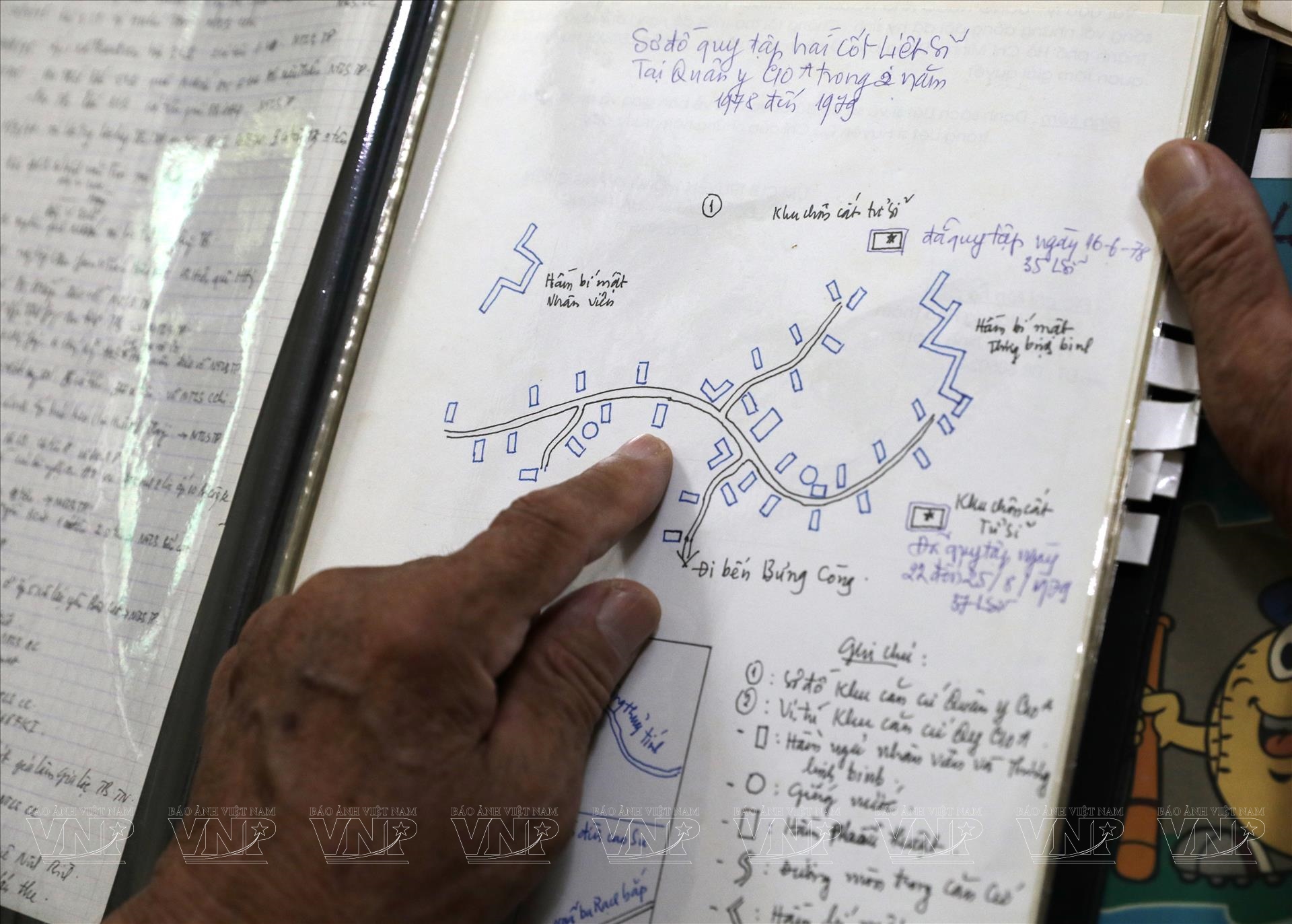
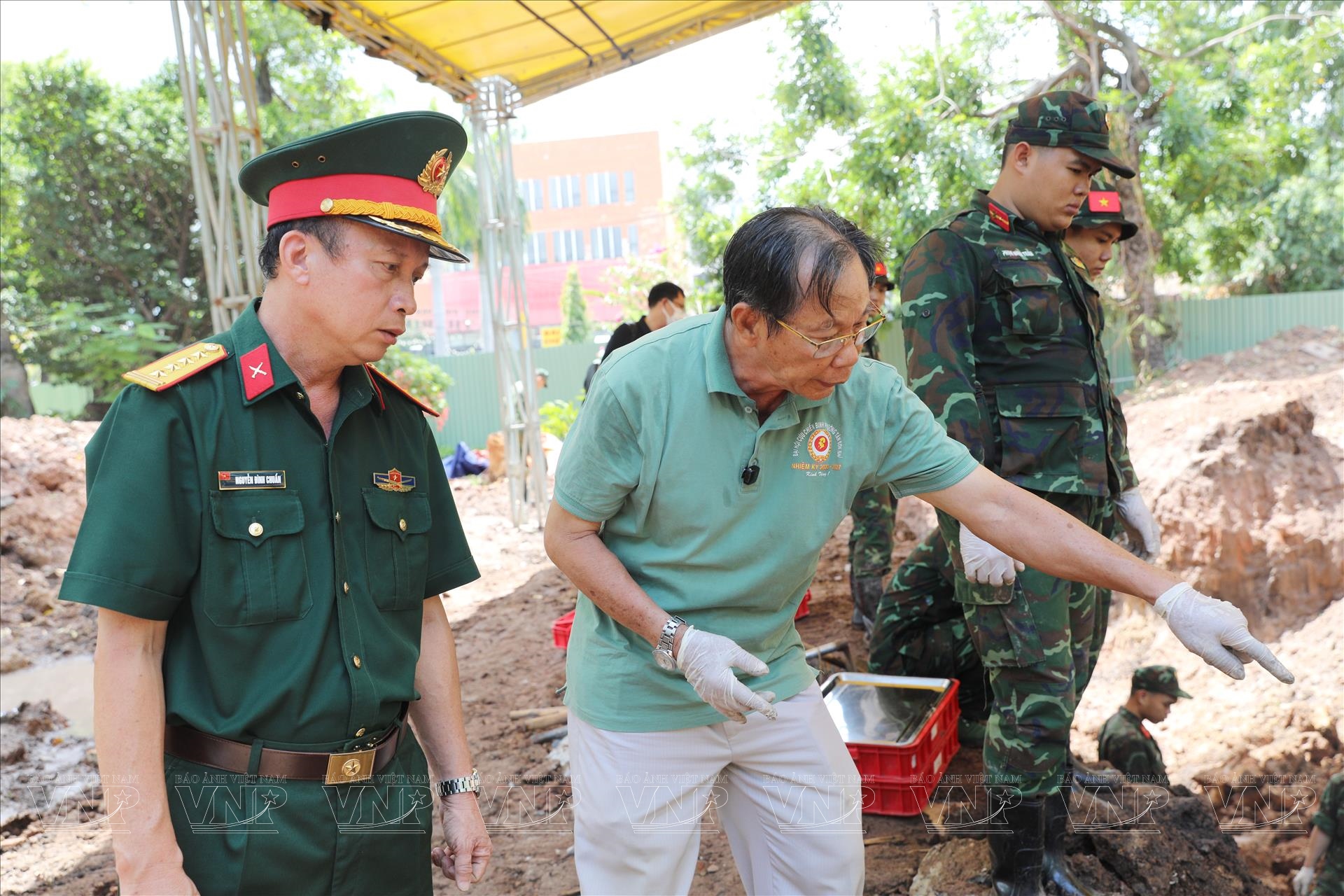
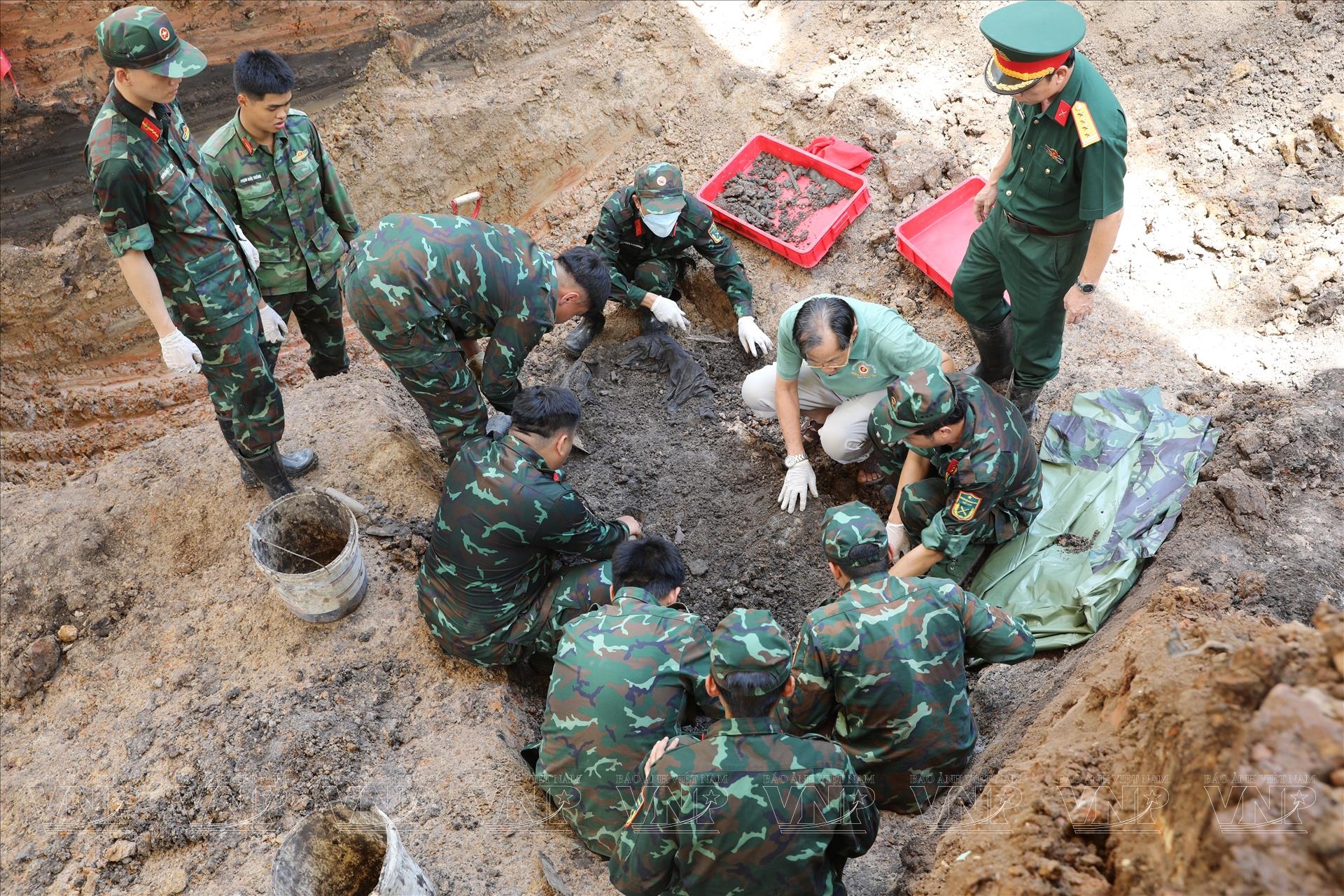
At an excavation site in Le Thi Rieng Park, Ho Chi Minh City, Ban examined every trace in the freshly dug soil. Serving as a military doctor on the Sai Gon-Gia Dinh battlefield, he has spent years revisiting these historical grounds to trace those left behind.
Enlisting on March 25, 1967, Ban marched down the Truong Son trail to the south, fighting in the Iron Triangle covering Cu Chi, Ben Cat and Trang Bang. “Our unit had nearly 600 soldiers, later reaching almost 1,000 with reinforcements," he recalled. “By liberation day, only 100 survived.”
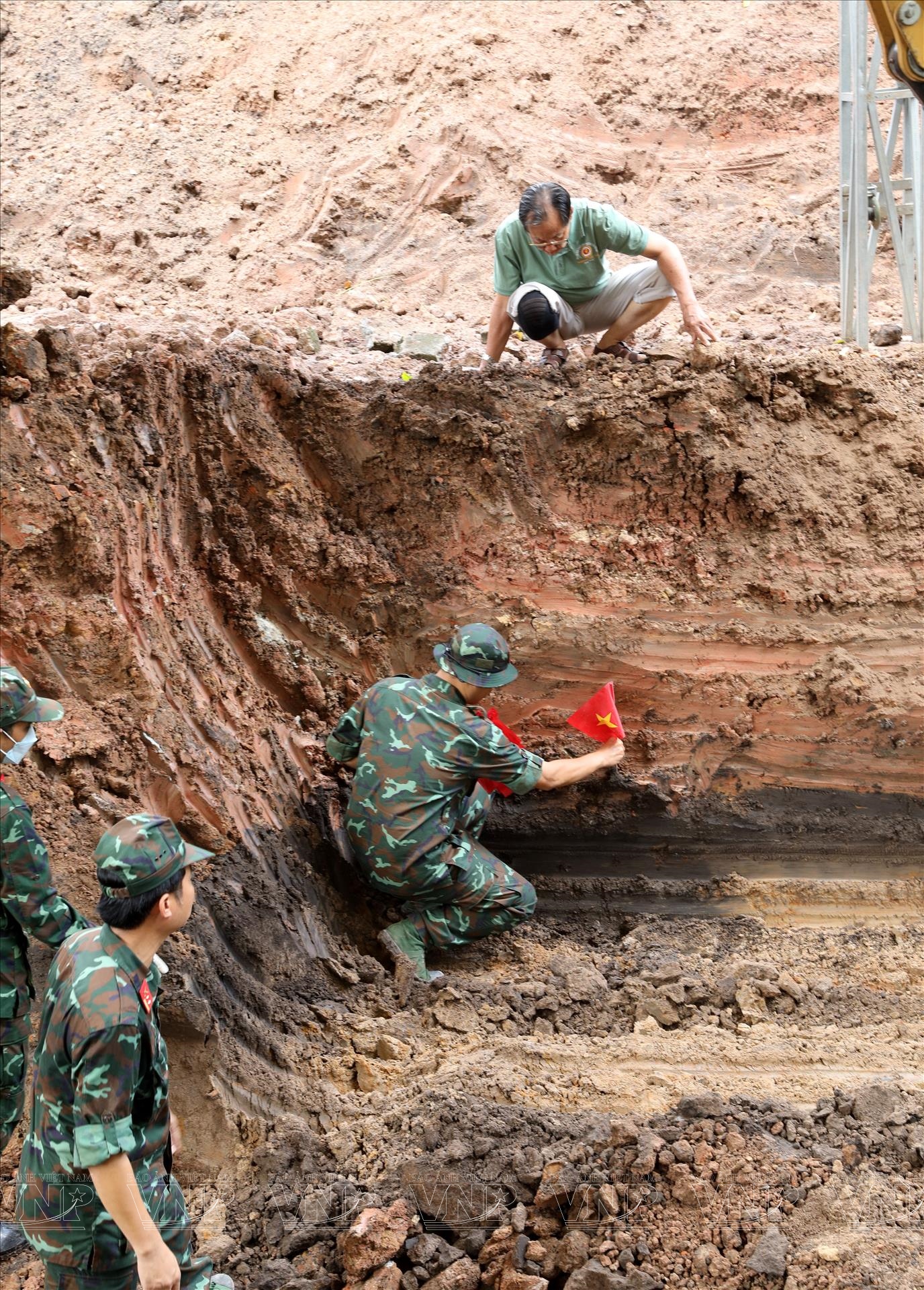
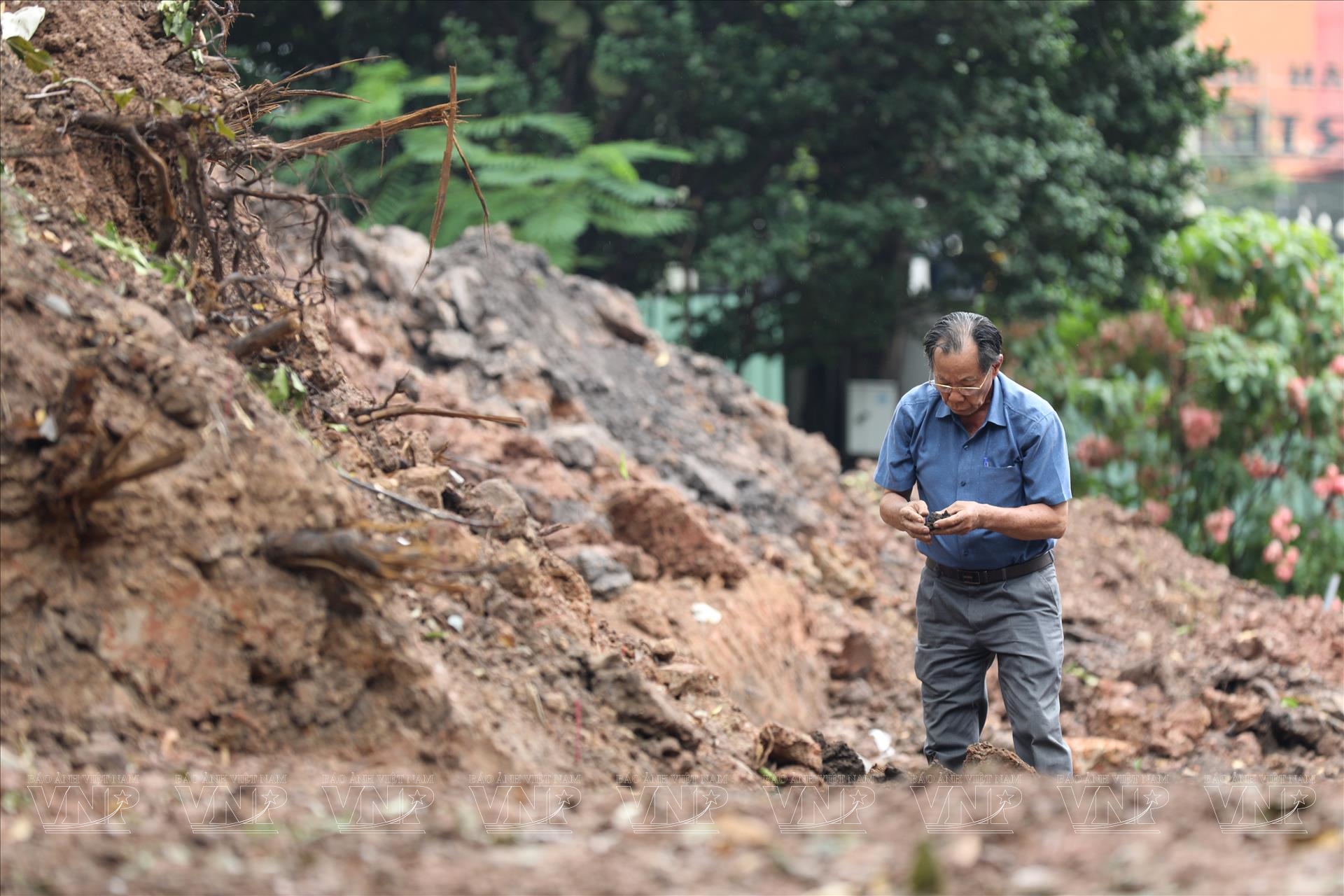
In August 1968, Ban was severely wounded in battle. Believing he had died, his comrades sent a death notice to his hometown in Hai Phong. When returning home in 1976, he learnt that his family had maintained a memorial altar for him for seven years.
During his home visit in 1977, a mother of missing soldiers met him, saying tearfully: “Ban, you have survived, so where are my sons Hoa, Kien and Huu? Can you bring them home?” Her agony made Ban promise to himself to do everything possible to find his comrades and bring them back to their families.
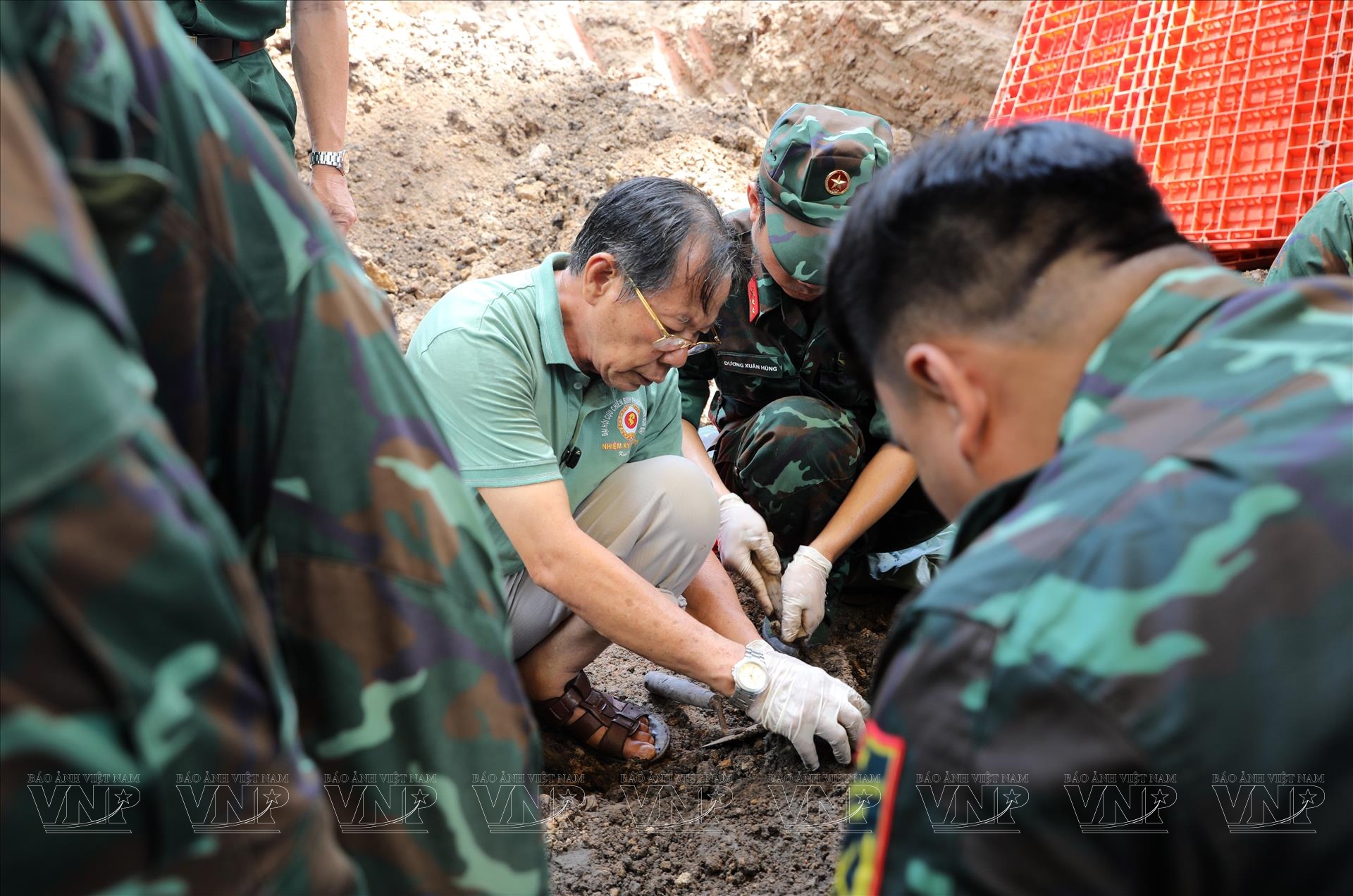
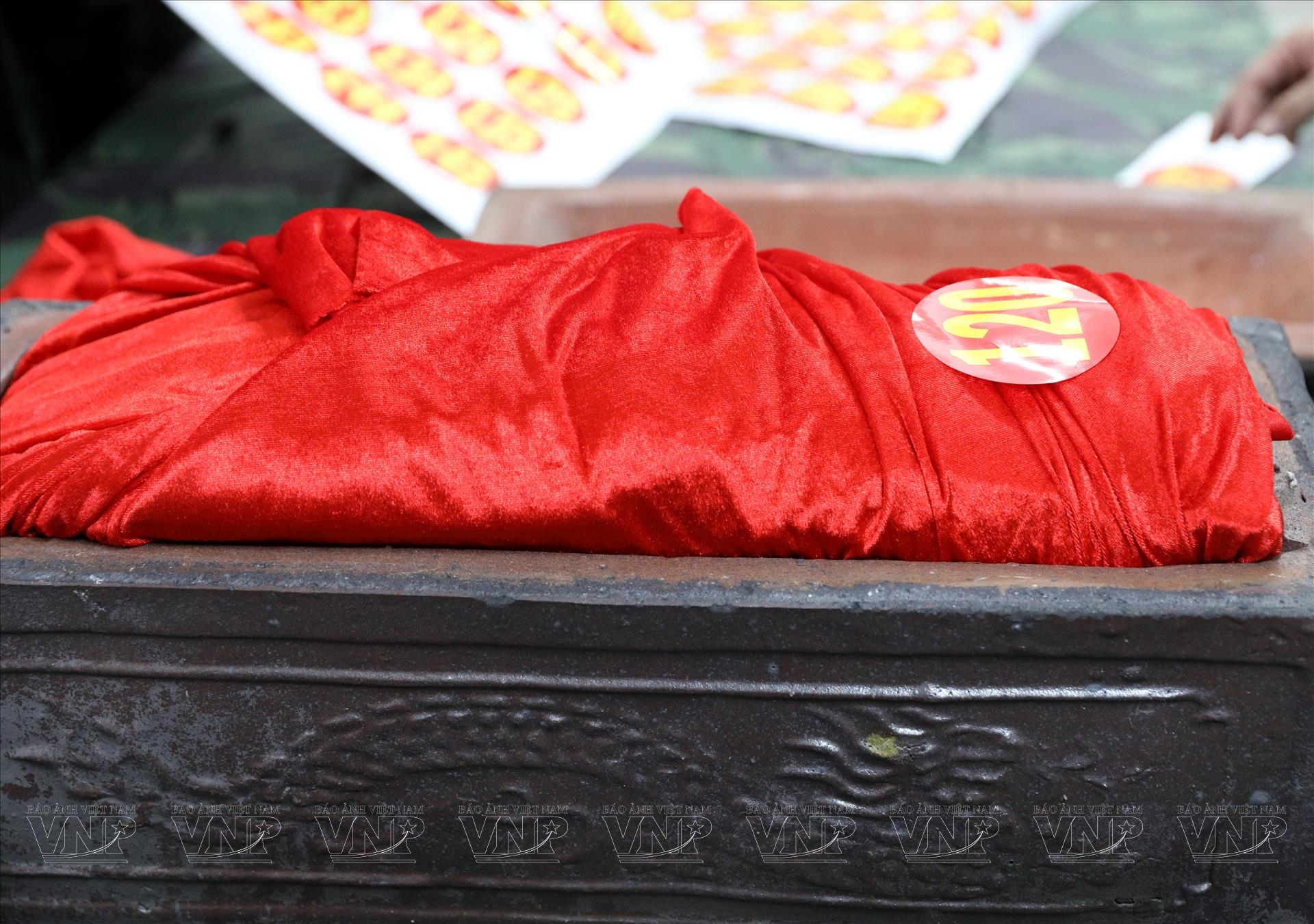
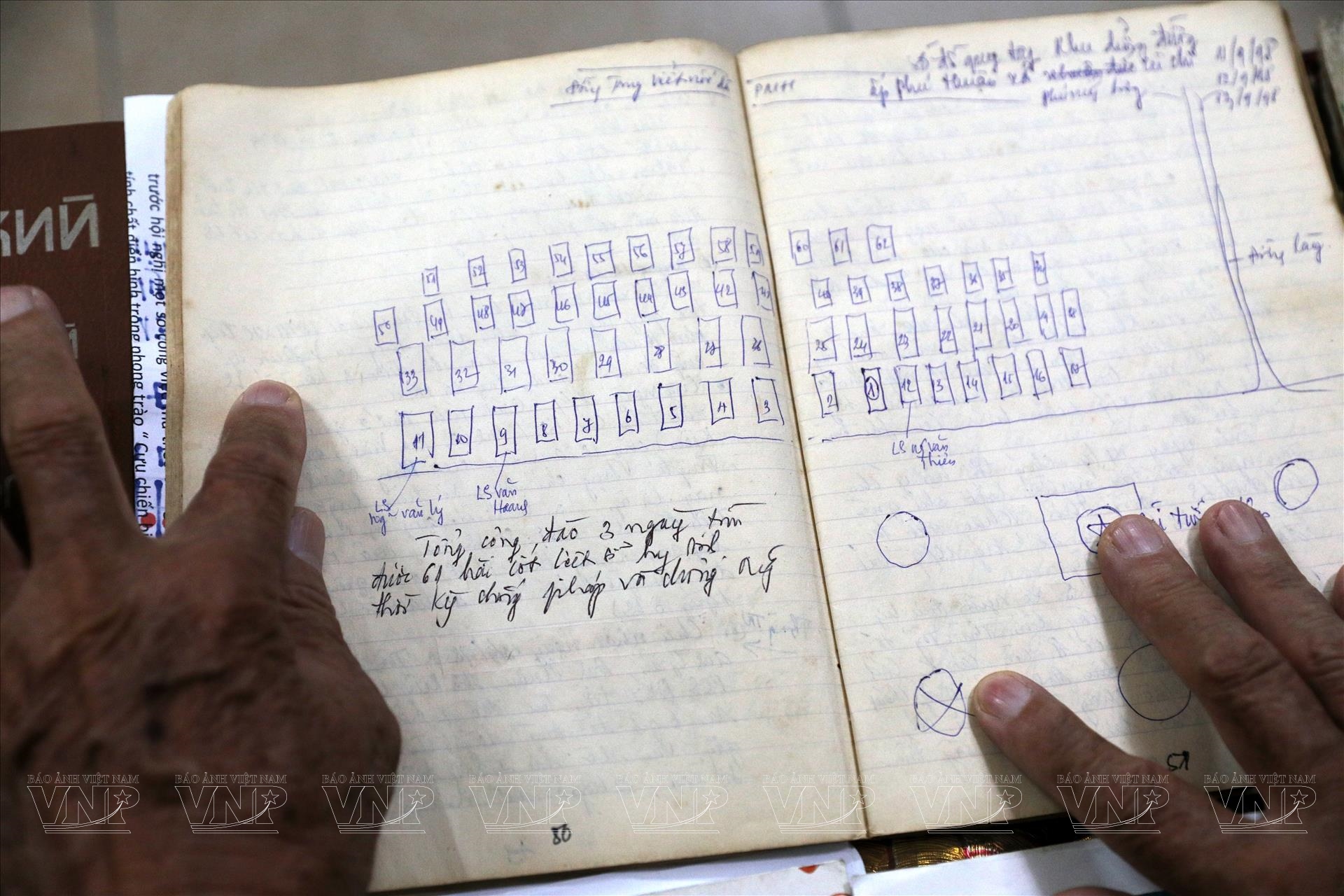
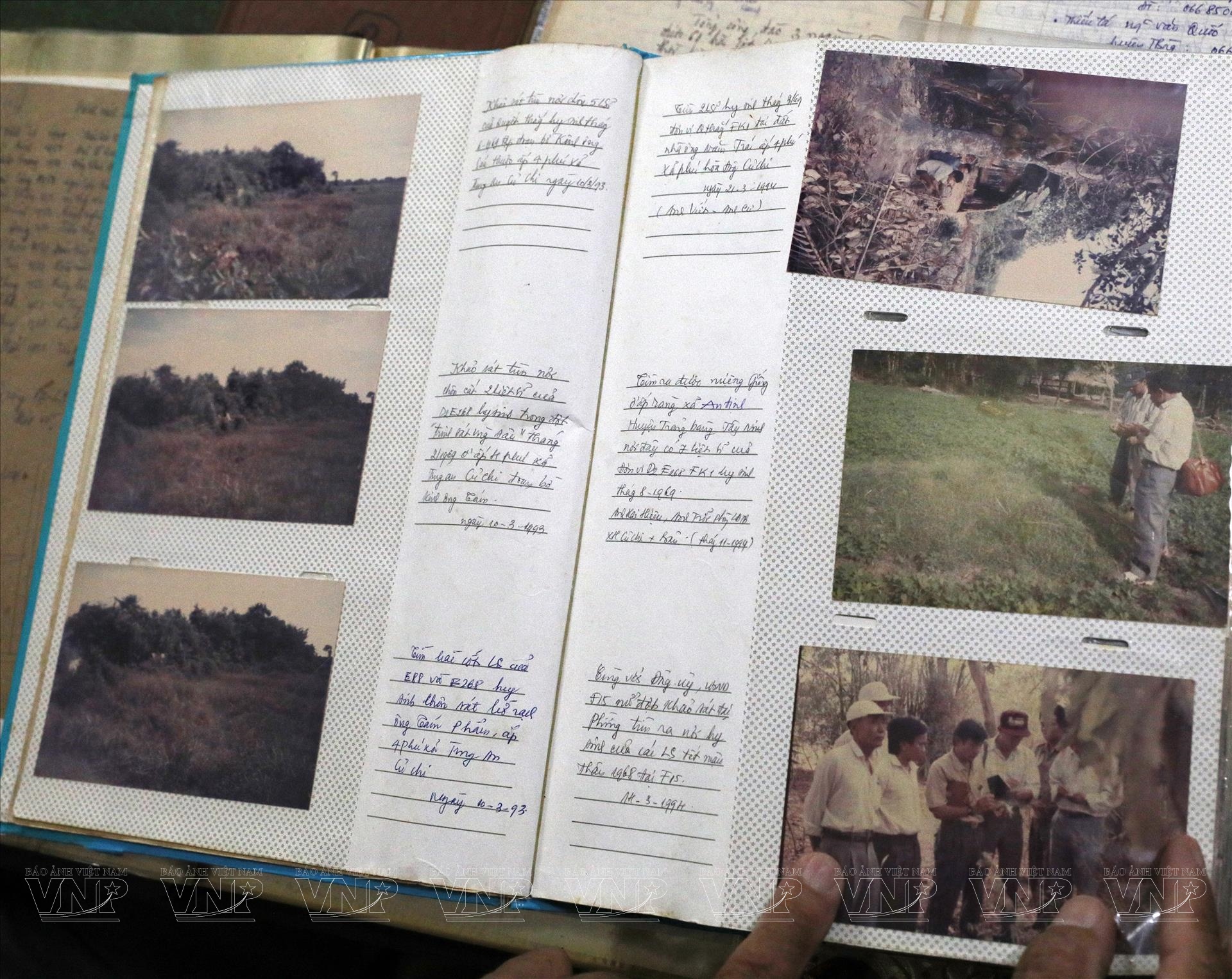
After the war, Ban set off on an old bicycle to revisit battlefields, gather information from locals and cross-reference his memories and the sites where his comrades fell. Over the years, his detailed notes have become valuable records for recovery teams.
One memorable case involved Nguyen Ba Hoa. After 13 survey trips, a burial location was identified. A small penicillin vial containing written personal details, an initiative Ban introduced during the war, was crucial evidence linking the remains to the soldier’s identity and hometown.
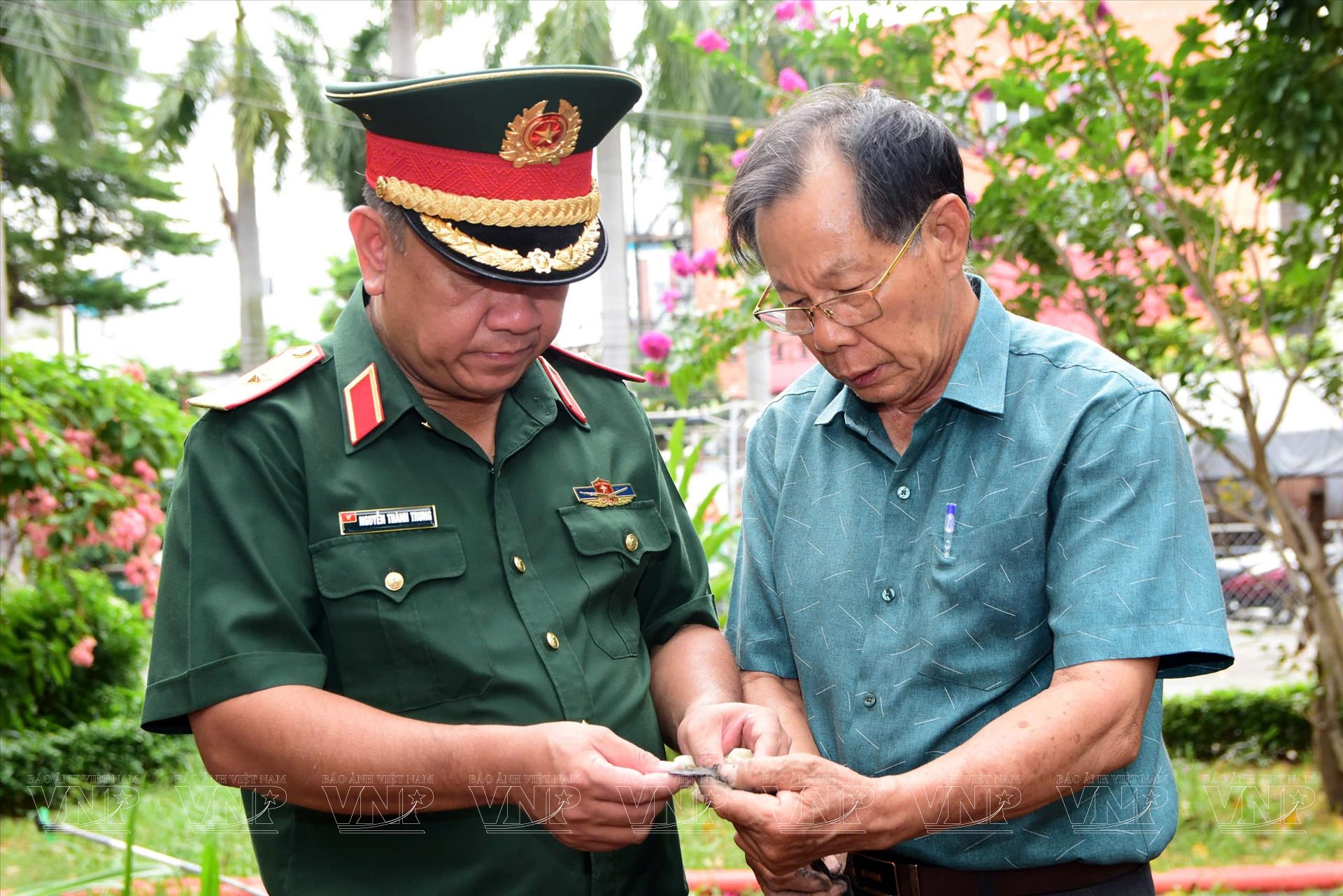
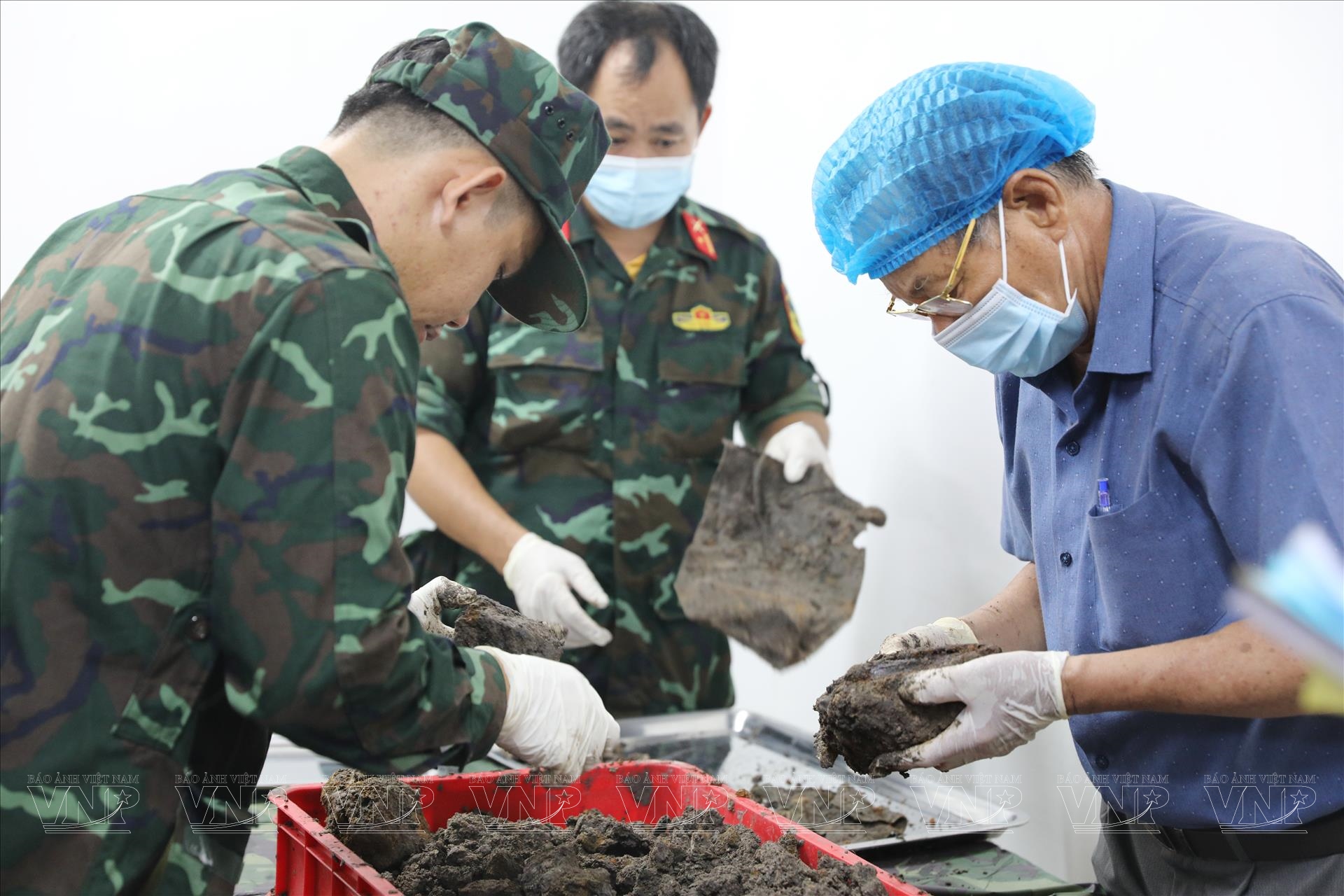
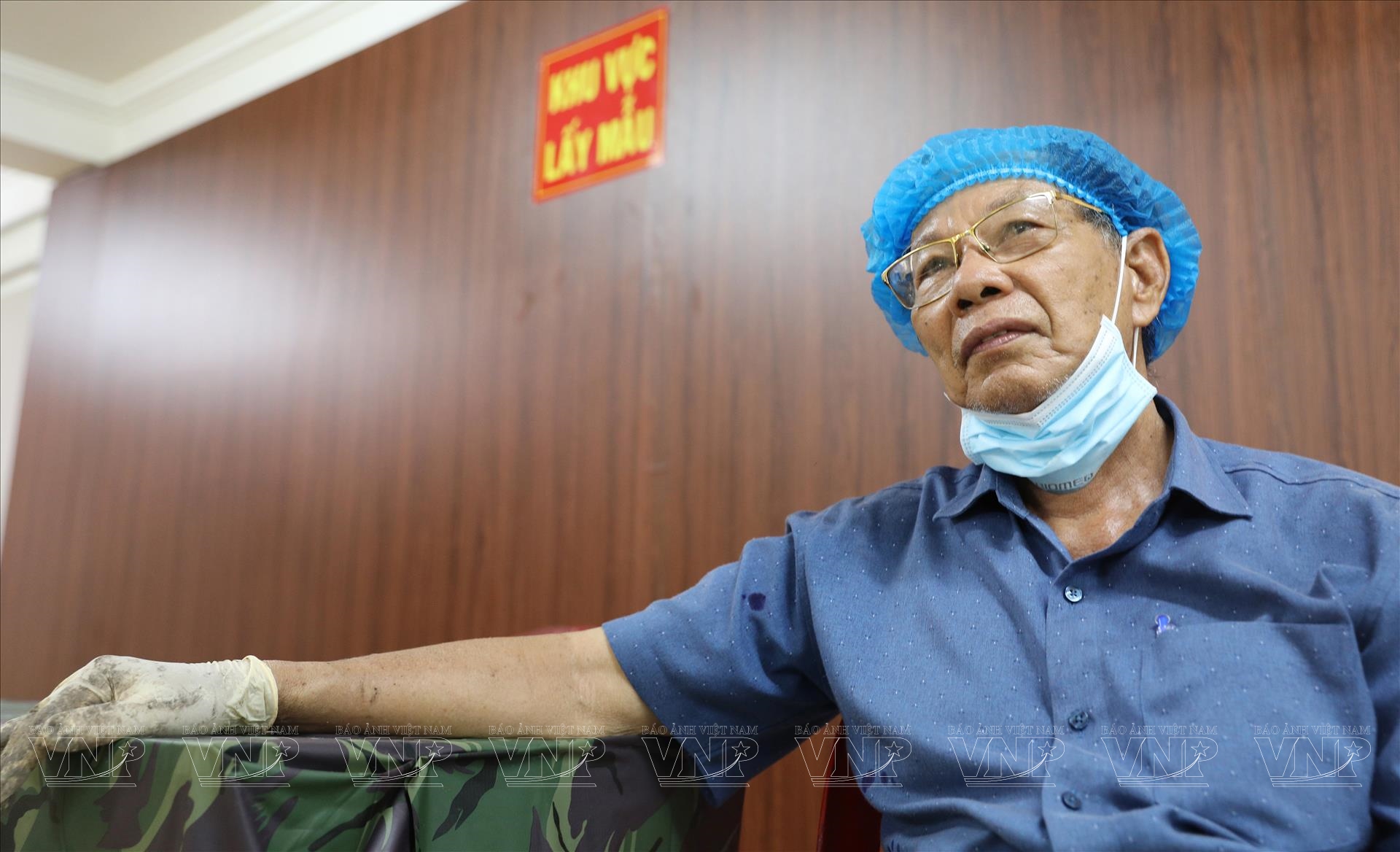
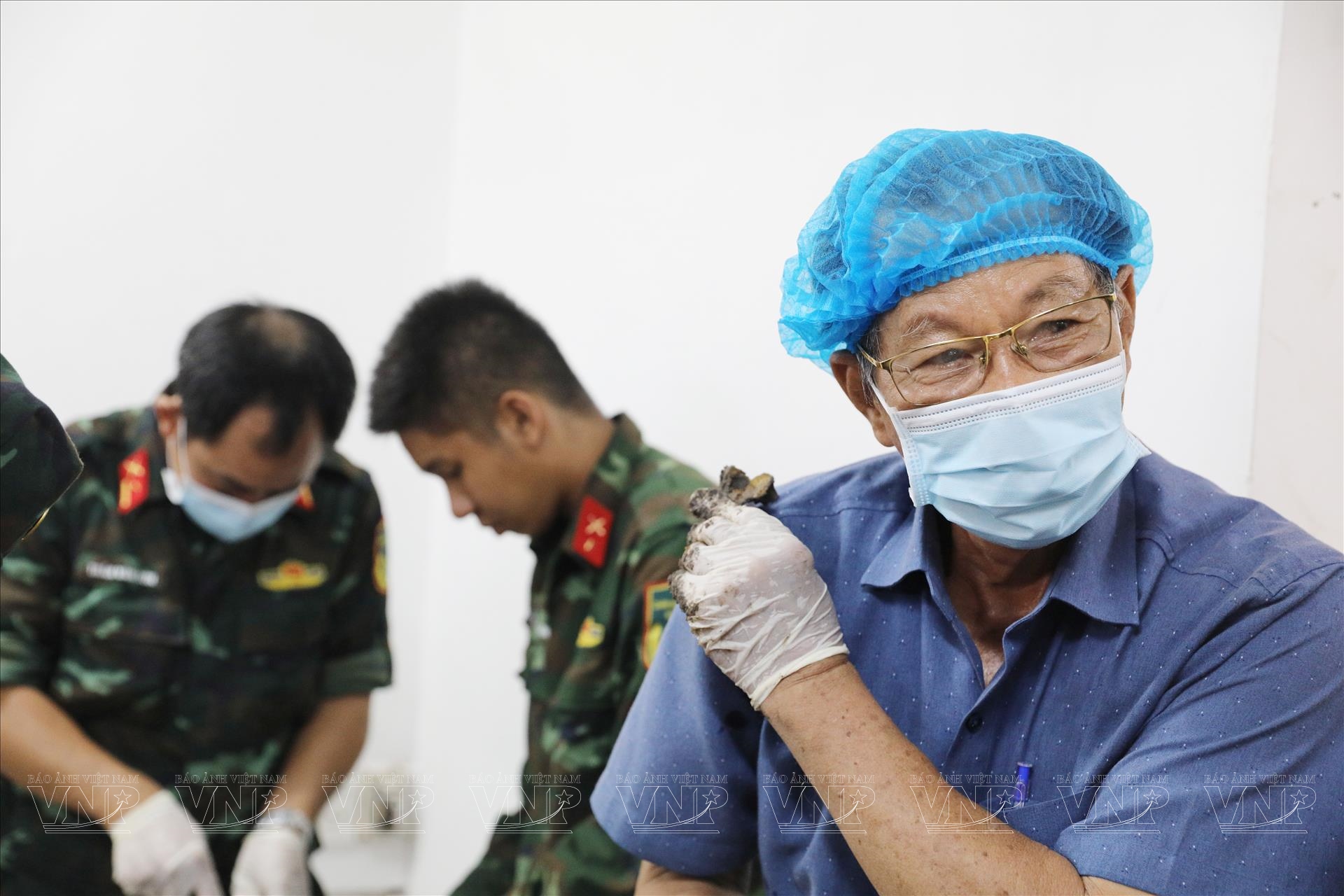
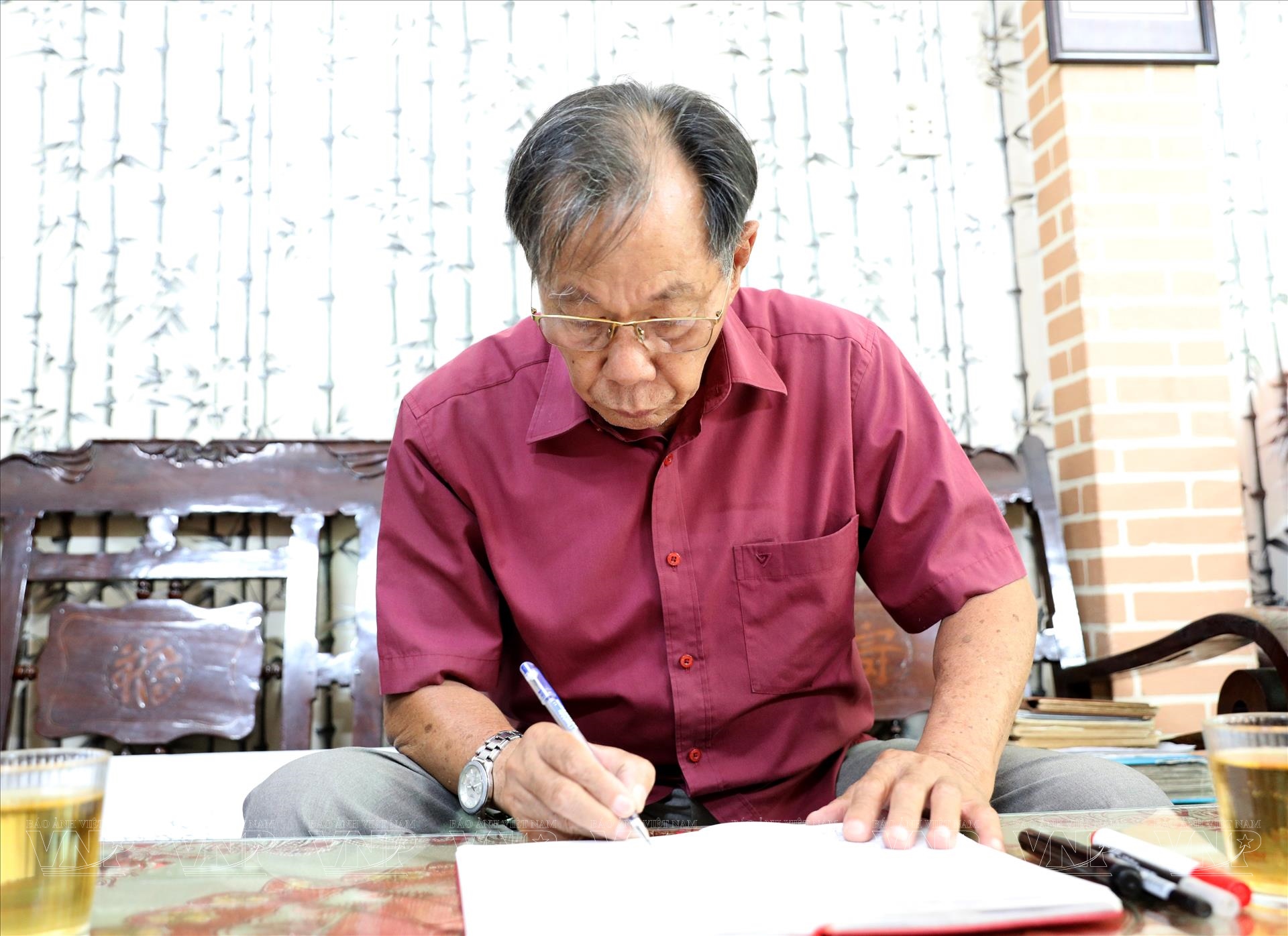
Ban believes the national 500-day campaign to search for, recover and identify fallen soldiers’ remains now presents valuable opportunities to bring back fallen soldiers. What concerns him most is the remains that cannot yet be identified. To him, there are no unknown soldiers, but soldiers whose names have yet to be identified.
After nearly 50 years, Ban’s early promise still drives him forward. Behind every fallen soldier is a waiting family, a longing mother and a life deserving to be named. Every set of remains identified means a comrade is brought home, ending his family’s decades-long agony of waiting./.
By Thong Hai/VNP