A Proud 50 Years of Innovation & Development
Half a century after bearing the name of President Ho Chi Minh, the country’s largest city has taken an impressive journey, transforming from a city scarred by war into a leading economic hub and a dynamic, modern megacity, becoming a symbol of Vietnam’s renewal and integration.
Resilience Through Hardship Aspiration for Growth
On July 2, 1976, at its first session, the sixth National Assembly of Vietnam passed a resolution renaming Saigon - Gia Dinh as Ho Chi Minh City. The historic decision not only showed the deep respect and affection for President Ho Chi Minh but also opened a new chapter of development for the largest urban center in the south.
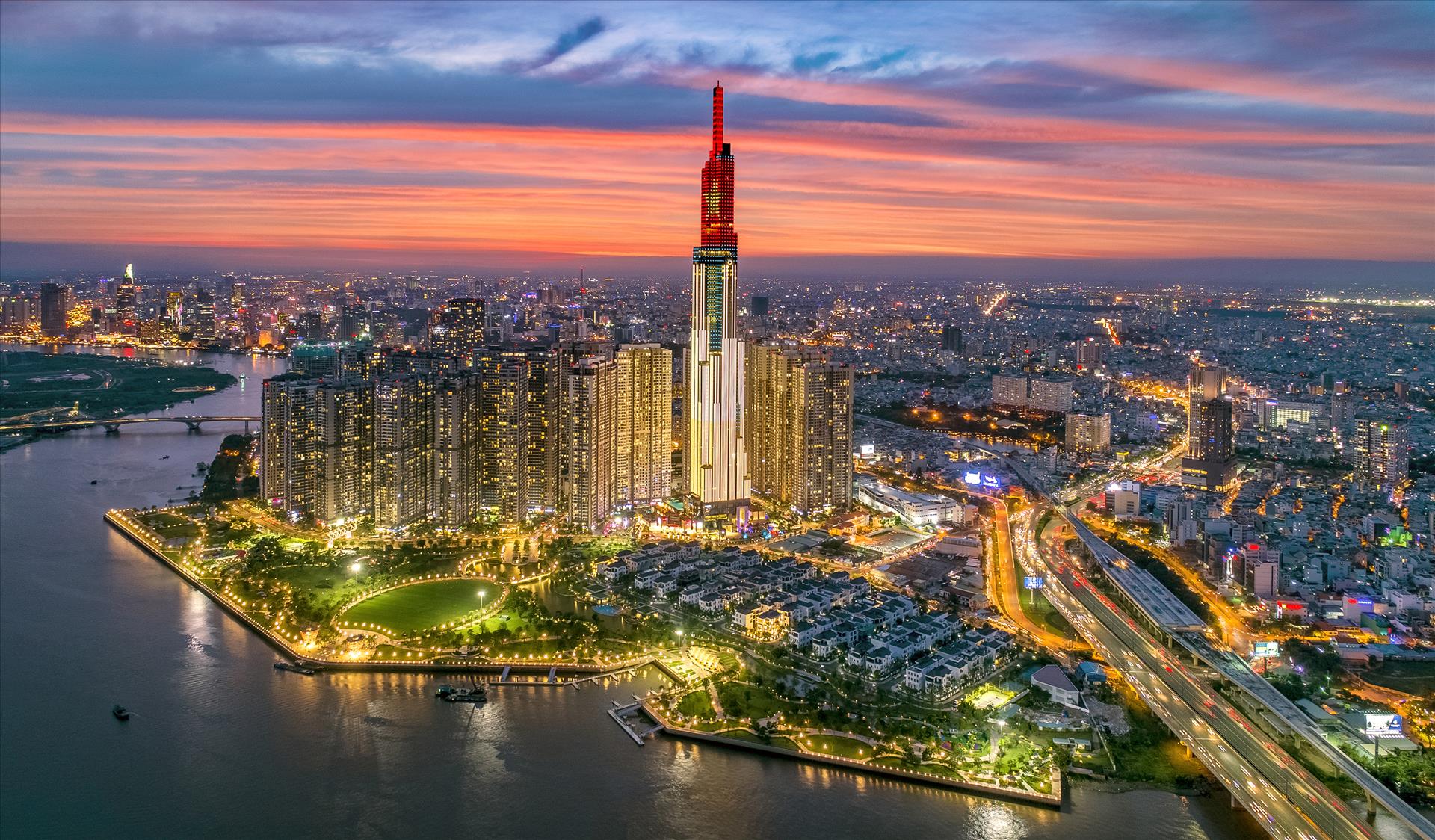
The years following the national reunification in 1975 were challenging, given a host of socioeconomic difficulties, from inflation, food shortage, unemployment to a war-damaged infrastructure. Yet, the city has overcome hardships, turning into a great construction site with major infrastructure projects that have reshaped the urban landscape and created strong momentum for growth.
Today, it continues to pioneer breakthrough development models under special mechanisms provided in the National Assembly’s revised Resolution No. 98.
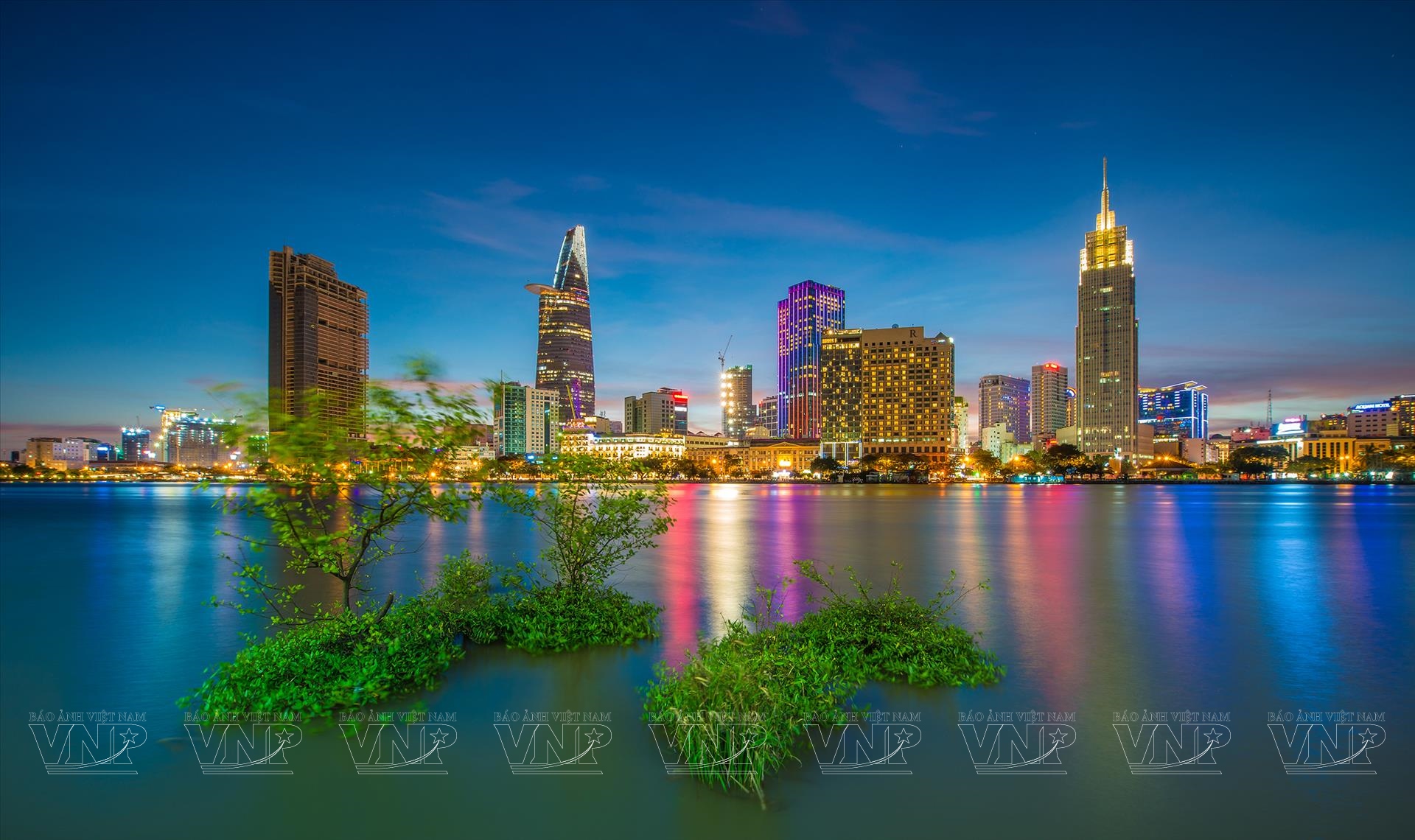
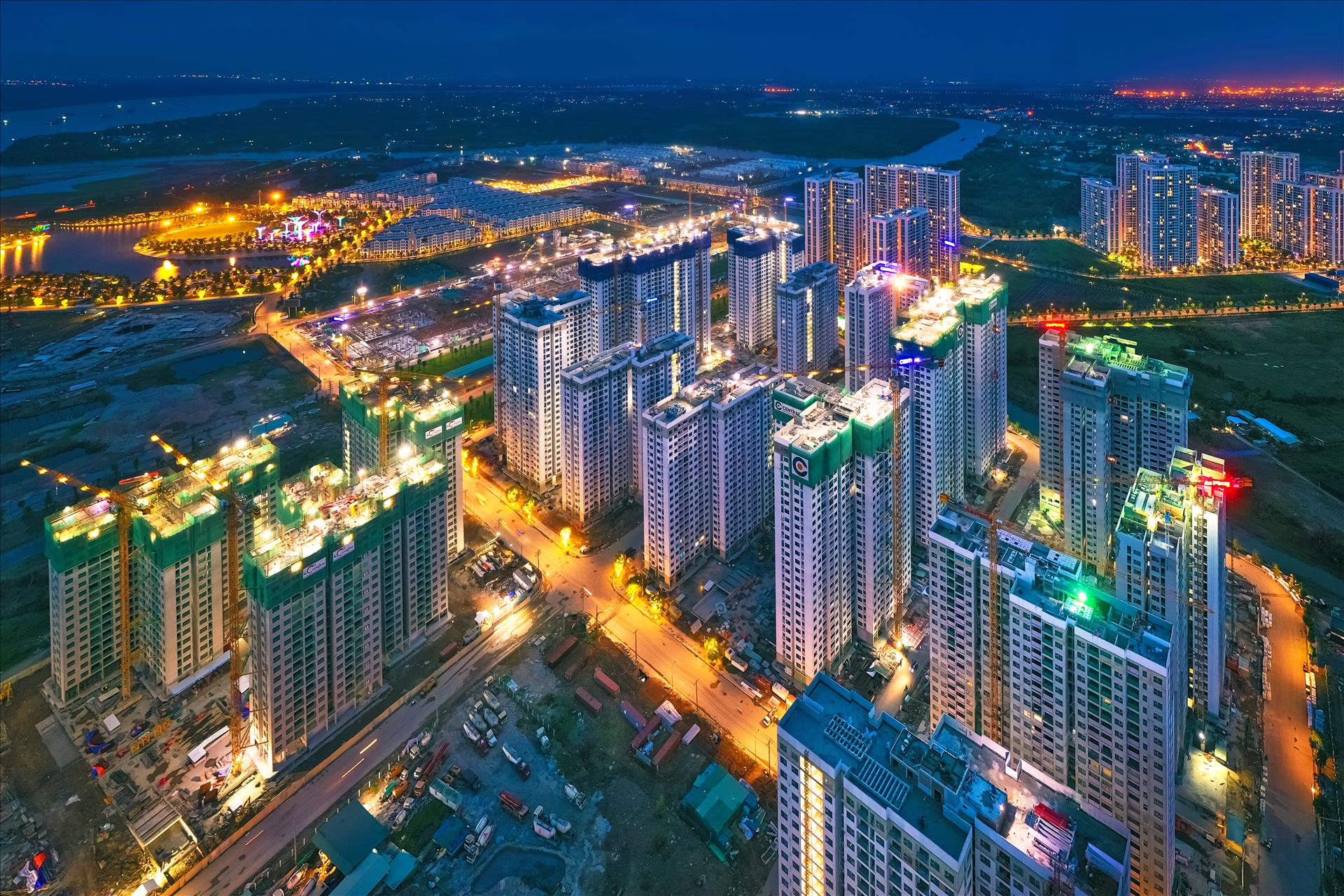
Following its administrative expansion, Ho Chi Minh City covers 6,772km2 with a population of 14 million and a workforce of 7.67 million. By 2030, it aims to become a modern and deeply integrated innovation hub with a prominent position in Southeast Asia. By 2045, the city envisions being among the world’s top 100 most livable cities, and a leading economic, financial, service, education, health center in Asia, and a globally attractive destination imbued with cultural identity.
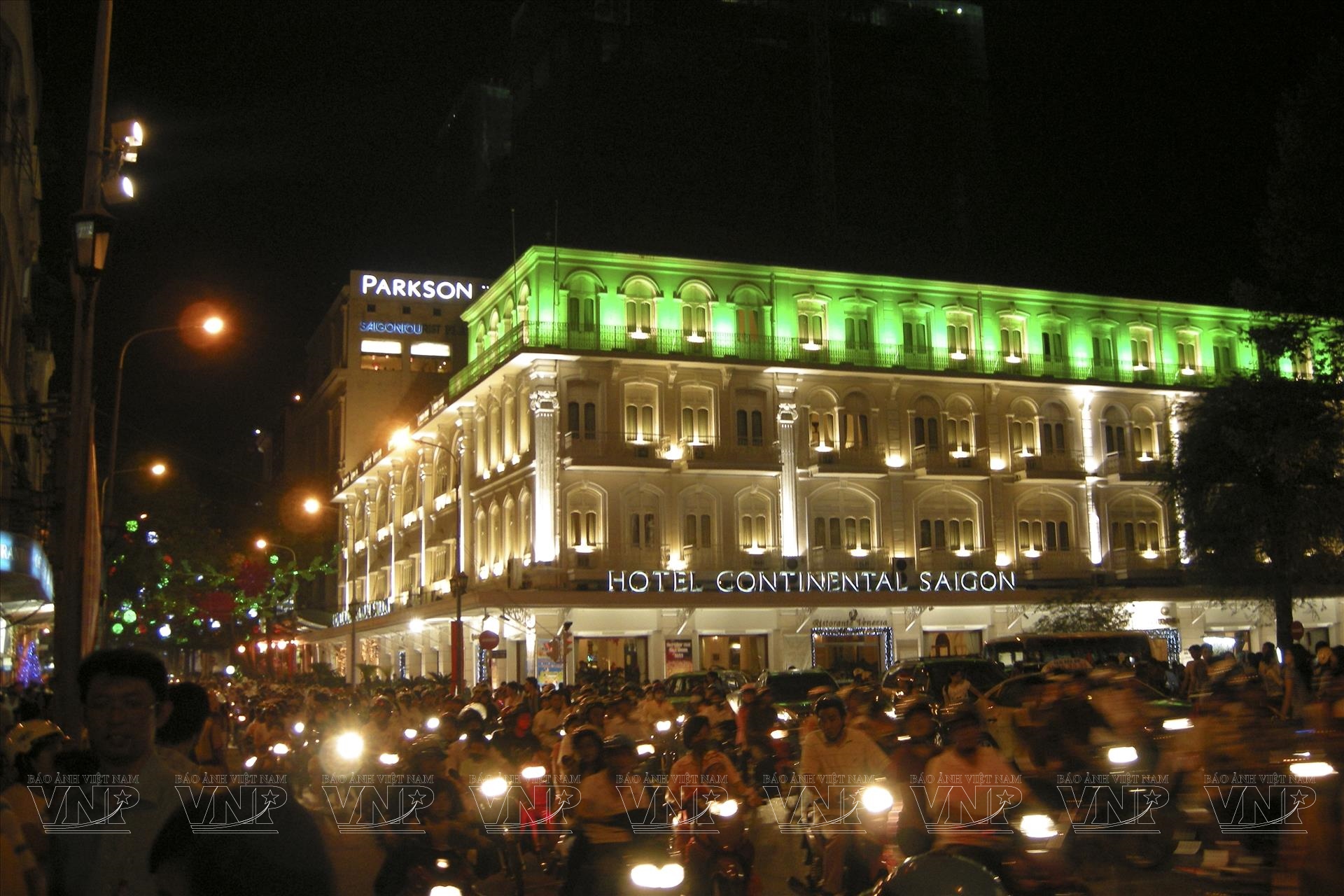
On April 29, the city broke ground four large projects, the Central Square and Administrative Center; Metro Line 2 connecting Ben Thanh and Thu Thiem; the International University Urban Area, and the Ben Nha Rong - Khanh Hoi Park, forming a megacity with a population of more than 14 million.
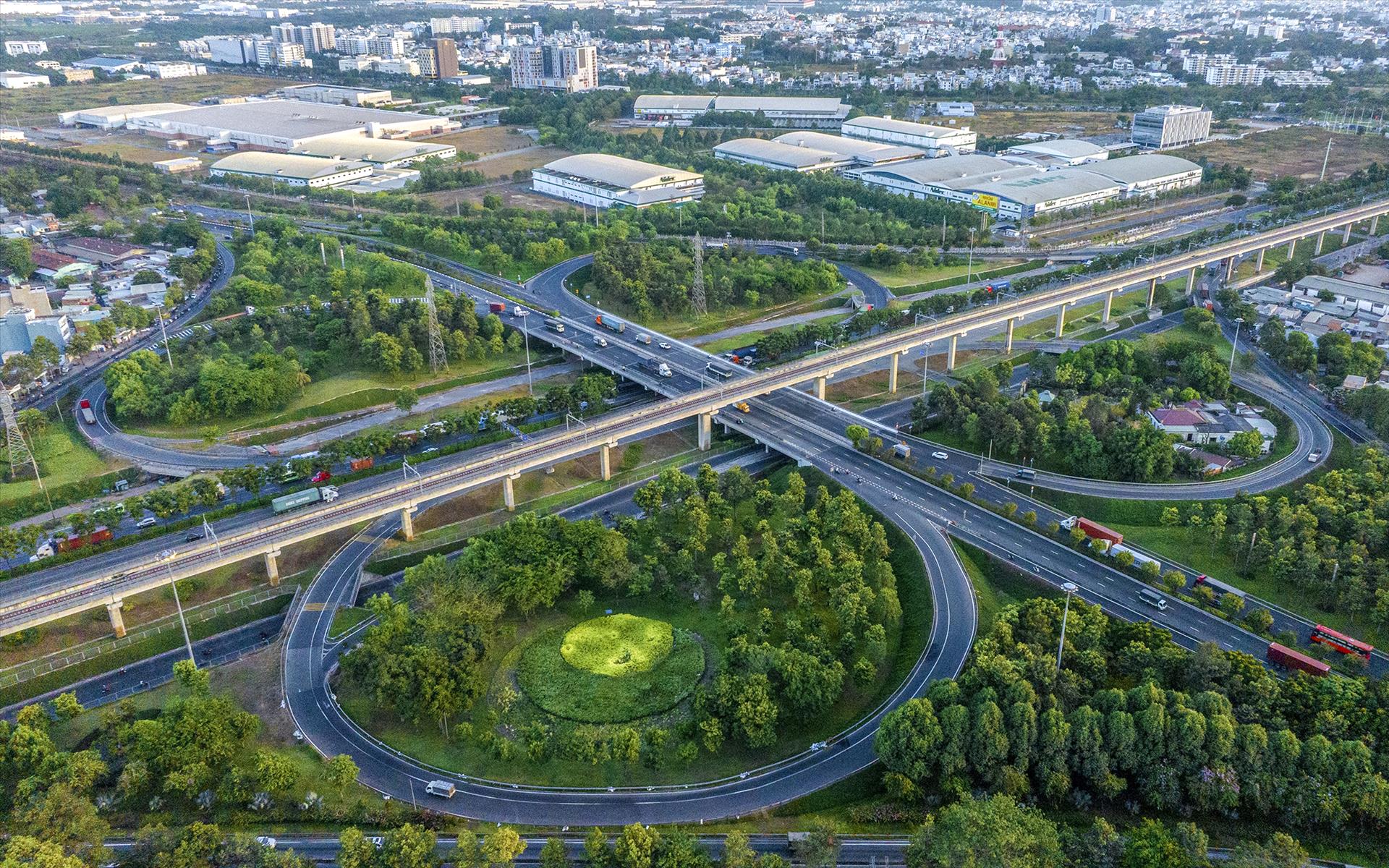
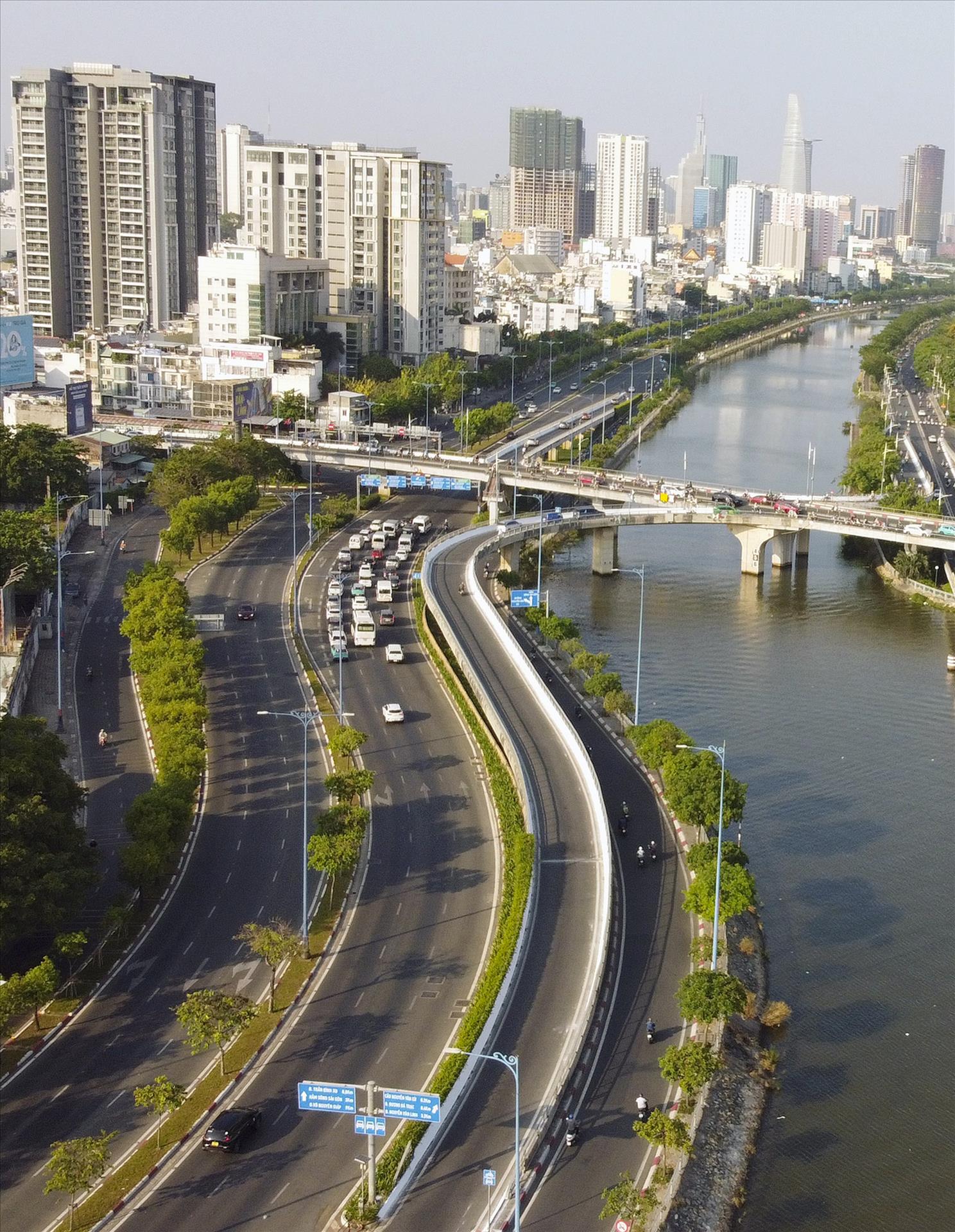
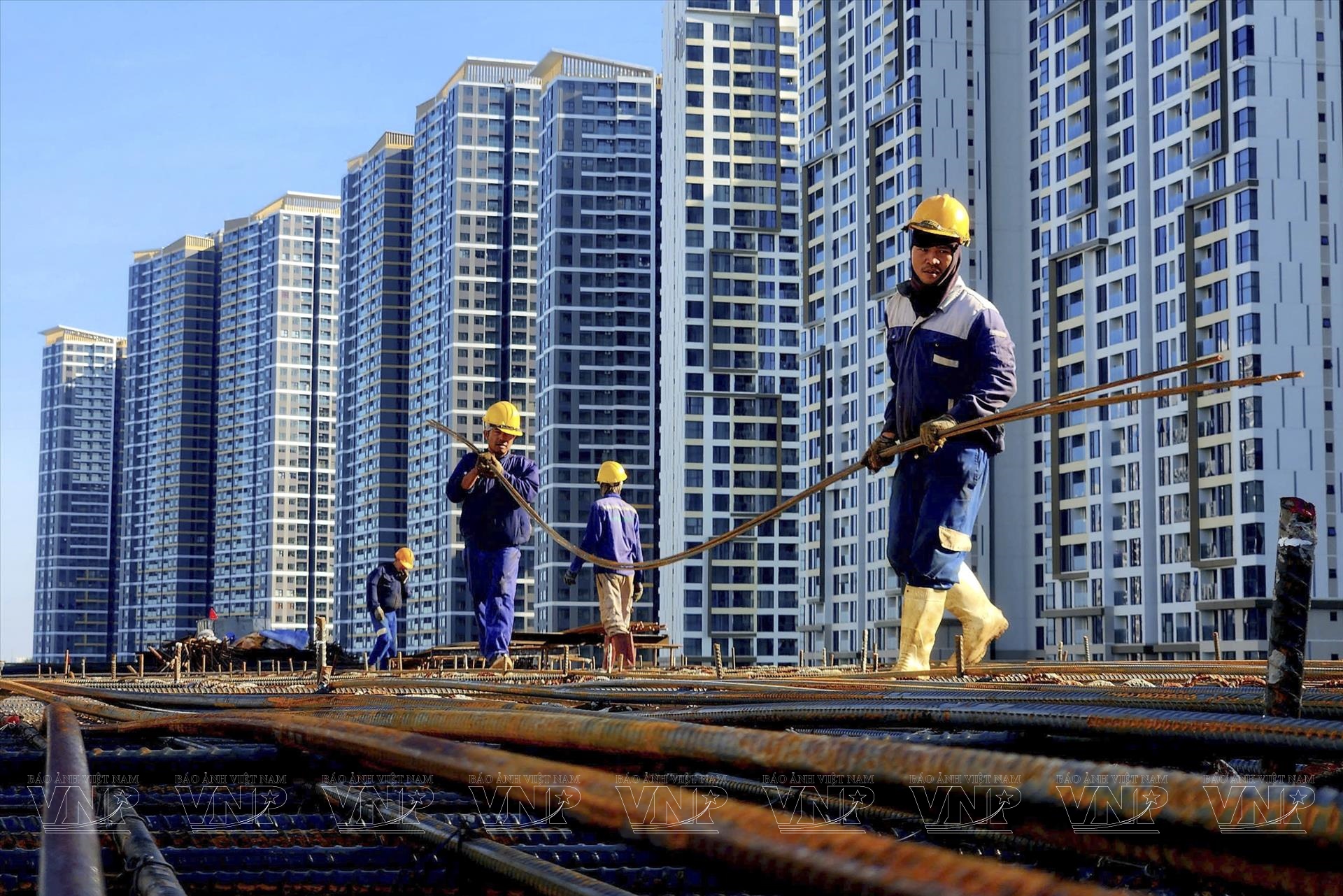
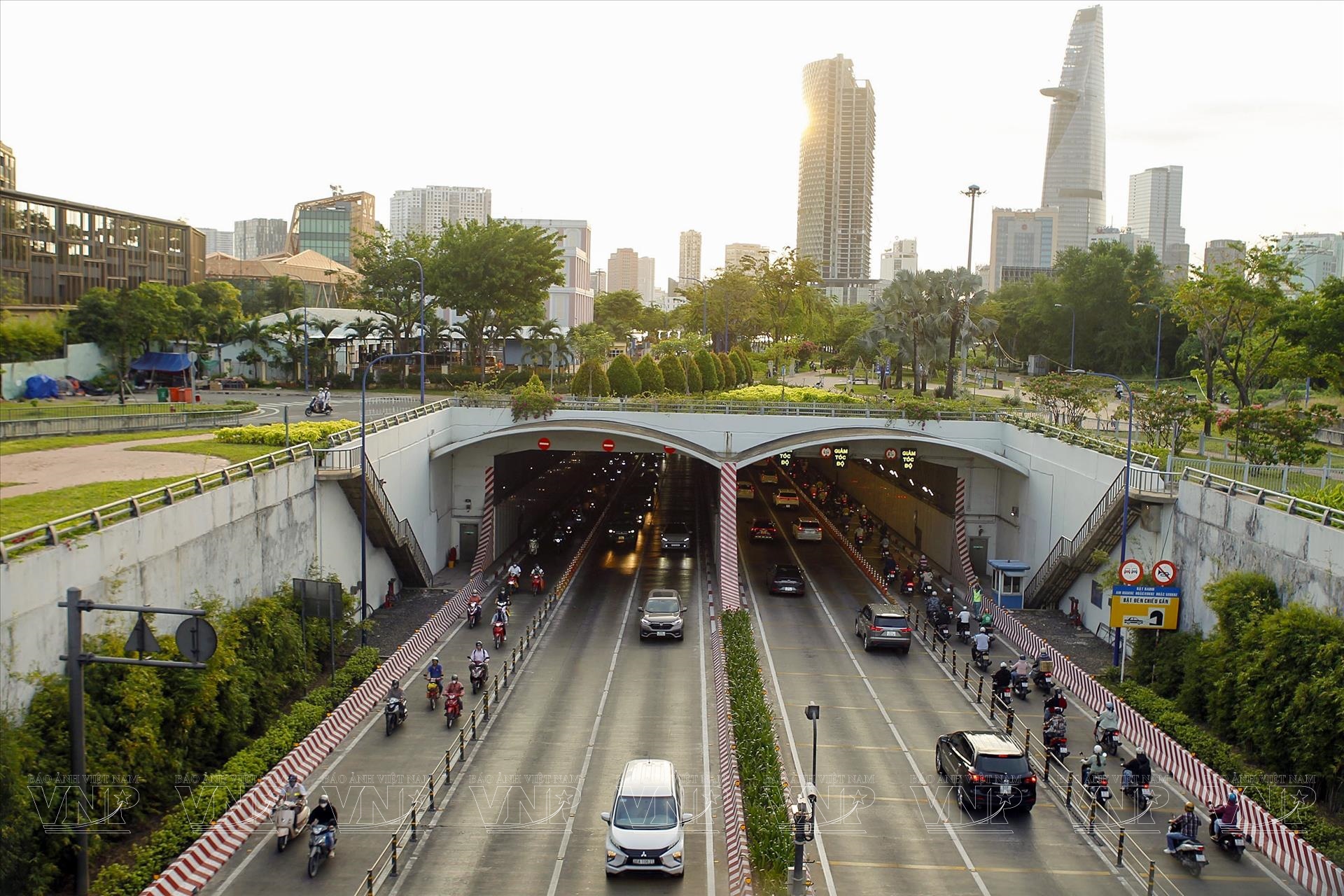
Speaking at the groundbreaking ceremony, Chairman of the Ho Chi Minh City People’s Committee Nguyen Van Duoc emphasized that the projects would help build a regional and international megacity, featuring modern and transparent governance, integrated public transit networks, and a cultural institution that harmonizes contemporary development with historical and cultural values.
A Livable Megacity
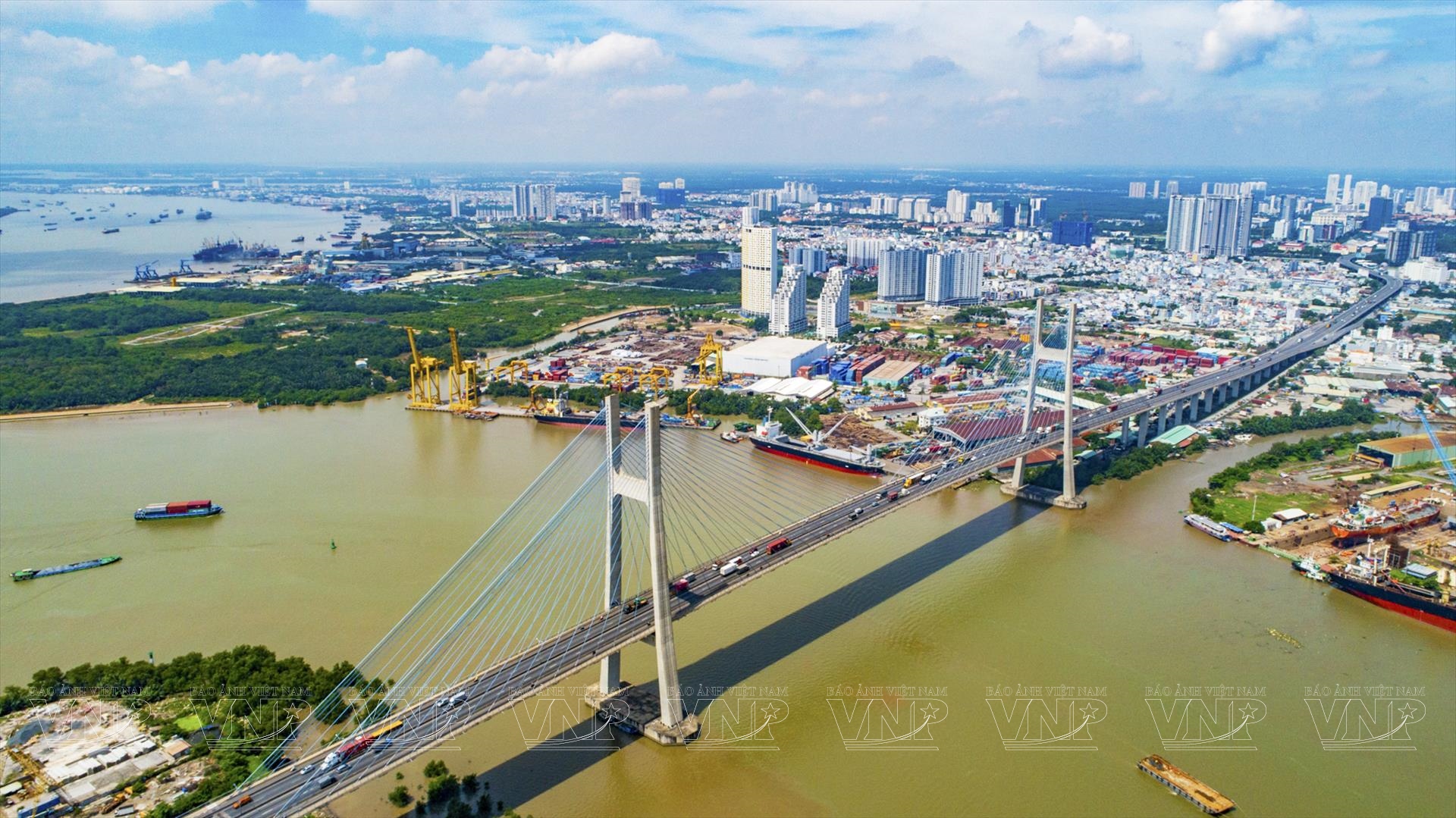
After 50 years, Ho Chi Minh City has transformed from a crowded and aging urban area into a modern and dynamic metropolis, defined by skyscrapers, wide boulevards, and architecturally original bridges spanning the Saigon River.
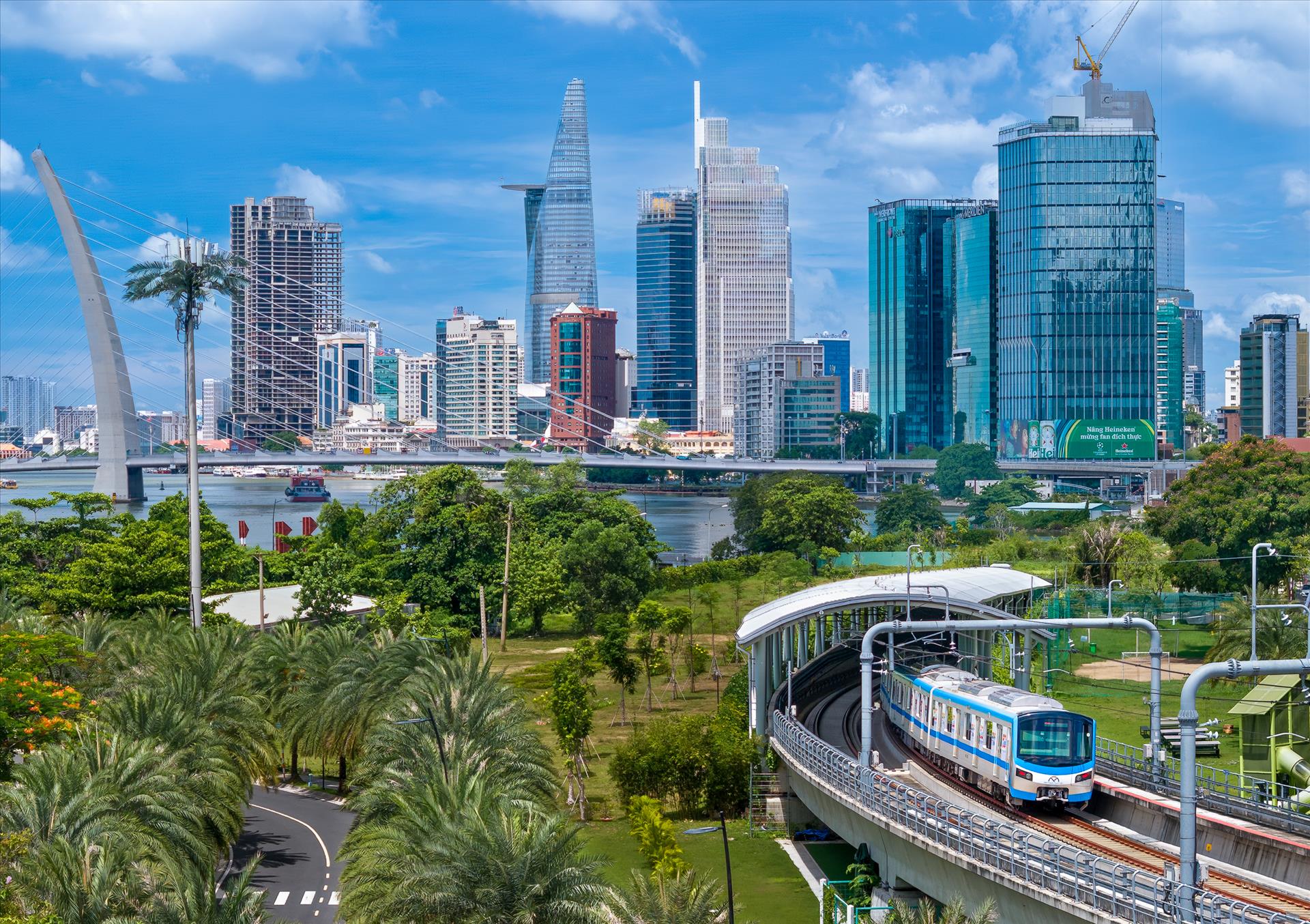
This transformation can be seen in iconic architectural landmarks such as the Bitexco Financial Tower, designed in the shape of a lotus bud symbolizing the aspiration for growth from the early years of Doi Moi (renewal) and Landmark 81, one of the world’s tallest buildings, representing the will, strength, and prosperity of a modern Vietnam.
The city’s fast development is also shown in its transport infrastructure. With more than 4,000km of roads and hundreds of bridges, Ho Chi Minh City has steadily expanded its urban space and enhanced regional connectivity. Major constructions like Vo Van Kiet, Nguyen Van Linh and Pham Van Dong Boulevards; the Thu Thiem Tunnel; and Ba Son and Phu My Bridges are familiar landmarks in the city.
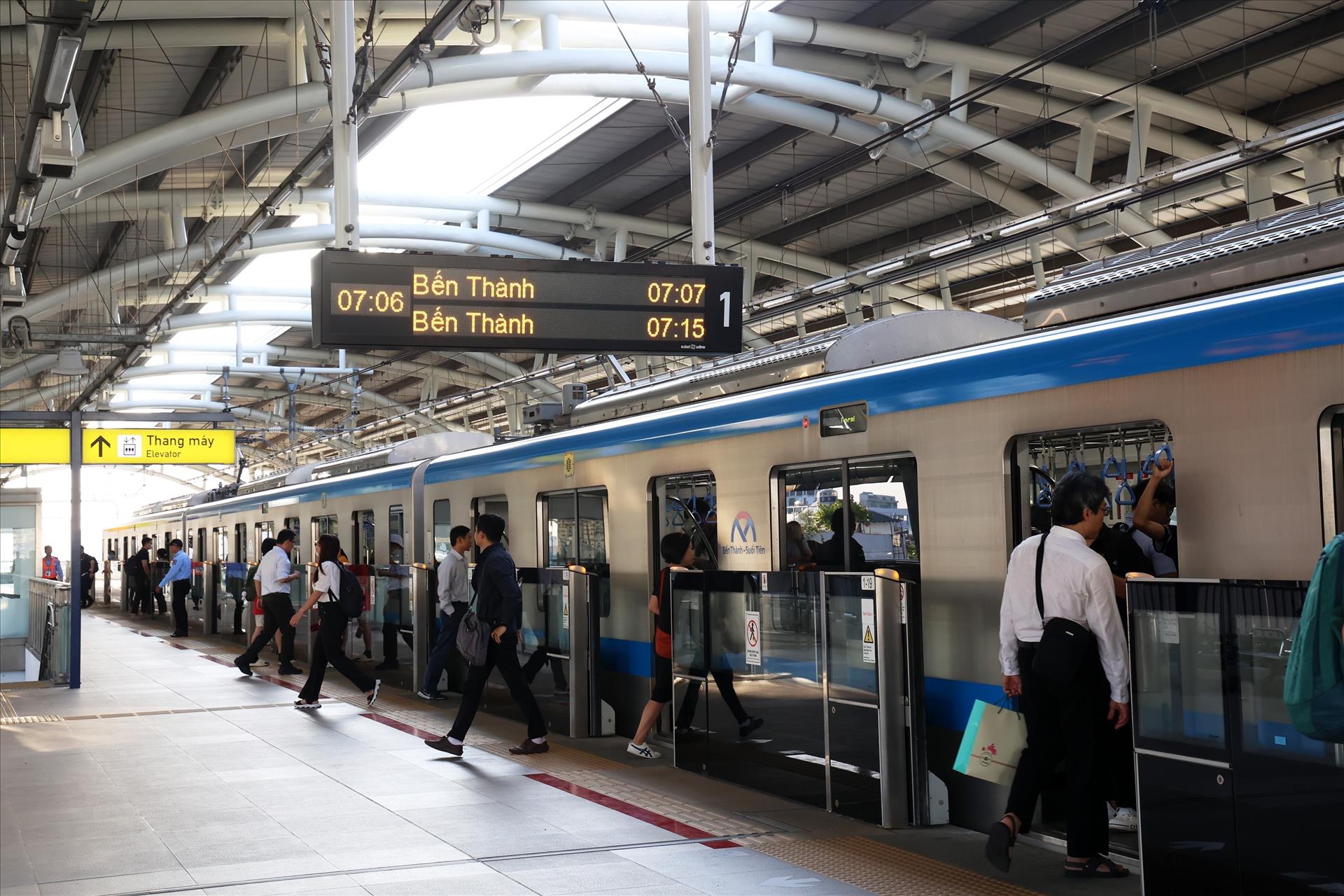
On the other hand, Metro Line 1 connecting Ben Thanh and Suoi Tien marks a significant change in the modernization of public transport. Beyond reducing travel time, the metro helps shape a greener and environmentally friendly lifestyle.
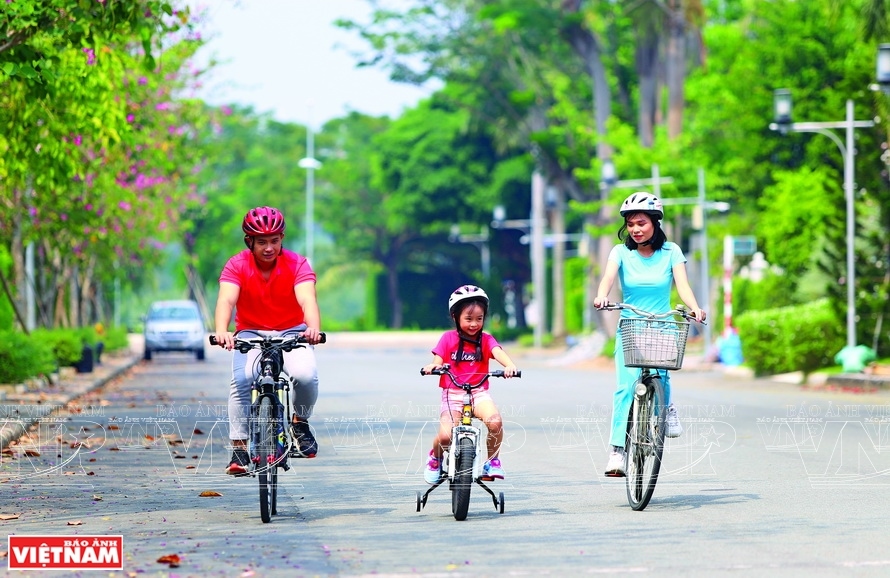
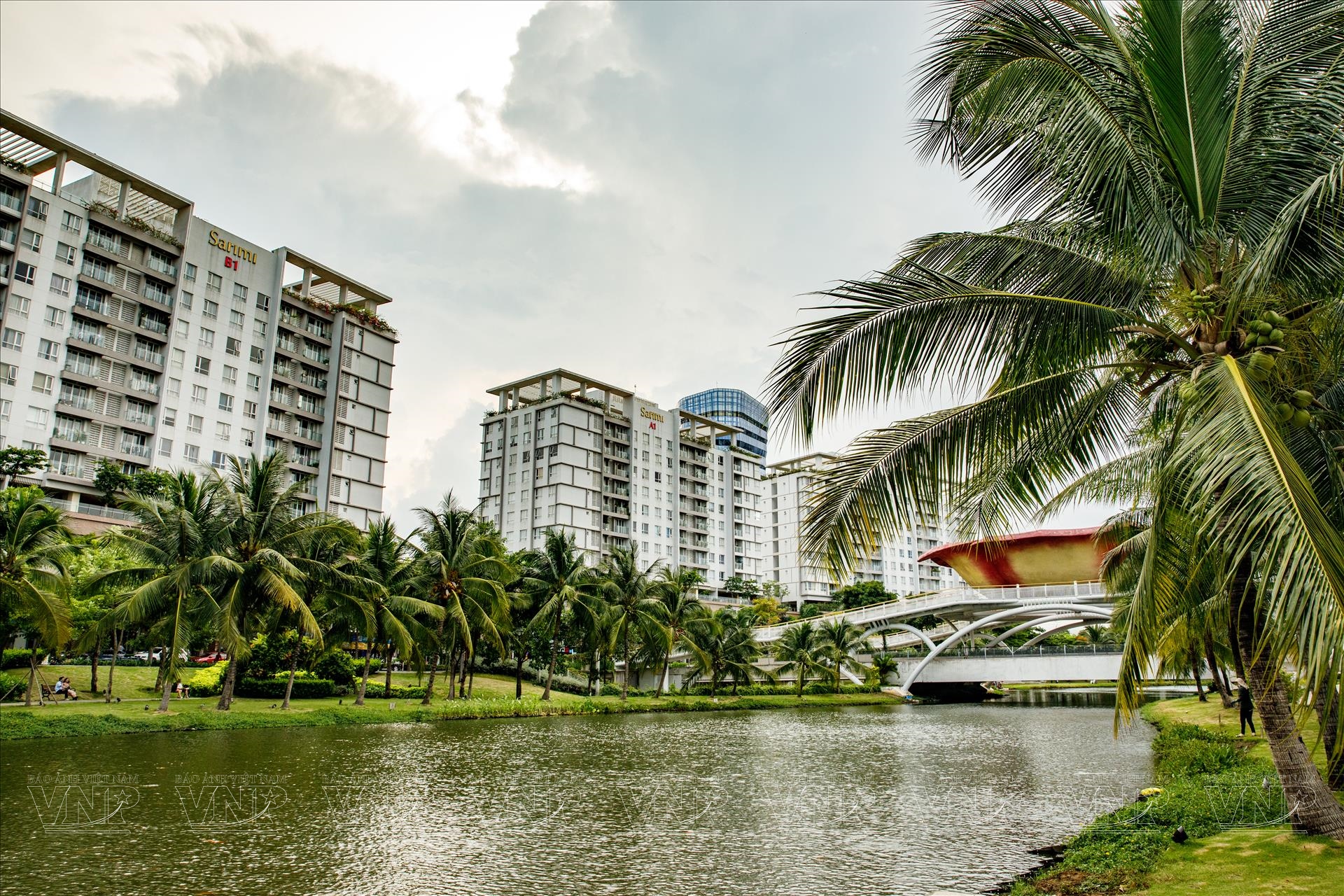
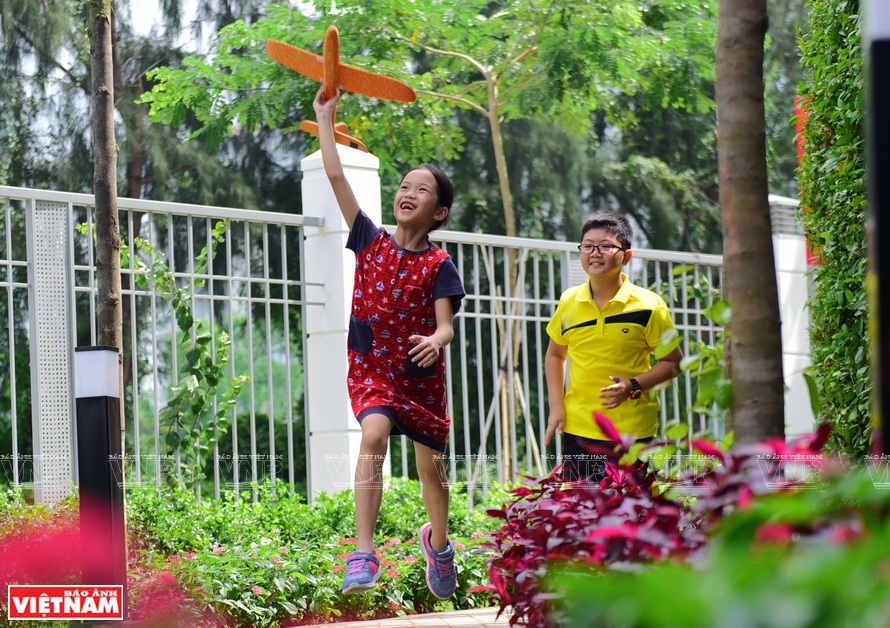
Alongside infrastructure expansion, the city has invested heavily in canal upgrades, urban renovation, relocation of temporary riverside housing, and development of public green space, reflecting a vision for people-centered sustainable development.
Its merger with Binh Duong and Ba Ria - Vung Tau from July 1, 2025 has created more room for Ho Chi Minh City to grow into a multi-center megacity and a leading hub for finance, science and technology, innovation, smart logistics, and a digital and green economy.

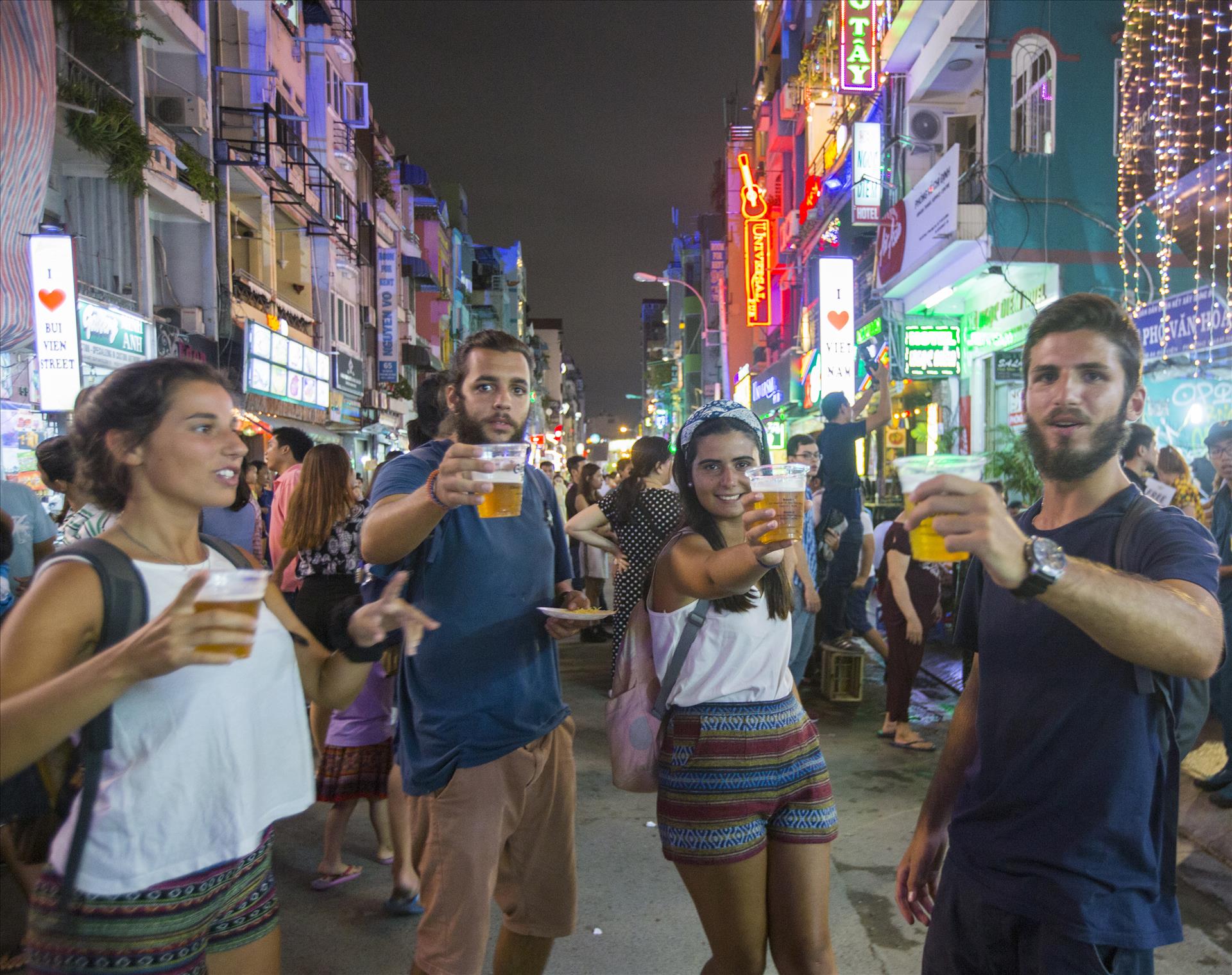
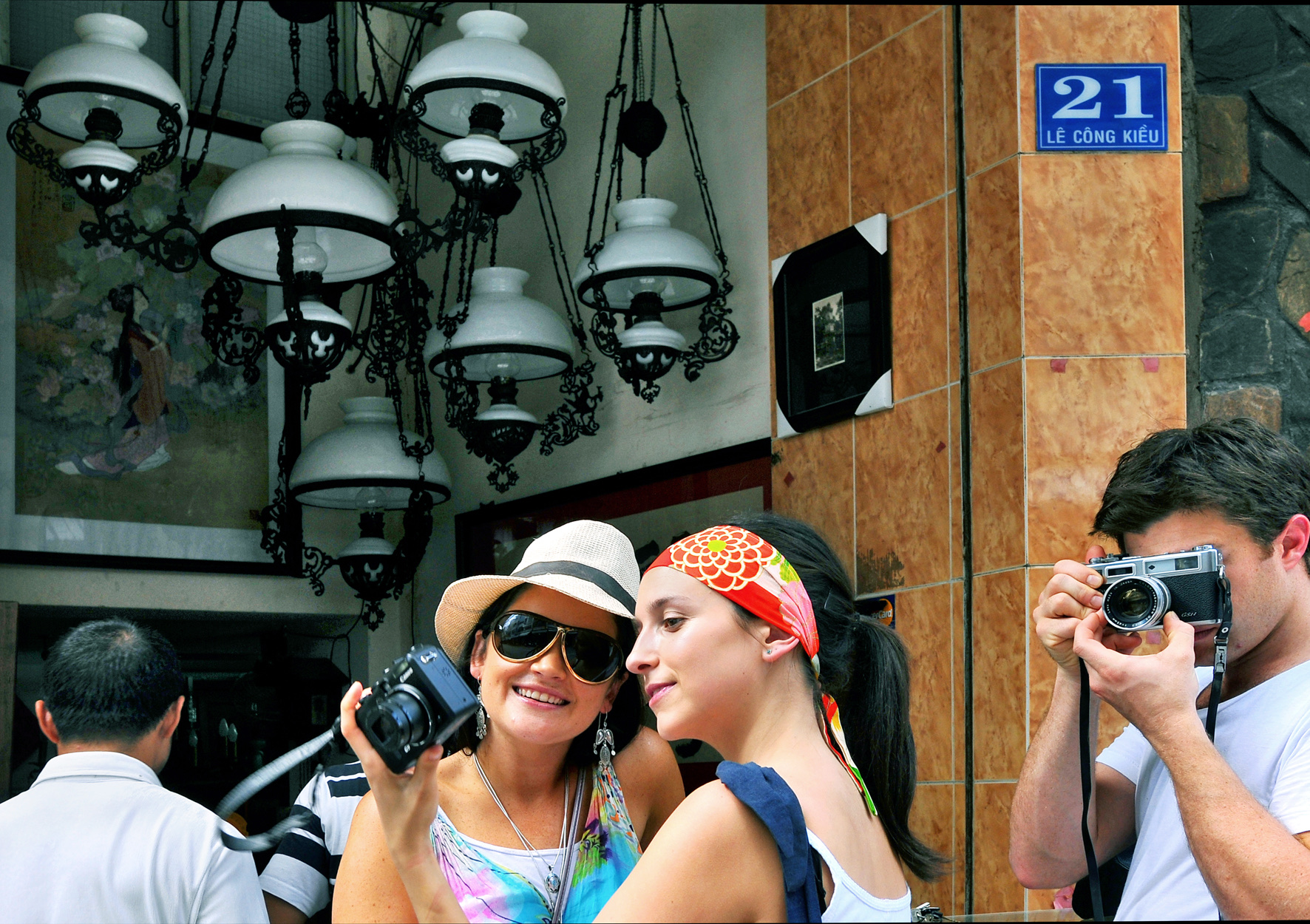
The city’s transformation is visible not only in modern infrastructure but also in everyday life. Sitting at a riverside café overlooking the constantly changing city center, Nguyen Van Hai, 75, reflected on the changes he has witnessed.
“Anyone who has lived here after 1975 can truly value today’s changes. People’s lives are much better now, job opportunities are greater, and the cultural life is richer and more diverse. The city is not only more prosperous, but has also preserved its spirit of kindness, generosity, and hospitality. I feel fortunate and proud to have witnessed 50 years of its renewal,” he said.
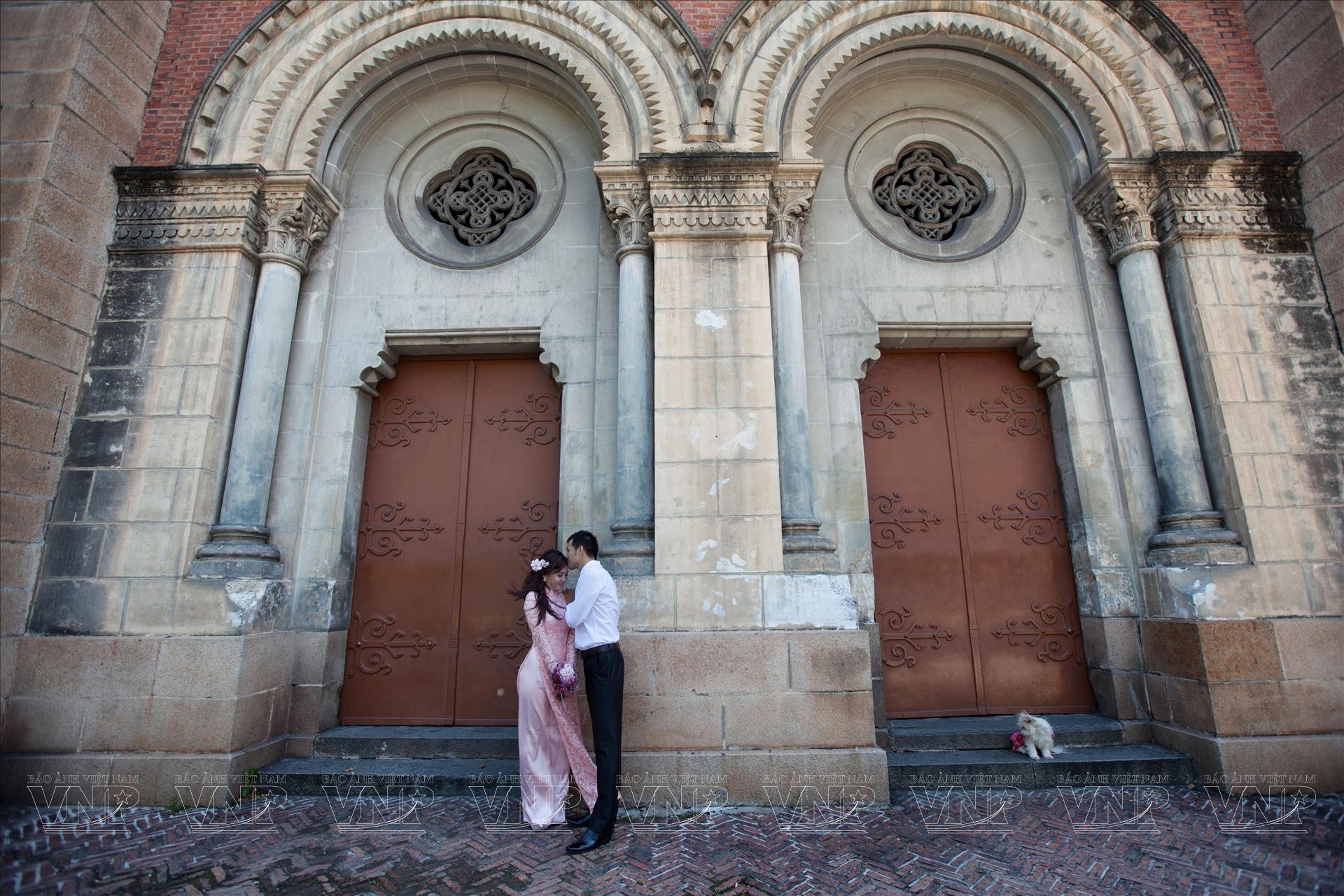
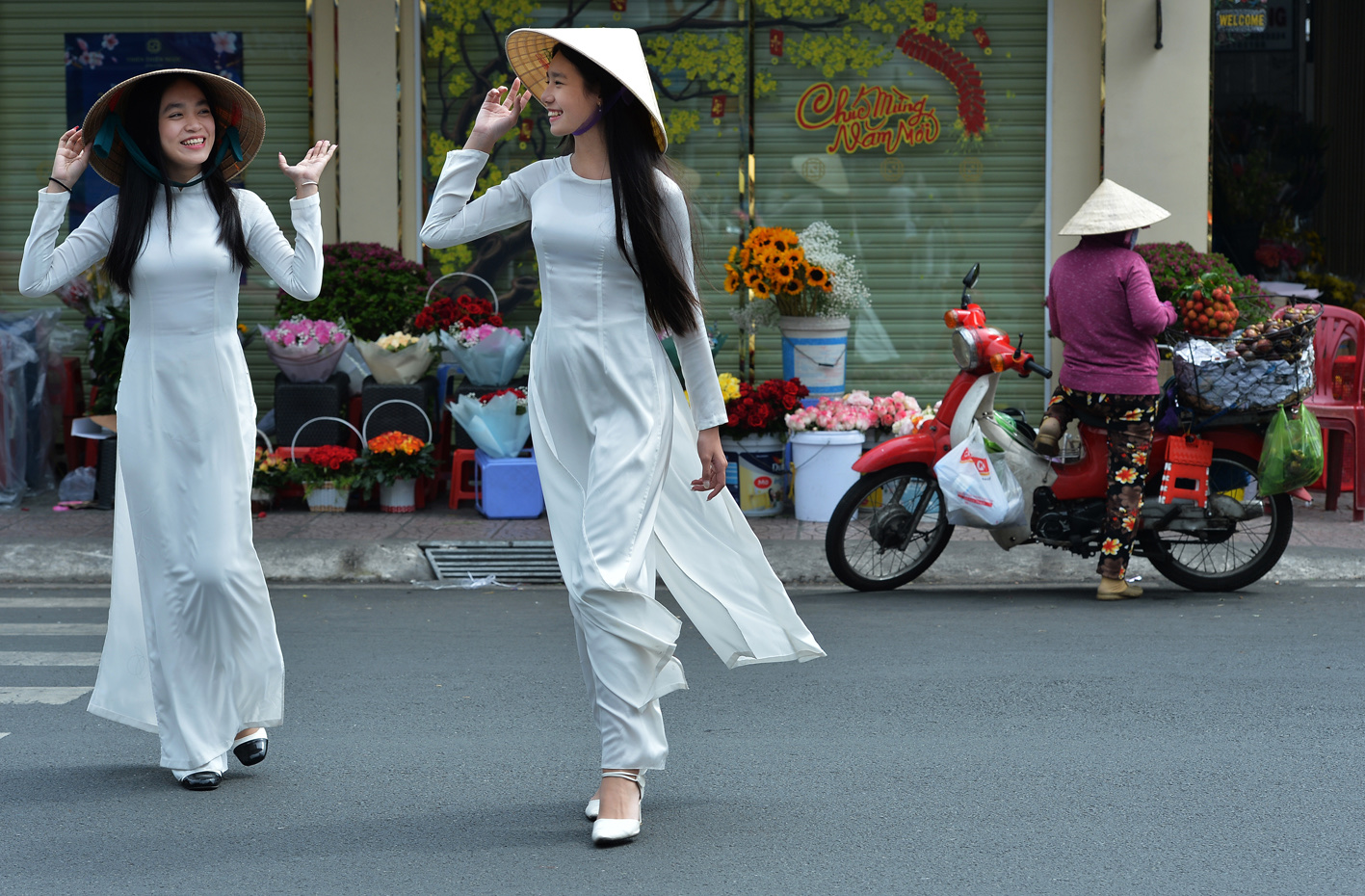
Half a century proudly bearing President Ho Chi Minh’s name, the city is writing a new chapter defined by resilience, intellect, creativity, and aspiration. Along the banks of the Saigon River, a new skyline continues to rise from the historic neighborhoods for a moving-forward megacity- the heart of economy, innovation, and creativity of Vietnam.
Story: Son Nghia
Photos: Le Minh, Nguyen Luan, Thong Hai/VNP,
Tran The Phong, Giang Son Dong, Tran Le Huy & VNA