A Major Shift in FDI Strategy
Political Bureau’s Resolution No. 10-NQ/TW of June 8, on developing the foreign-invested economic sector, is not only an extension of Viet Nam’s open-door policy but also a major shift in its FDI strategy that sets foreign investment as a key driver for the country’s new growth model.
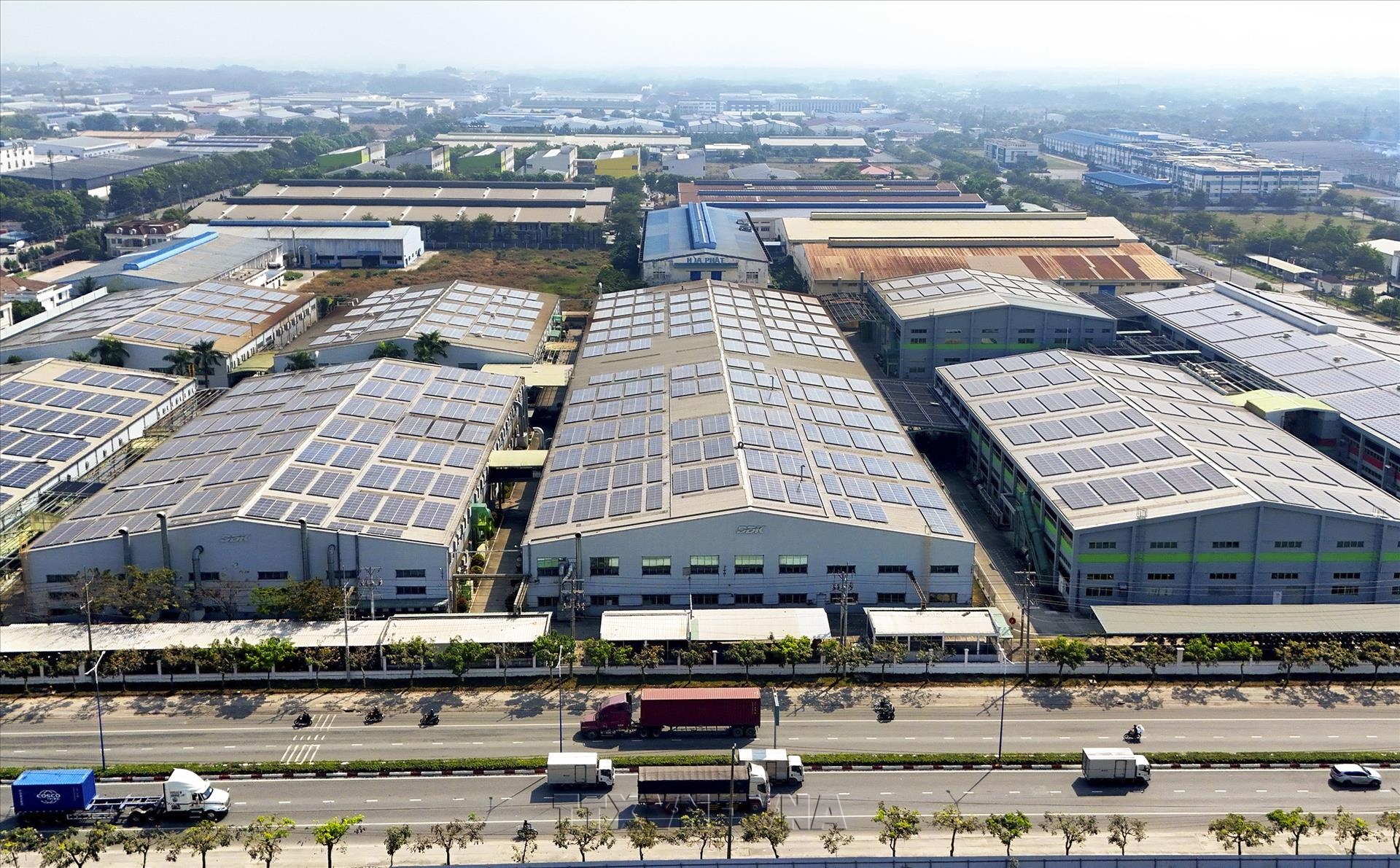
After 40 years of Doi Moi (Renewal), the foreign-invested sector has become an important part of the national economy. However, its quality and efficiency have yet to match its potential. Many projects remain labor- and land-intensive, have low local contents and hardly connect with domestic businesses.
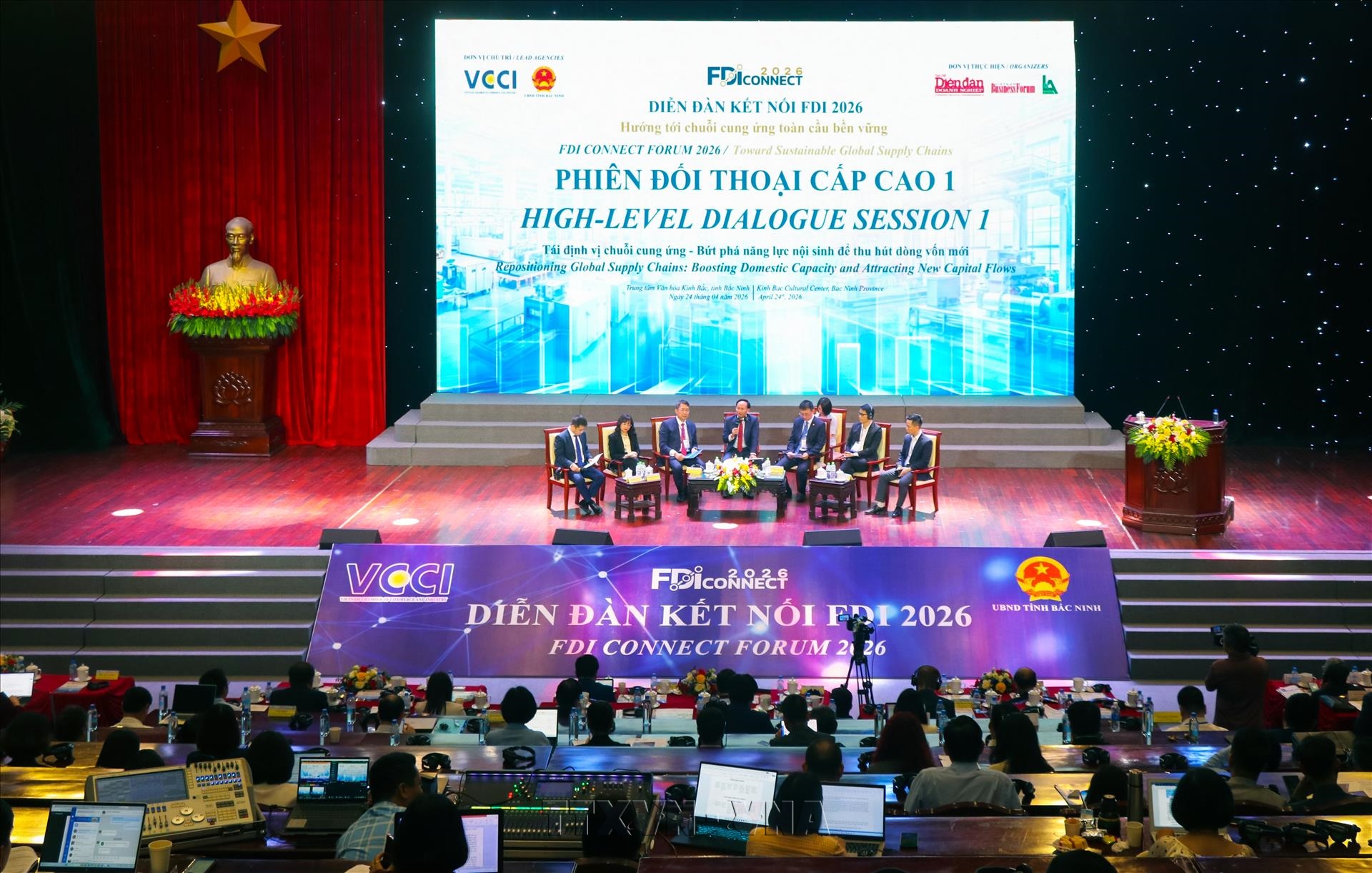
As Viet Nam accelerates digital and green transformations and enhances its strategic autonomy, Resolution No. 10-NQ/TW marks a major change in its mindset in attracting foreign investment which now must be aligned closely with the country’s broader development strategy. The focus is shifting from simply attracting capital to using foreign investment to build national strategic investment foundations, and from a project-byproject approach to building industry clusters, value chains and innovation ecosystems.
The criteria for selecting FDI projects have also changed, focusing on next- generation FDI, with quality, efficiency, technological content and stronger links with domestic businesses as key criteria.
KEY TARGETS SET BY RESOLUTION NO. 10-NQ/TW
2026 - 2030
About 200-300 billion US dollars registered in foreign investment
75% of foreign investment from developed economies that are technologically, financially strong and have advanced governance
Number of Fortune 500 companies operating in Vietnam up by 30%
Rate of key industries’ local contents up by 45-50%
At least three leading global technology groups establishing R&D centers in Viet Nam
2045
FDI accounting for about 25% of total social investment
FDI contributing to around 30% of GDP
FDI contributing to making Vietnam a developed, high-income country
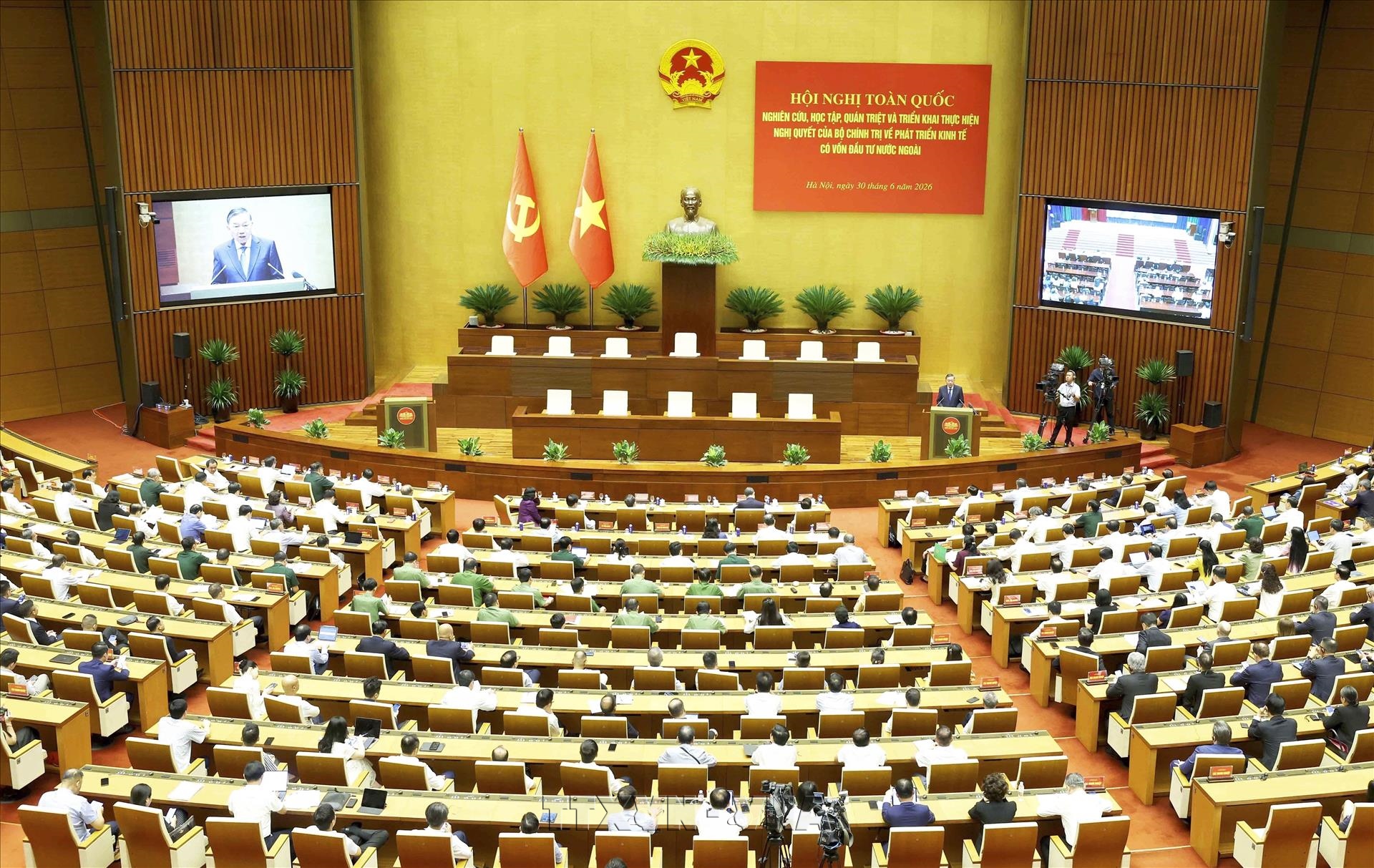
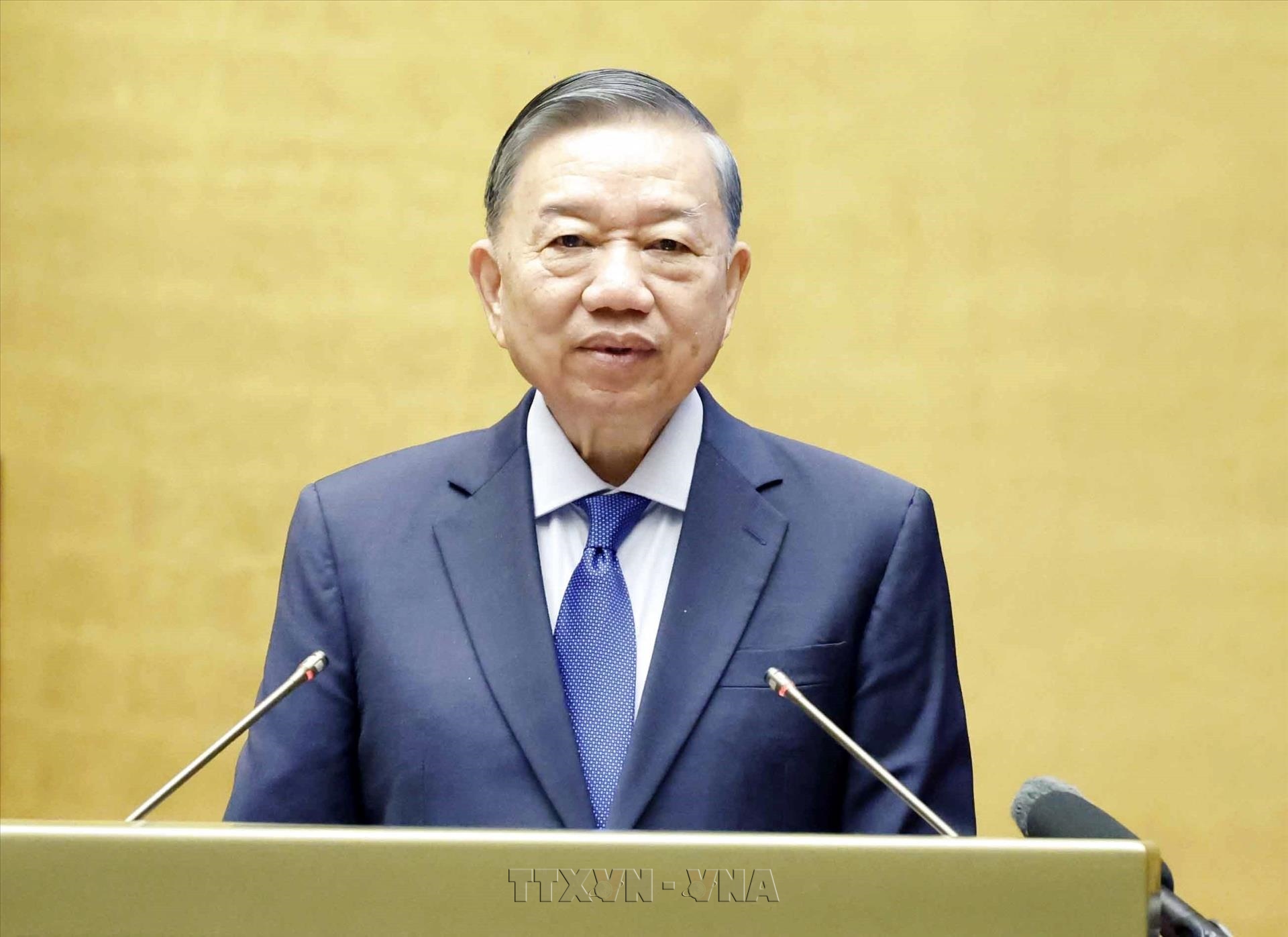
Addressing a national conference to study and implement Resolution No. 10-NQ/TW in June, Party General Secretary and President To Lam stressed the need to build a common understanding, and drastically change the thinking, about foreign investment.
The foreign-invested sector plays an important part in the national economy and should cooperate, compete fairly and develop together with the state, private and cooperative sectors. Viet Nam will create favorable conditions for capable, responsible businesses with advanced technology and longterm commitments to invest and operate successfully in the country.
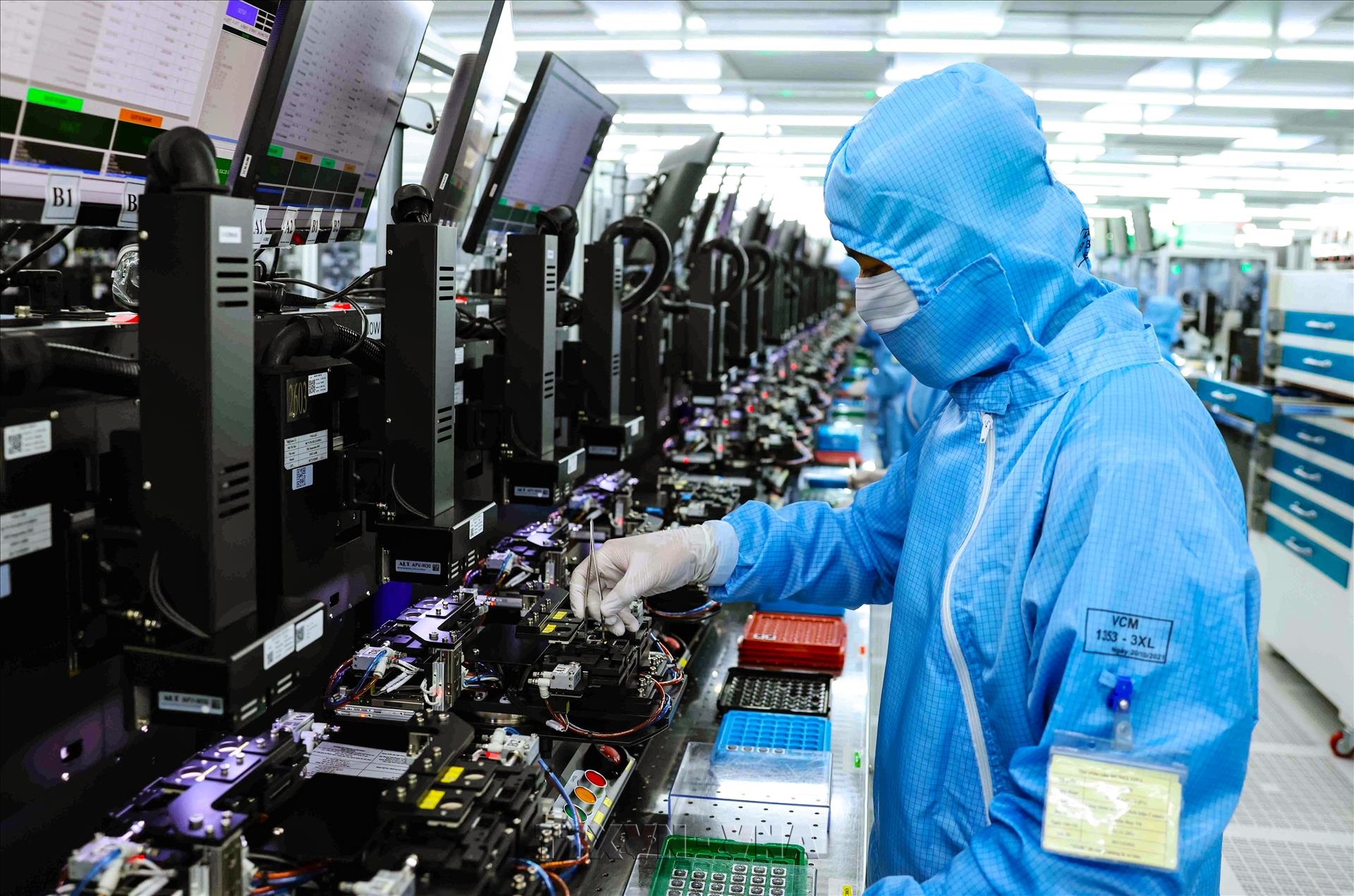
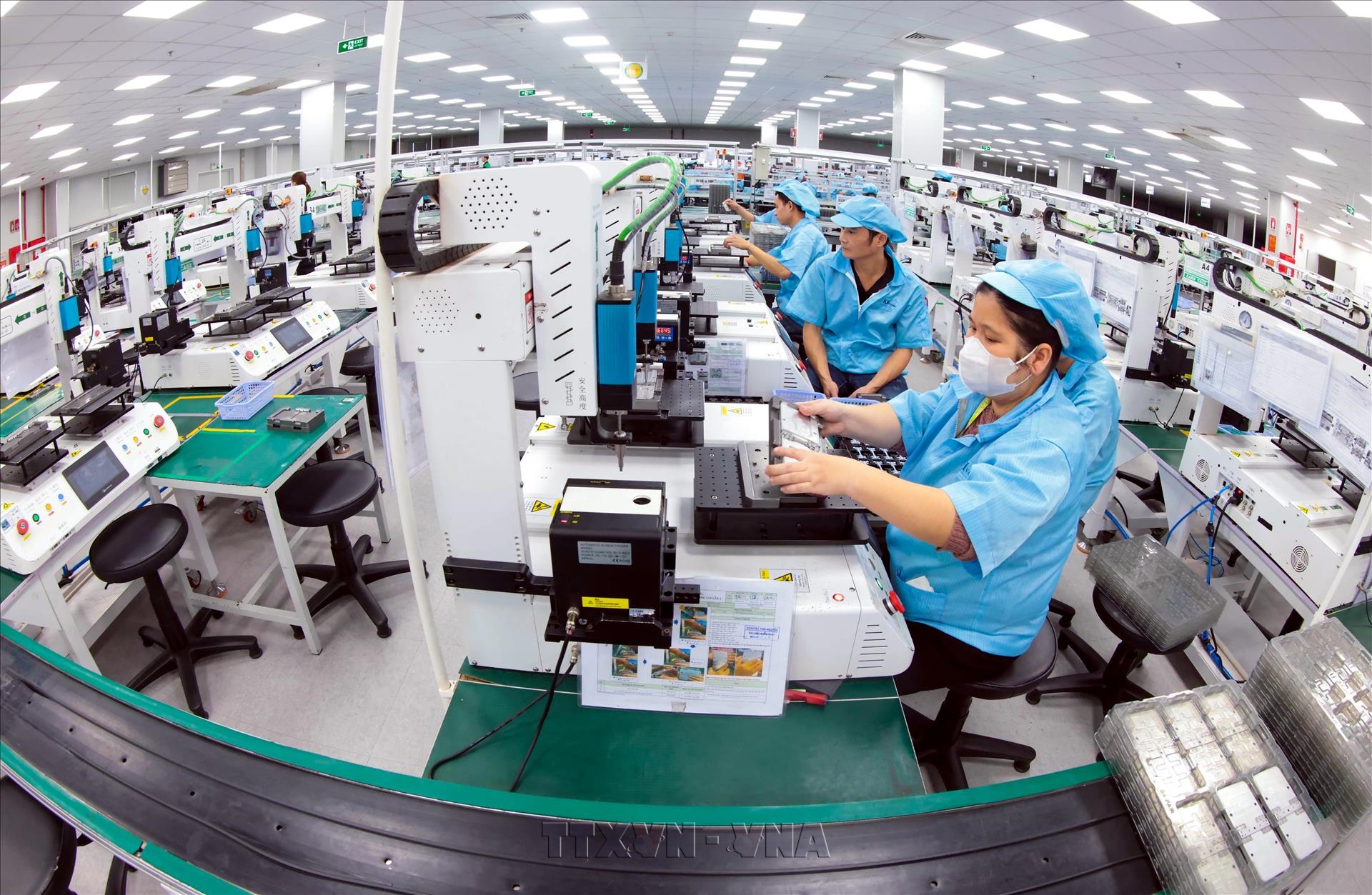
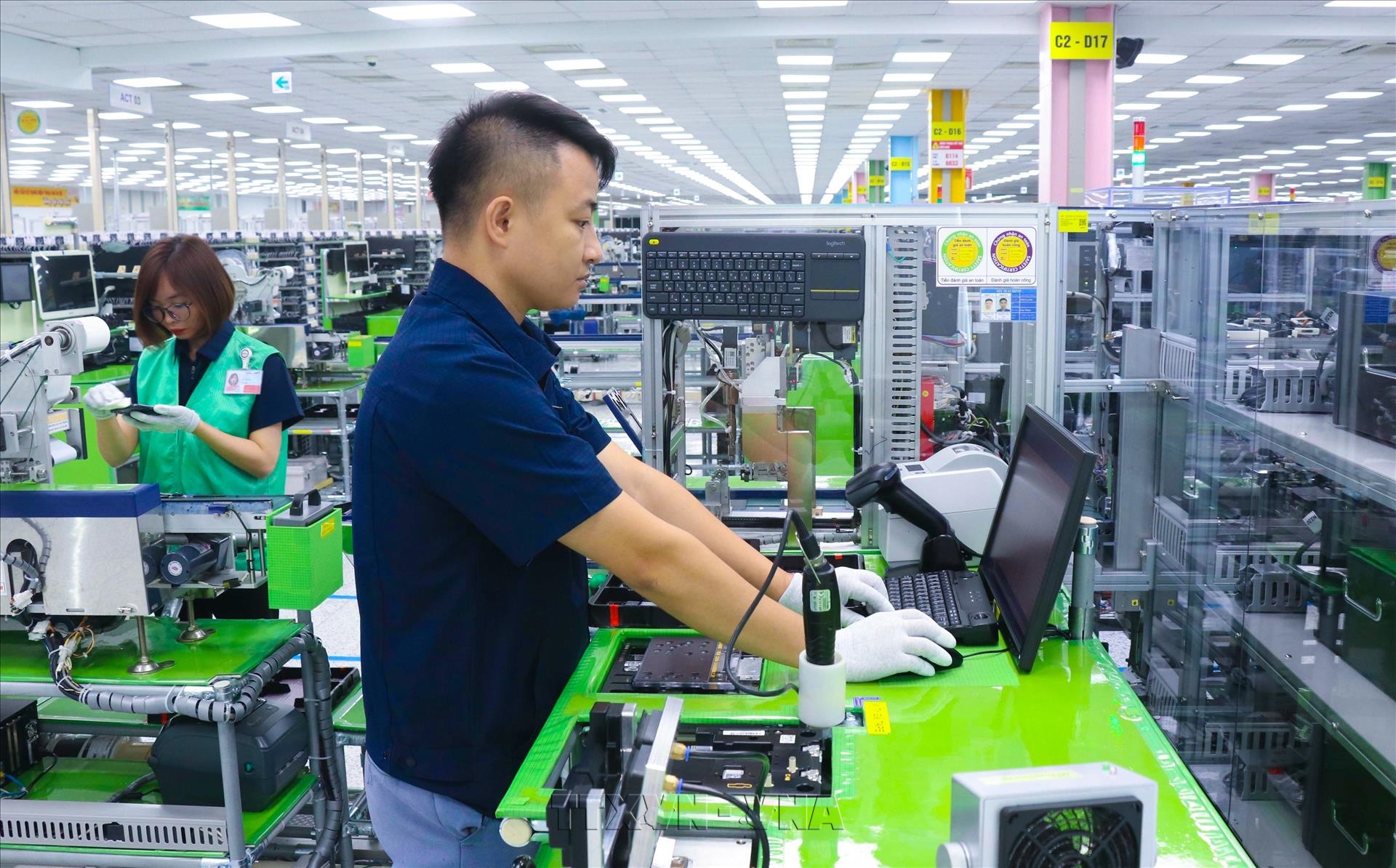
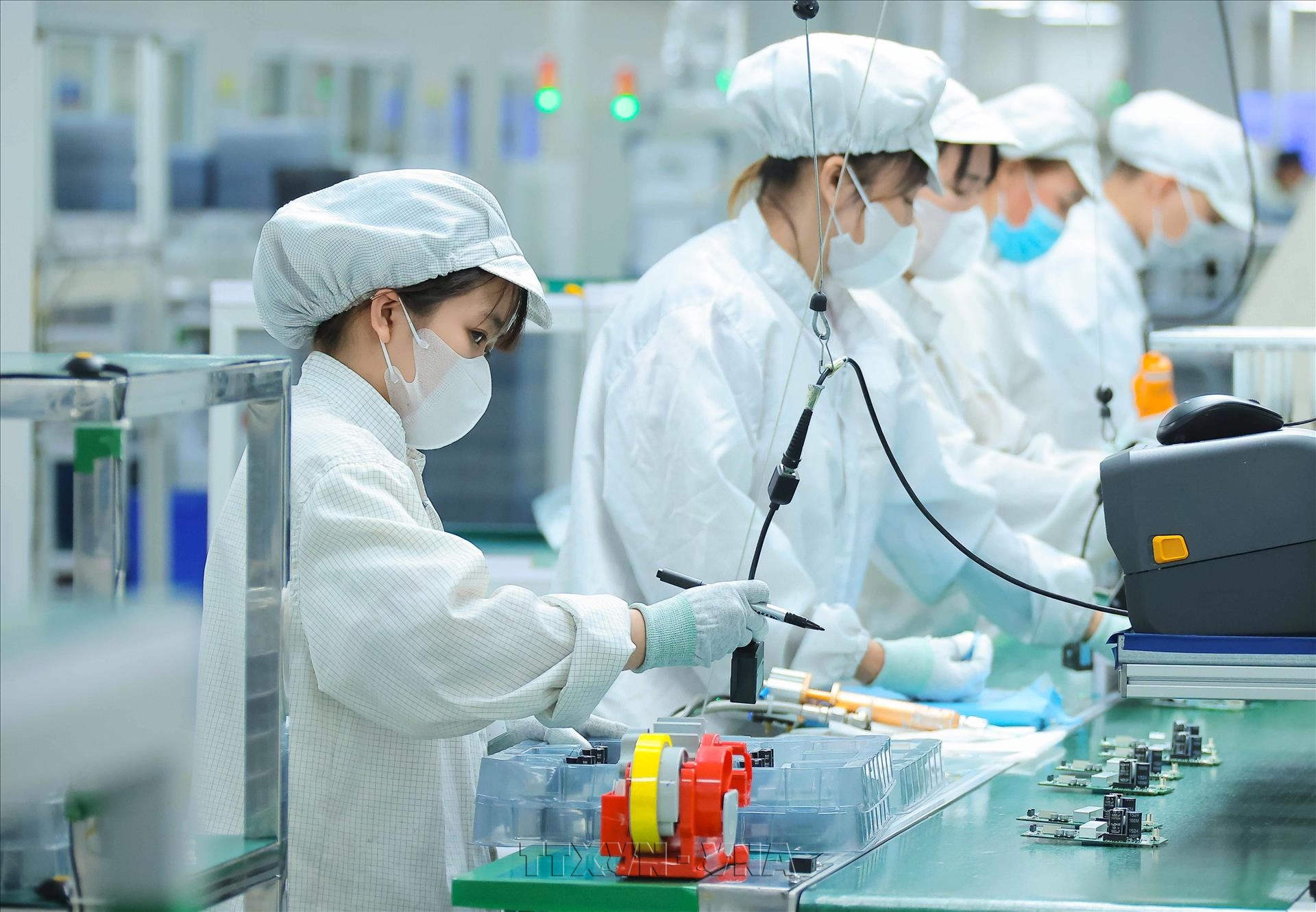
At the same time, it will conduct strict screening to prevent projects using outdated technology, consuming excessive energy or using land inefficiently, as well as those potentially causing pollution, involving in transfer pricing or tax evasion, circumventing rules of origin, or posing risks to national defense, security, data and critical infrastructure
With this change in thinking, together with commitments to protecting investors’ intellectual property and assets and creating a fair competitive environment, Resolution No. 10 delivers a strong message about Viet Nam’s strategy to attract new generation FDI to generate a fresh momentum for its growth in the future.
Story: Thanh Hoa - Photos: VNP & VNA