A Legend Beneath the Earth
Hidden beneath the forest northwest of Ho Chi Minh City, the Cu Chi Tunnels stand as a powerful symbol of the Vietnamese people’s resilience, courage and ingenuity.
Stretching more than 250km underground, the vast tunnel network remains one of the most remarkable military structures in modern history, drawing visitors from around the world to explore Vietnam’s wartime past.
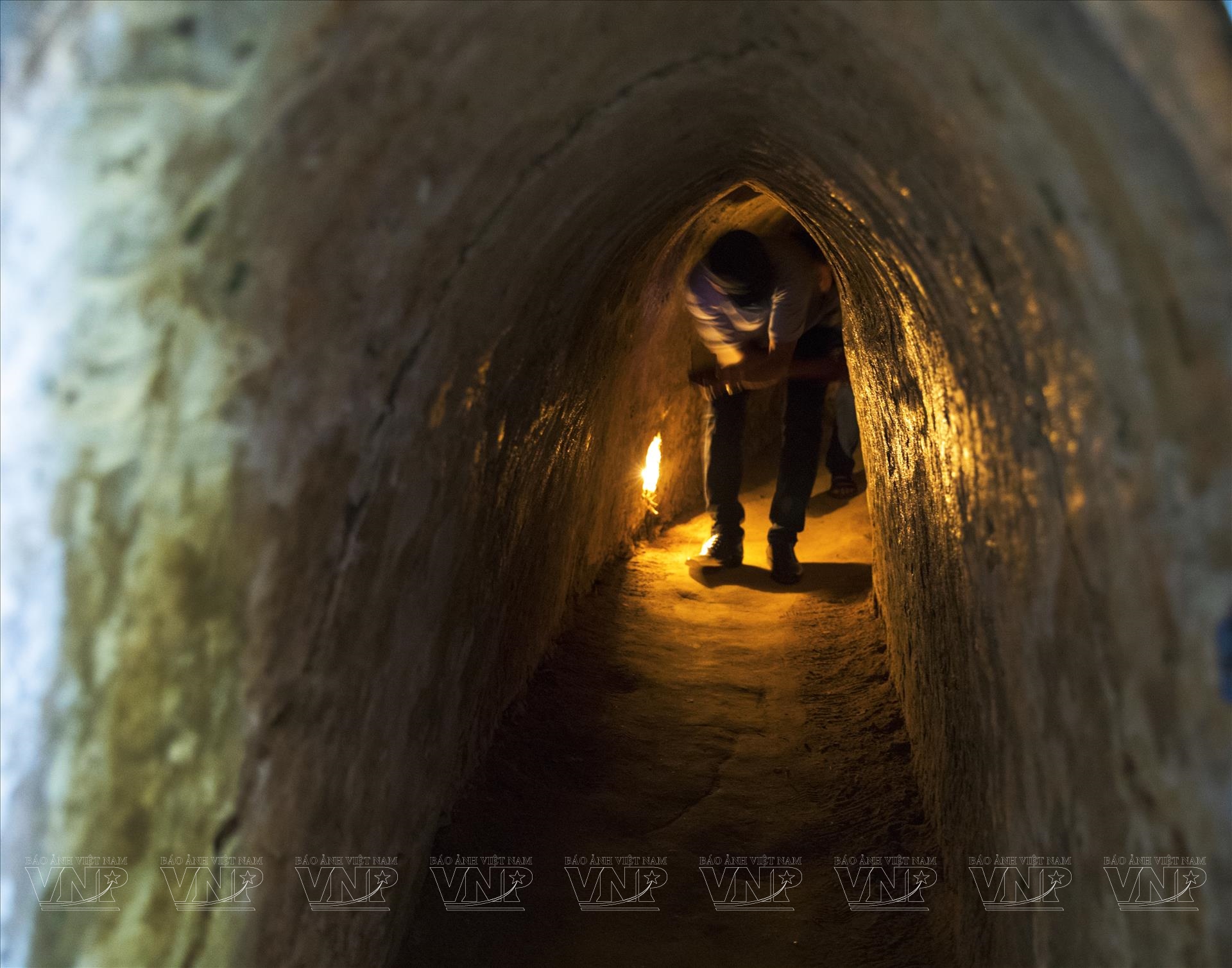
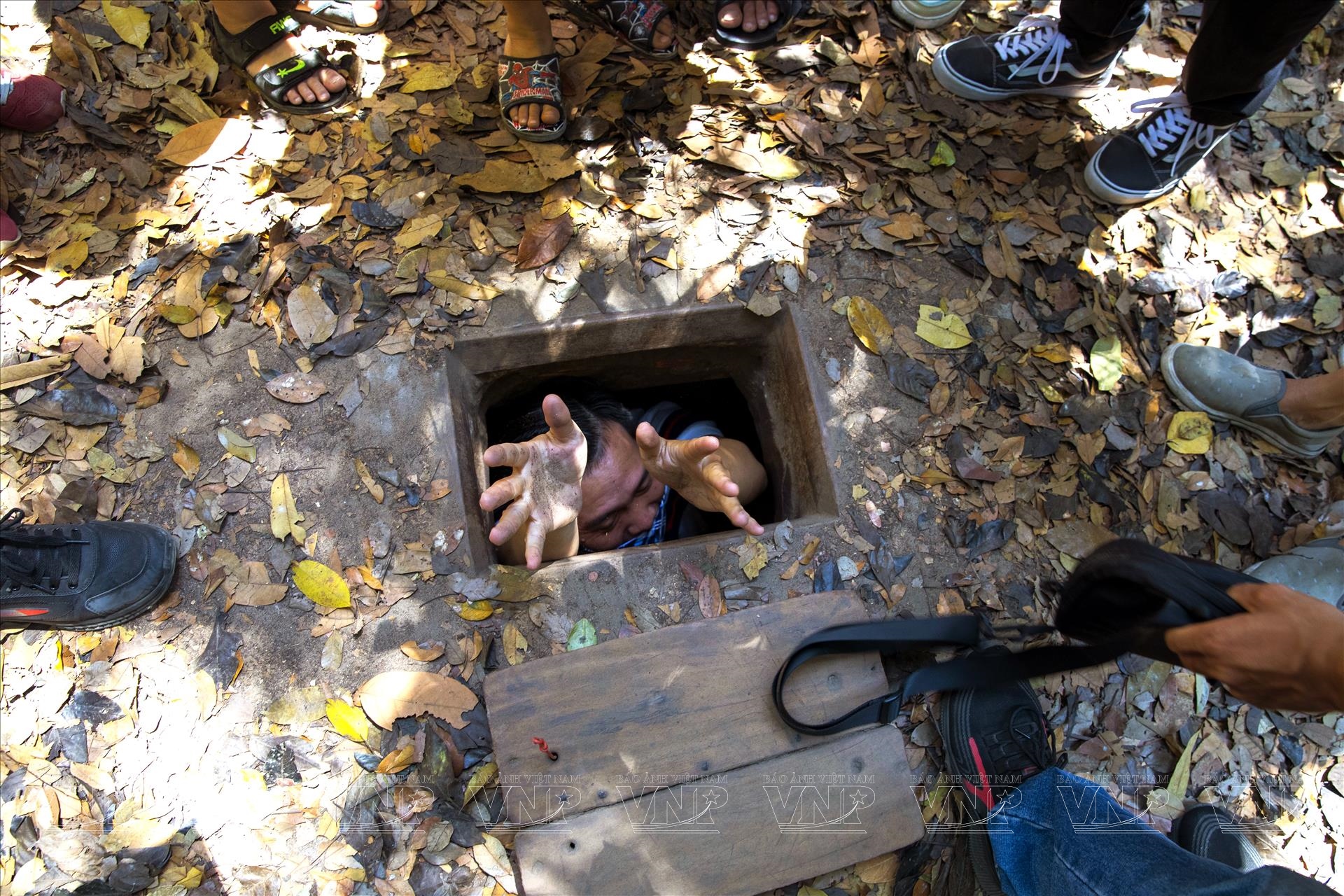
During a recent visit ahead of the 50th anniversary of Ho Chi Minh City (July 2, 1976- July 2, 2026), Mai Thuy Lan from Hung Yen Province was deeply moved after seeing the narrow underground passages where Cu Chi soldiers and residents once lived and fought. “I deeply admire the patriotism, intelligence, bravery, and resilience of the people and armed forces in the south especially those in Cu Chi,” she said.
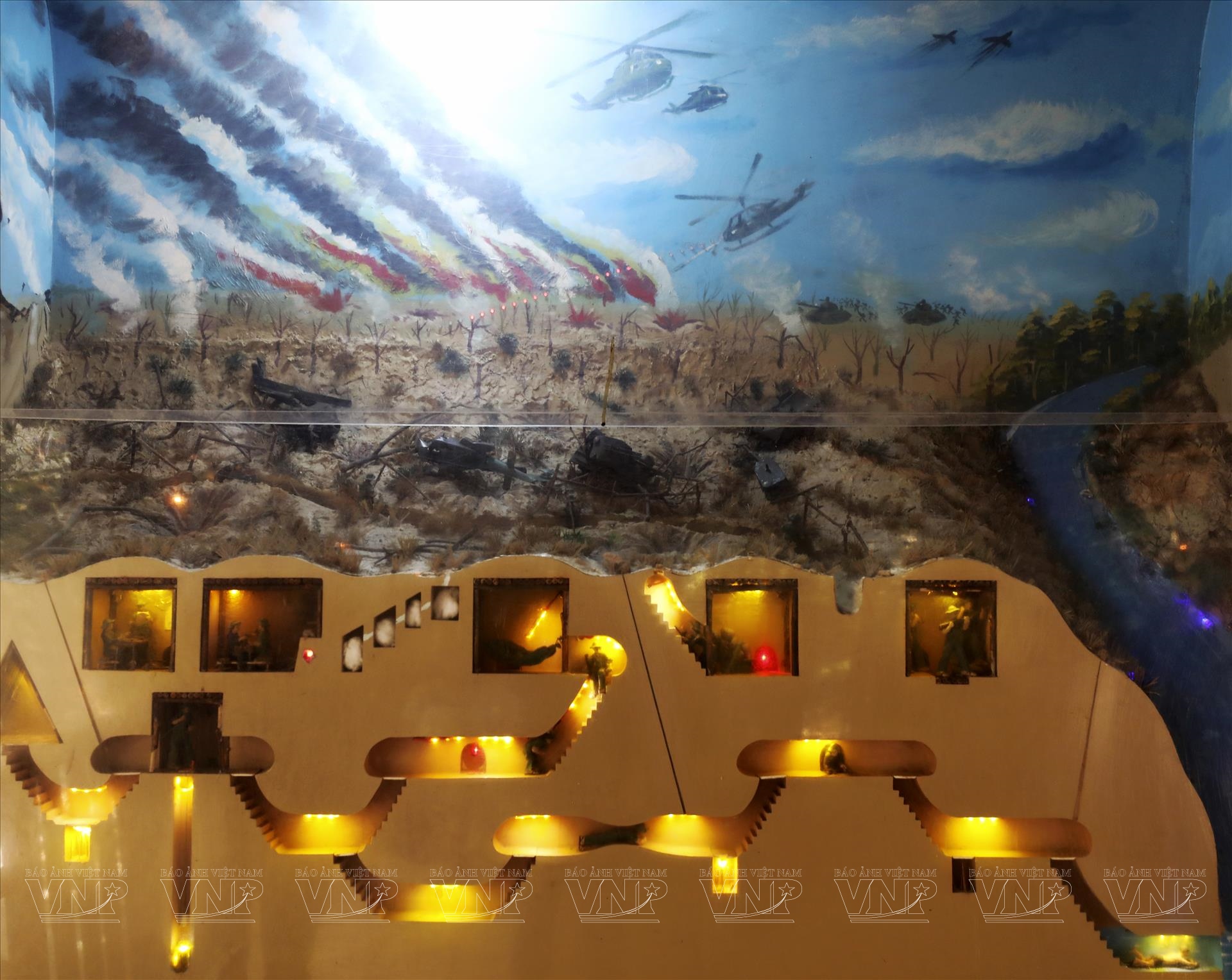
First built in the late 1940s and continuously expanded during the resistance war, the Cu Chi Tunnels turned into a vast underground “city,” with interconnected tunnels, trench systems, and defensive fortifications. Using only rudimentary tools such as hoes and bamboo baskets, locals built an extraordinary military complex beneath the earth.
Designed like a giant maze, the tunnels connected villages and hamlets through countless underground branches. Some sections were built in two or three levels deep enough to withstand heavy bombing and tanks. Hidden trapdoors and cleverly disguised ventilation holes made the network extremely difficult to detect. Inside were living quarters, meeting rooms, food storage areas, field hospitals, Hoang Cam stove (smokeless stove named after its inventor and used during the Dien Bien Phu campaign), wells, and shelters for women, children, and the elderly.
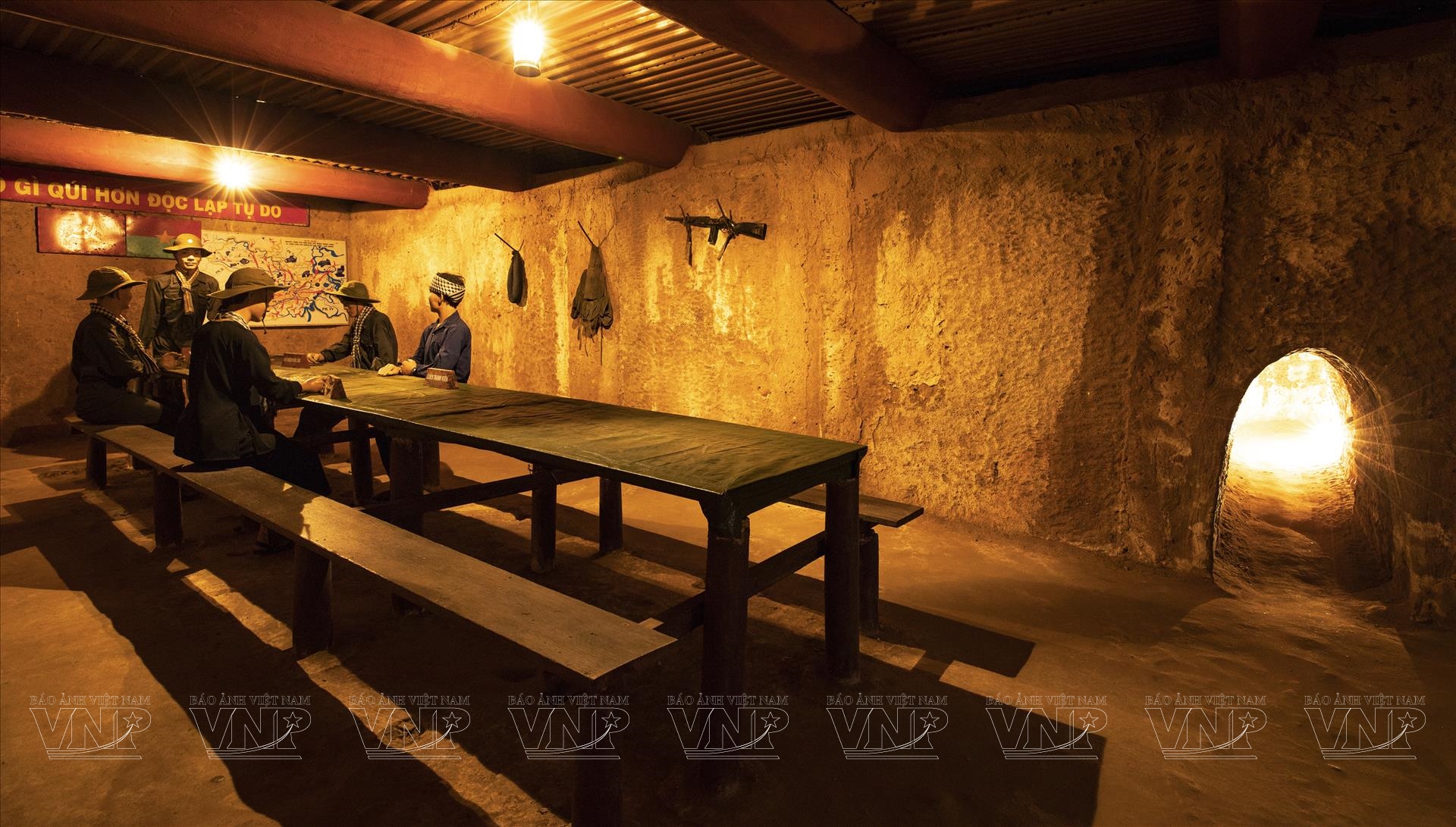
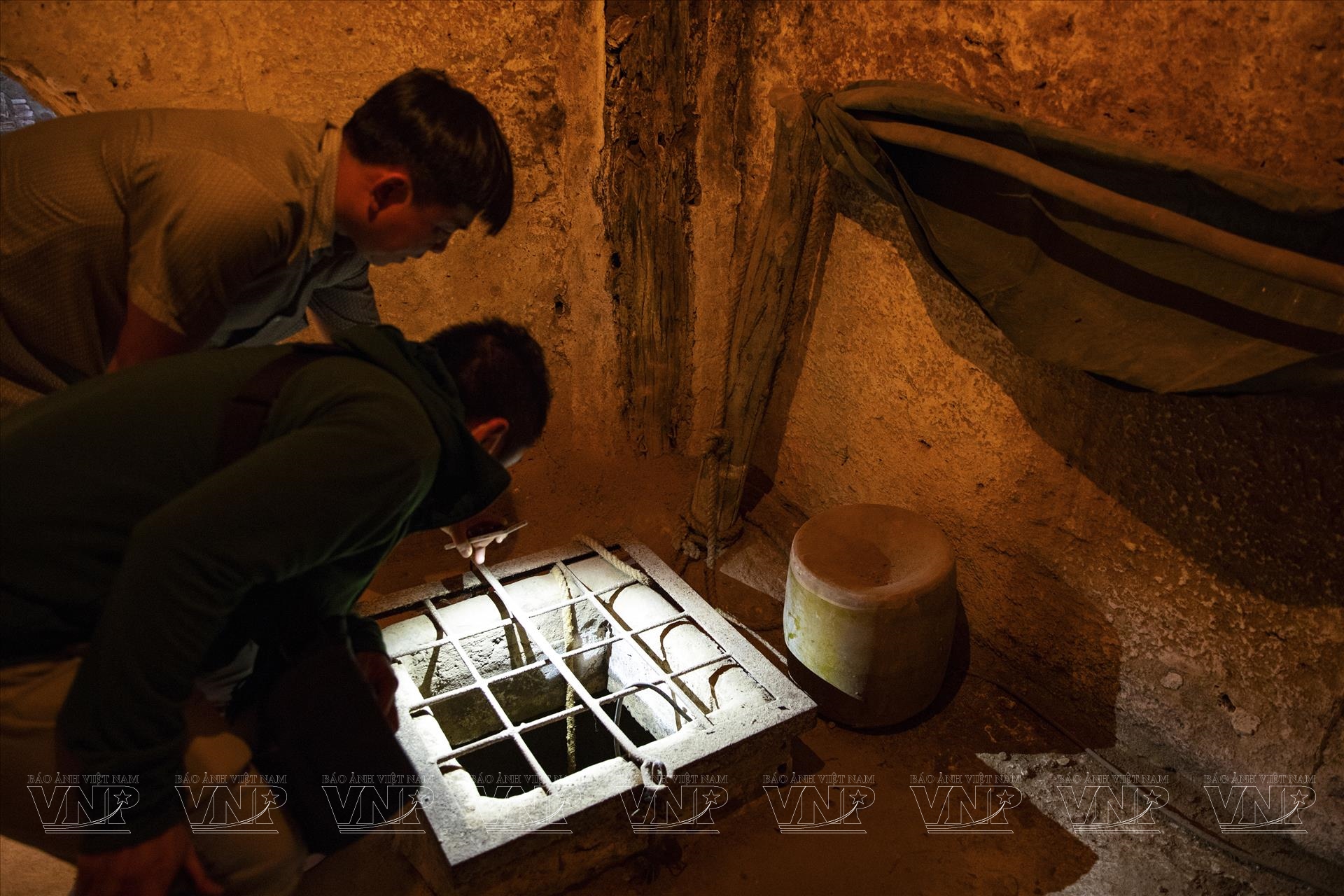
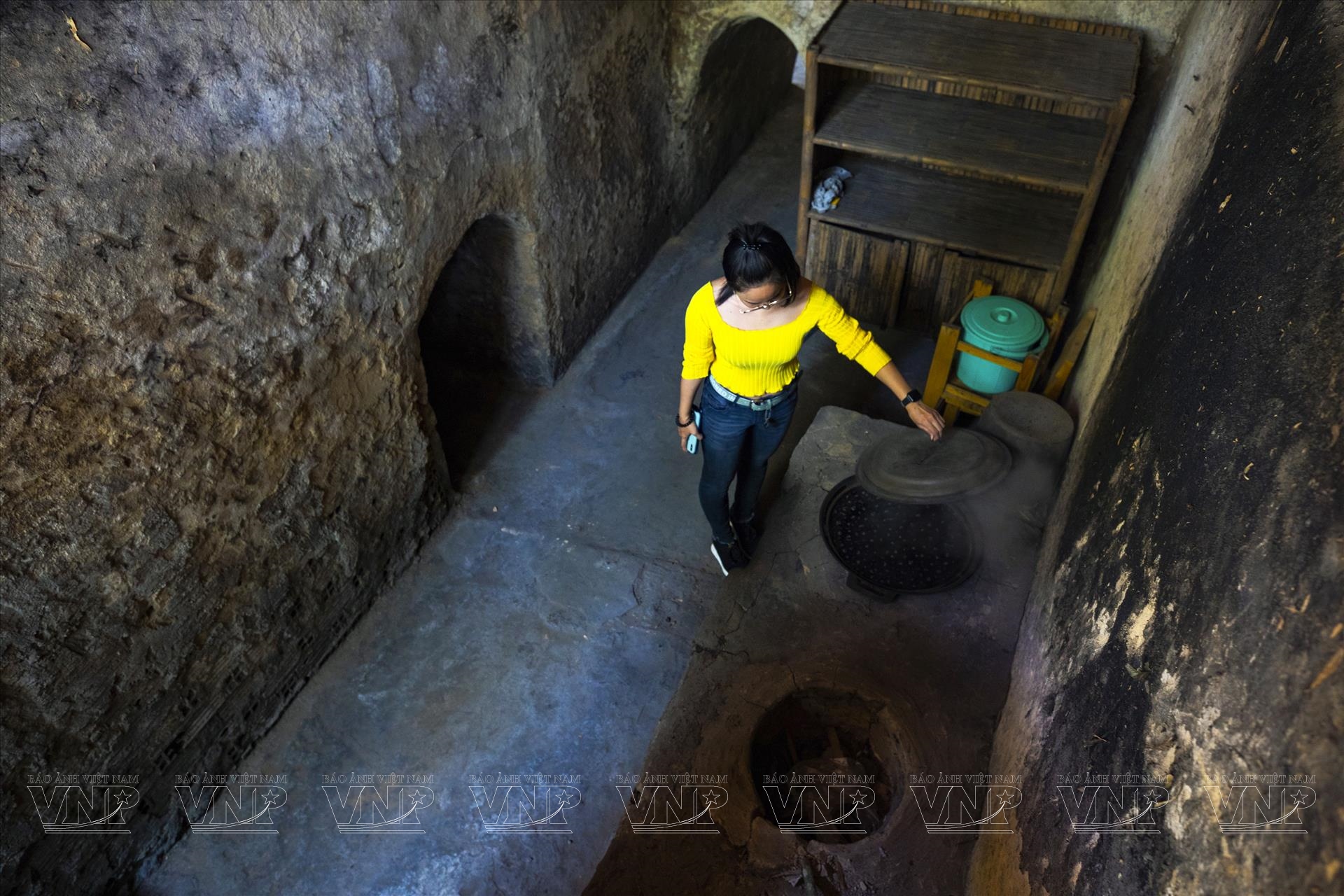
During the war, the tunnels served not only as shelters but also as a strategic command base for the Saigon – Gia Dinh Regional Party Committee and military forces. From there, many key operations were launched, contributing to important victories in the fight for national liberation. The tunnels are a vivid testament to the unique people’s warfare and guerrilla tactics of Vietnam.
Today, the Cu Chi Tunnels are preserved mainly at the Ben Duoc and Ben Dinh sites where visitors can crawl through restored tunnel sections, explore wartime artifacts, and gain insight into the underground life once endured by soldiers and civilians.
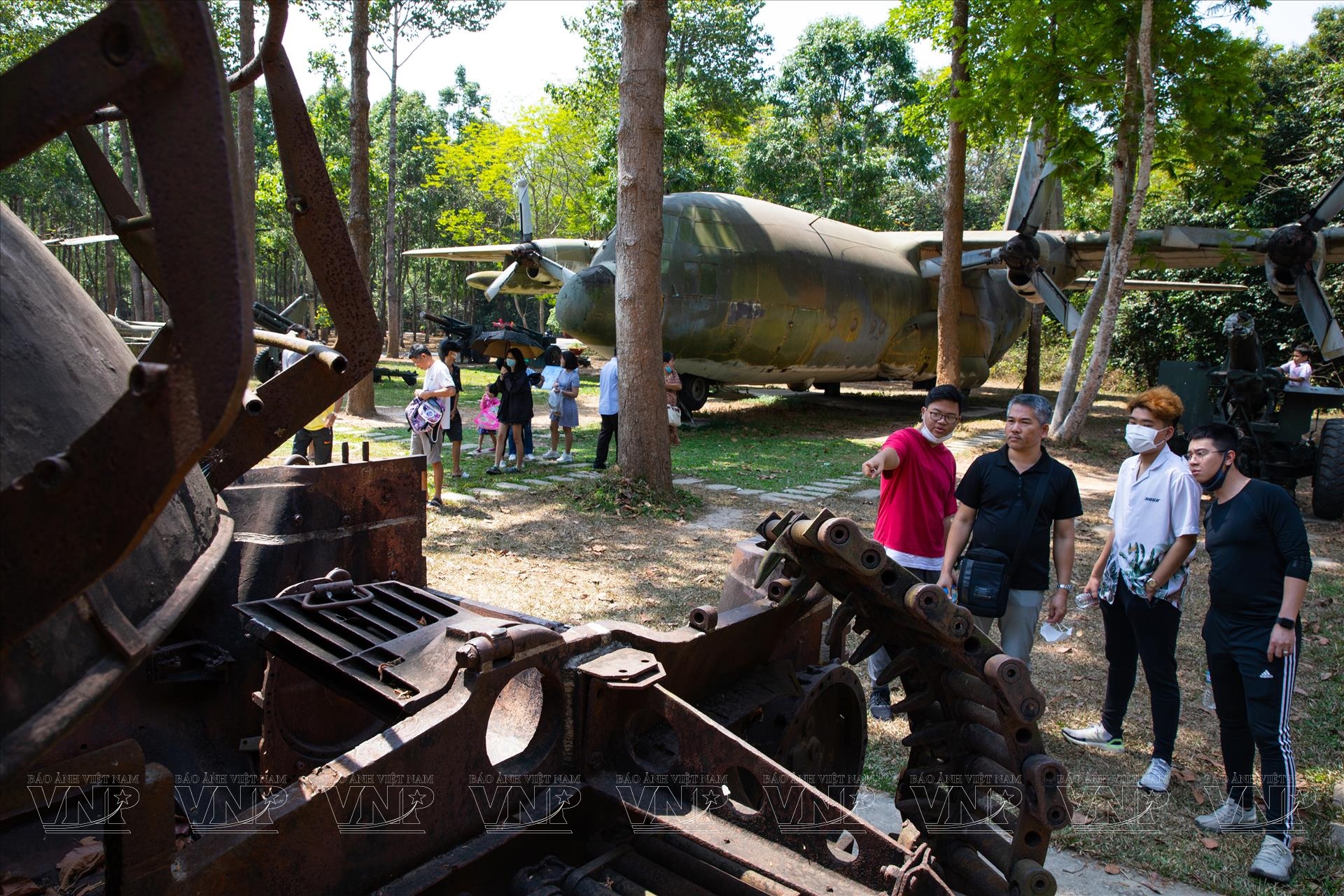
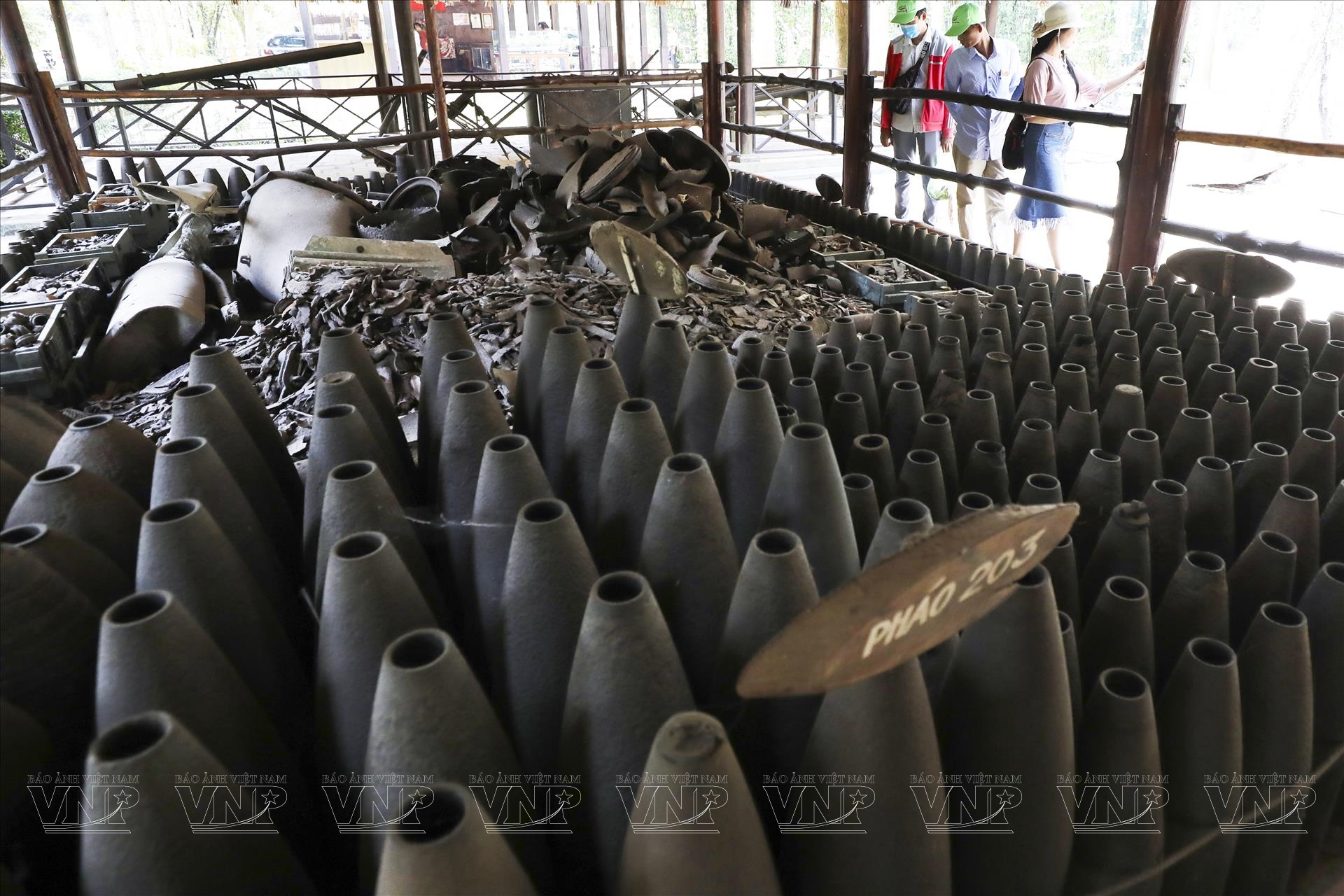
A touching stop is the Ben Duoc Memorial Temple which honors thousands of martyrs in the Saigon - Cho Lon - Gia Dinh region during the resistance war. Surrounded by peaceful greenery, the memorial offers a quiet space to reflect on the immense sacrifices that shaped Vietnam’s peace today.
To bring history closer to younger generations and international visitors, the site has introduced the nighttime tourism program “Moonlight over the Resistance Base” which recreates the daily life in the liberated Cu Chi region during the early 1960s. The vivid reenactments and performances show the optimism, resilience, and spirit of the local people during wartime.
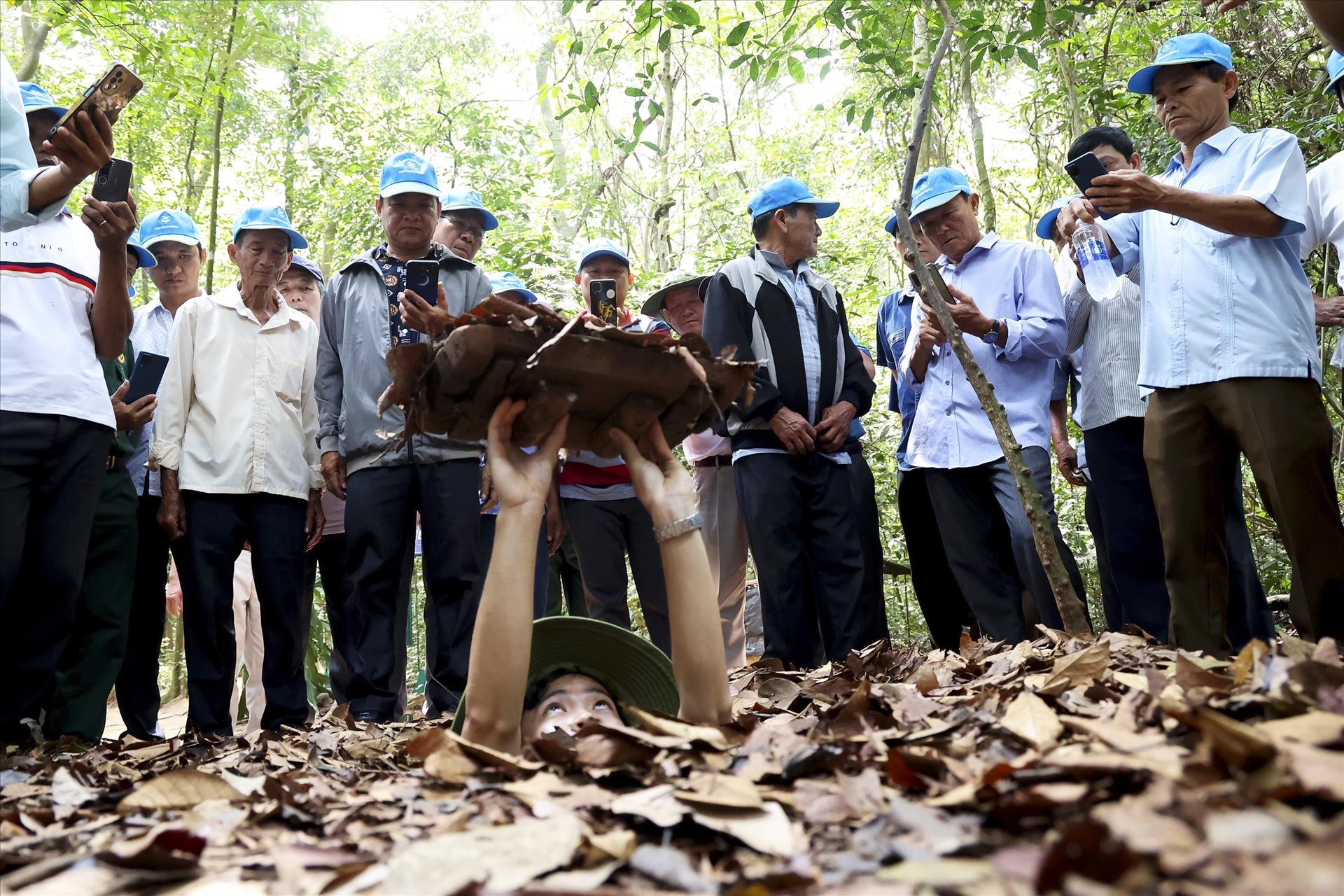
A special national relic site, the Cu Chi Tunnels now host more than one million visitors each year. Ho Chi Minh City is preparing a dossier to nominate the site as UNESCO World Heritage to further promote its historical and cultural significance worldwide.
Story: Viet Cuong Photos: Le Minh, Thong Hai/VNP & Files