500-Day Campaign: A Mission of Gratitude
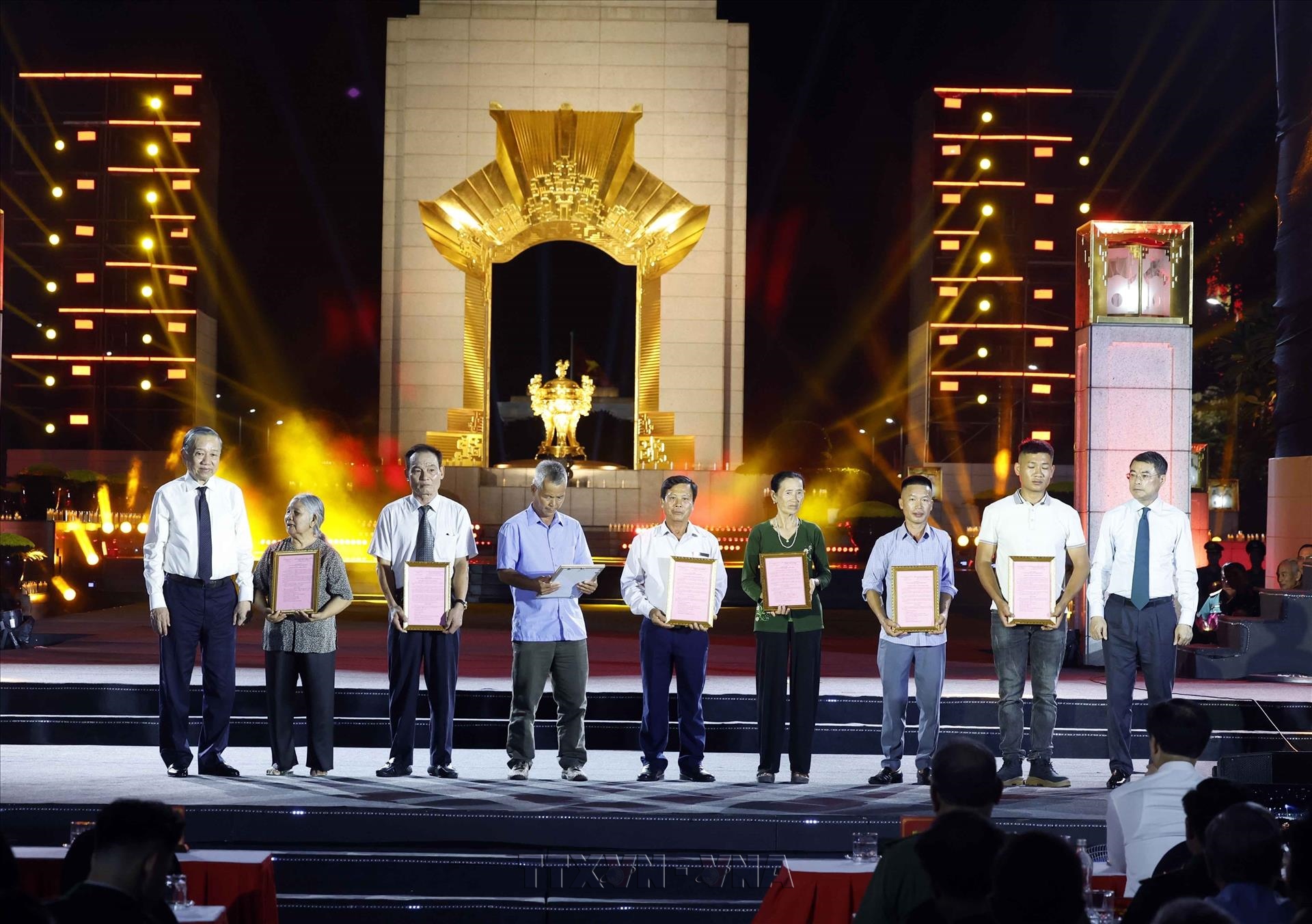
A soldier's remains recovered, an identity verified, or a detail of a fallen soldier clarified during the "500-Day Campaign" is far more than the result of search and verification efforts. It is a sacred mission, a moral duty and the wish of every Vietnamese to pay tribute to the heroic soldiers who laid down their lives for peace, independence and freedom.
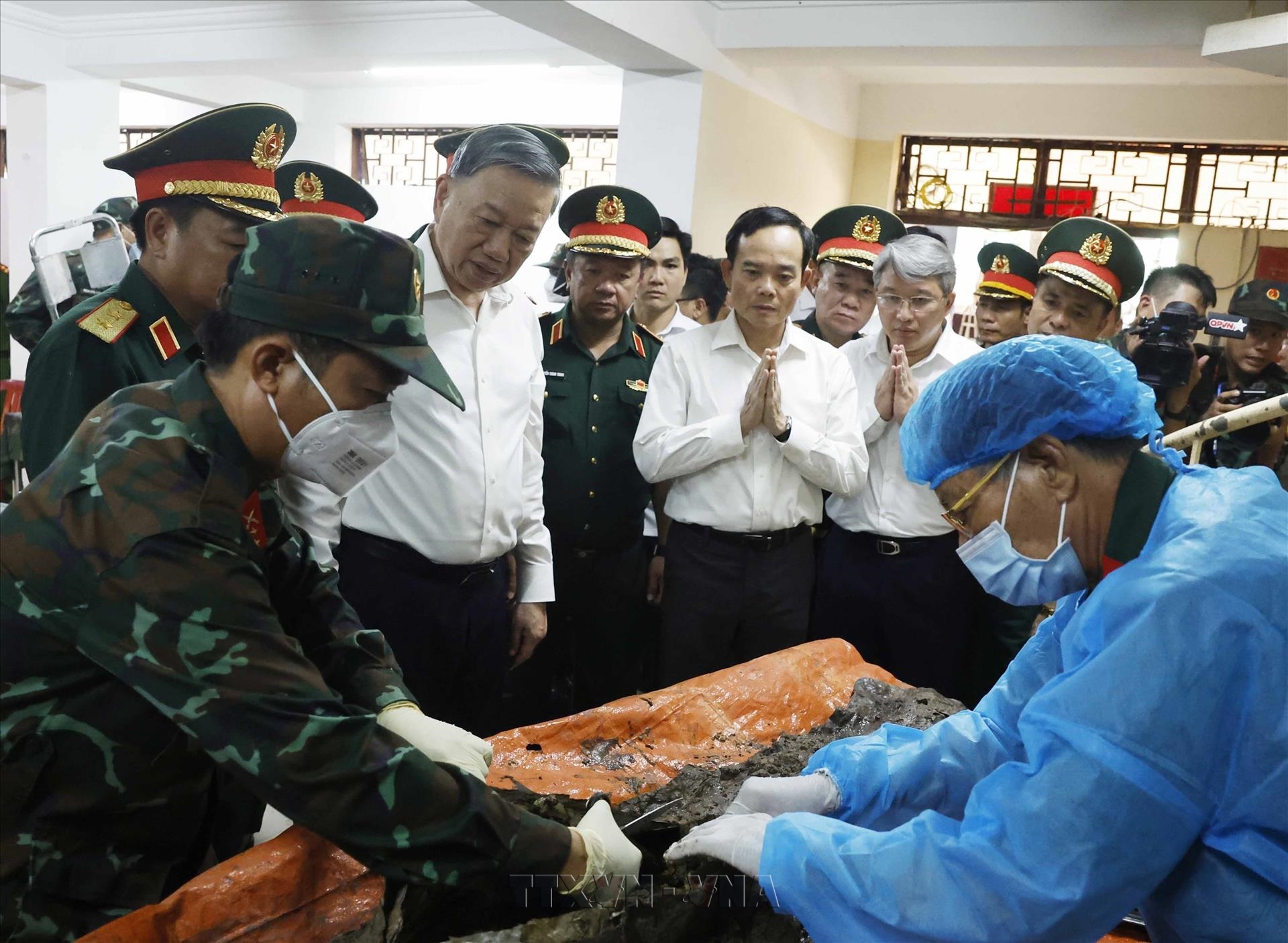
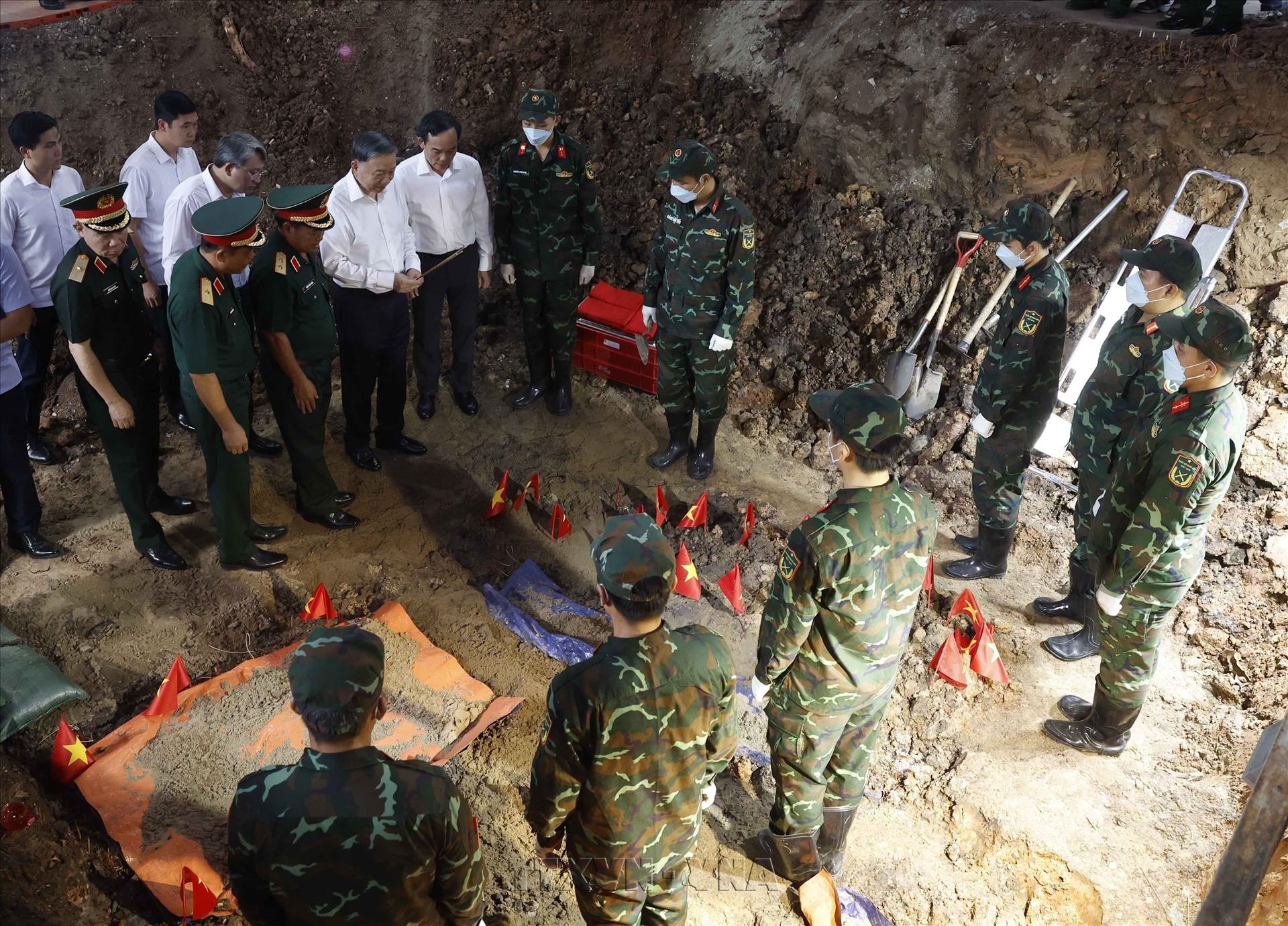
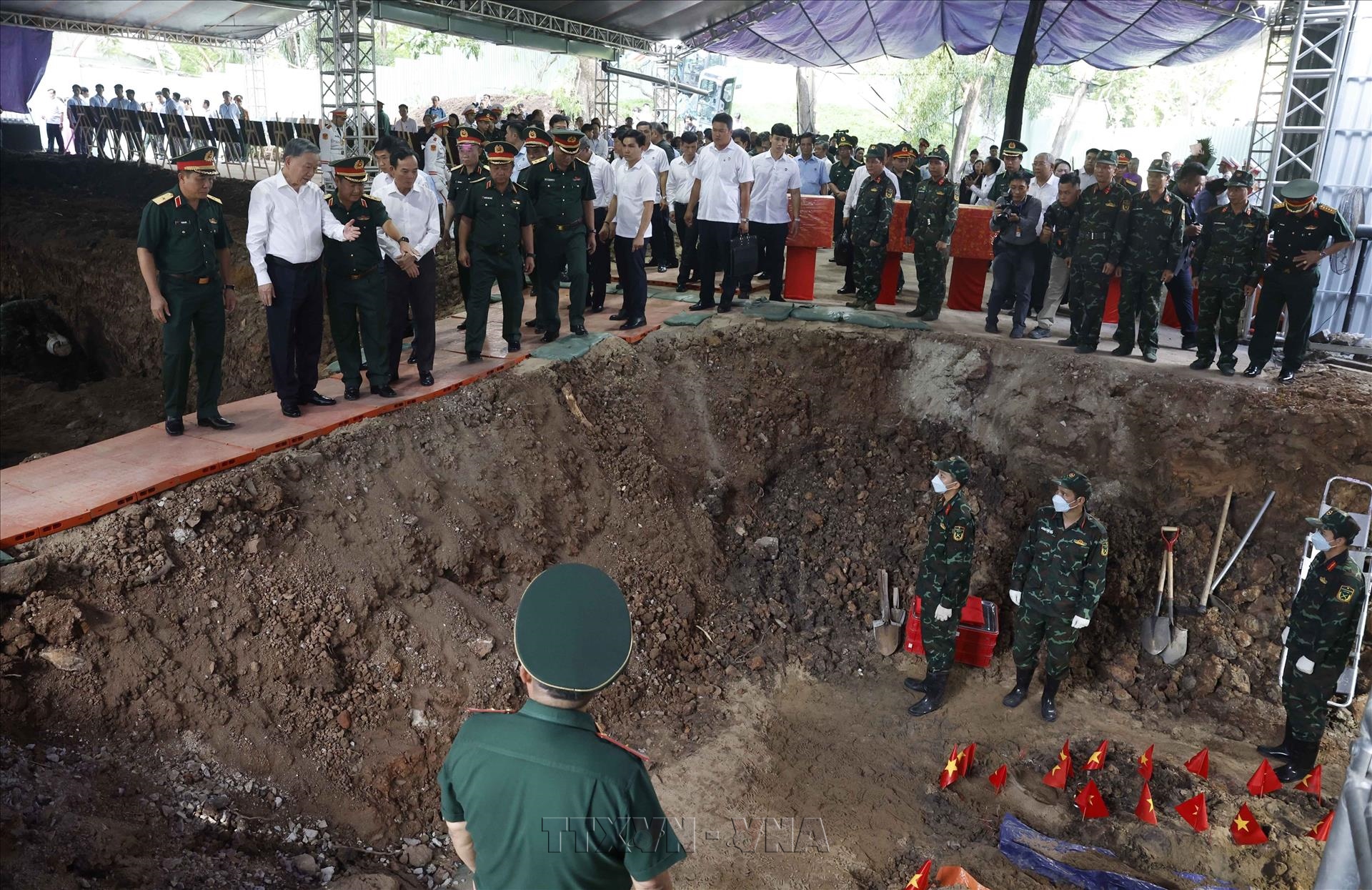
Nearly 1.2 million of the nation’s sons and daughters died in the struggle for freedom, independence and national reunification. While many have been found, countless others remain buried on former battlefields. After the war ended, the Party, State and Army immediately prioritized the search to bring fallen soldiers back to their homes.
Thanks to quiet, decades-long efforts driven by determination and a profound sense of responsibility, over 900,000 remains have been identified. However, the remains of more than 175,000 soldiers have yet to be found, and nearly 300,000 recovered remains have not been identified, leaving hundreds of thousands of families waiting in anguish for decades.
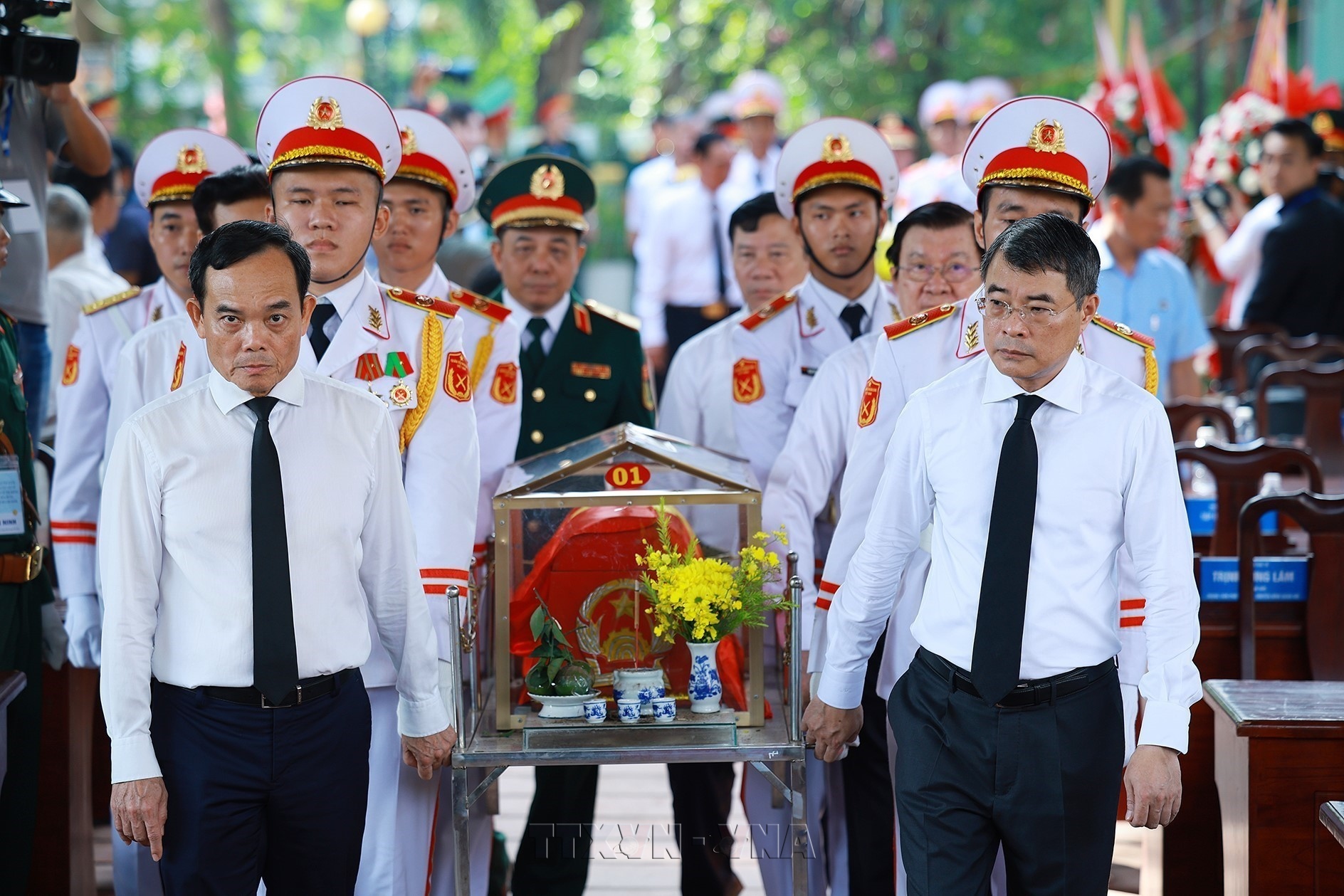
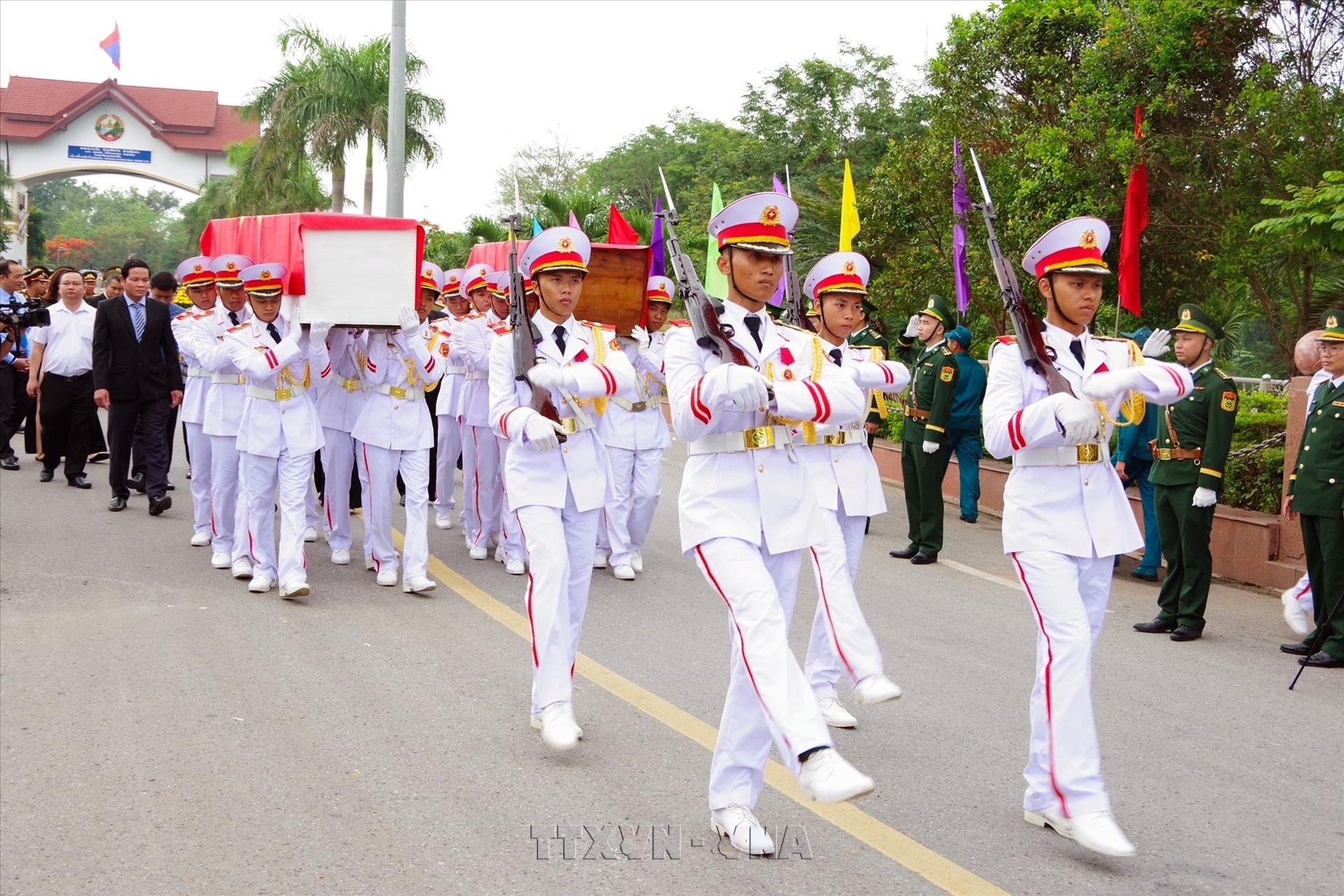
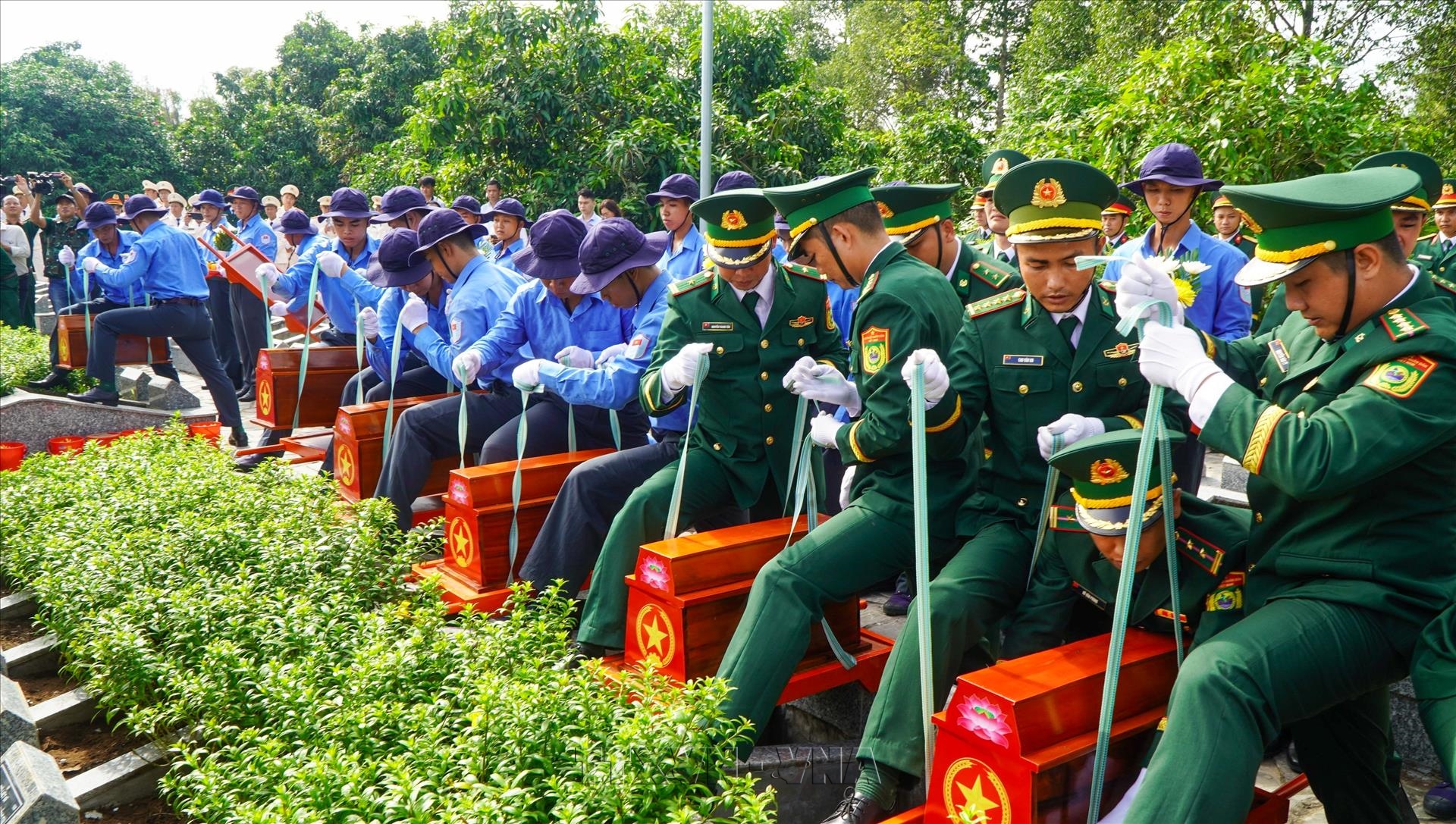
As time passes, the recovery and identification of remains turns increasingly challenging. Most surviving witnesses are now in their twilight years with their memories fading. Former battlefields have largely changed as a result of rapid urbanization and natural disasters. As every monsoon and flood passes, the last fragile traces of the soldiers’ resting places are being swept away.
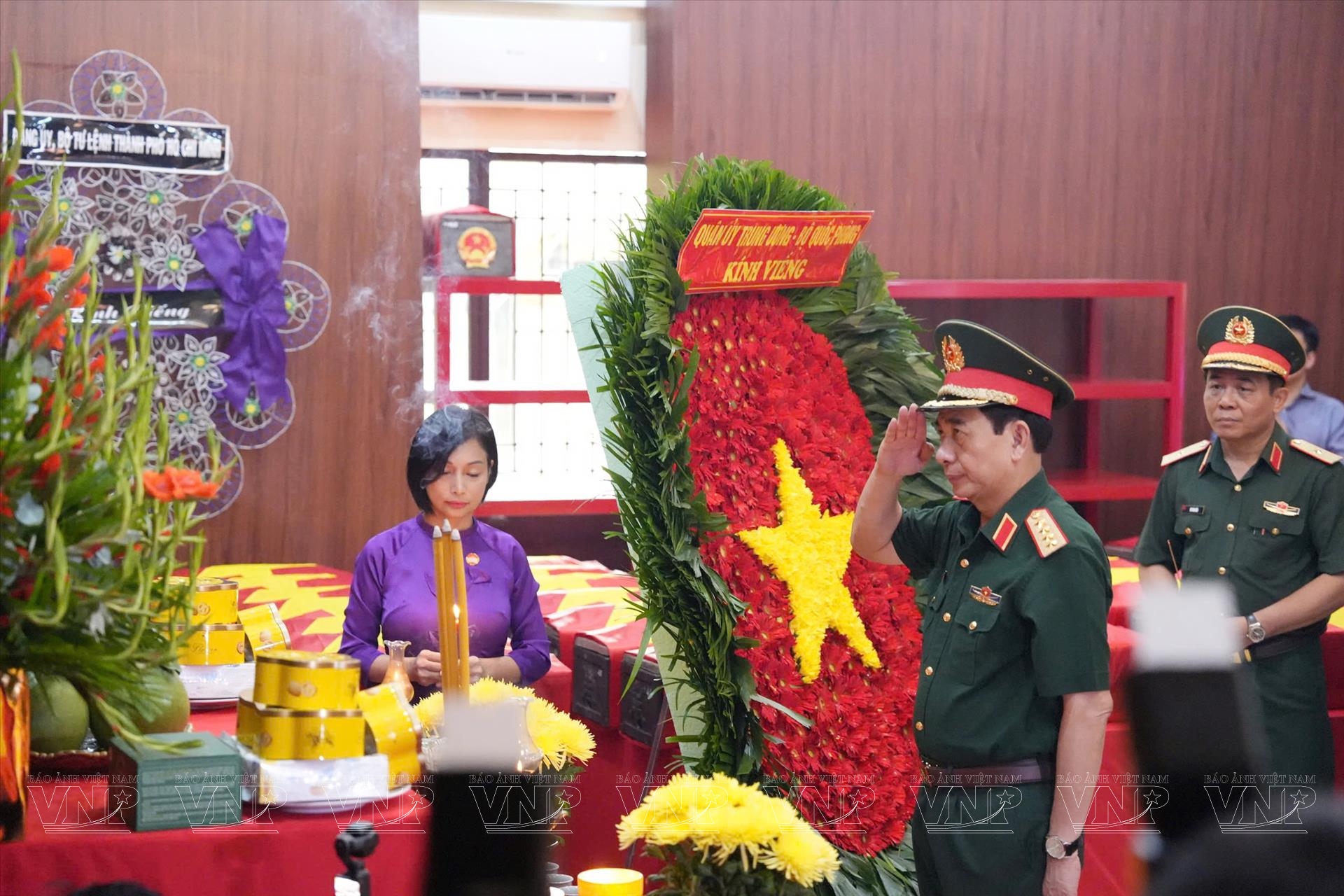
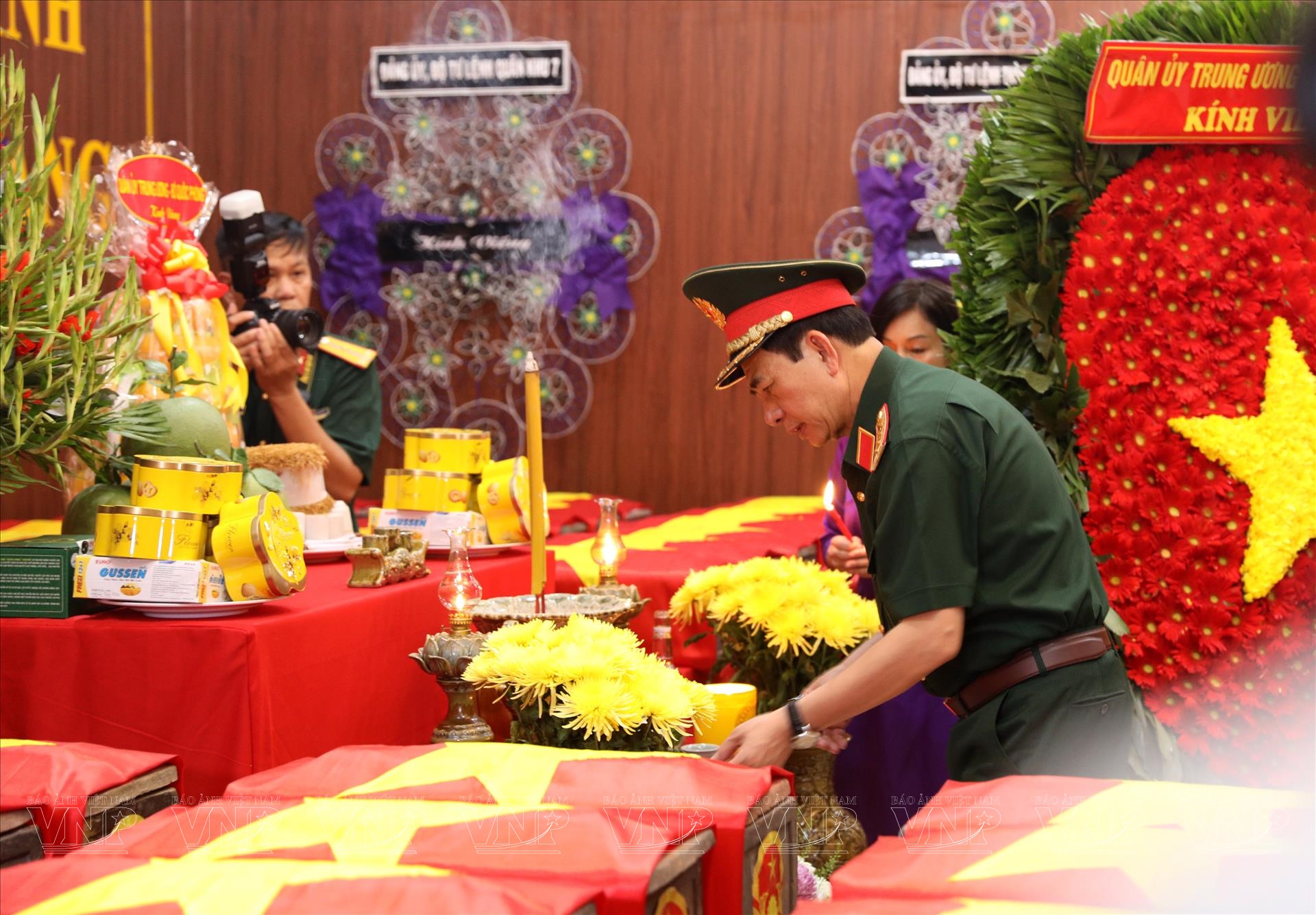
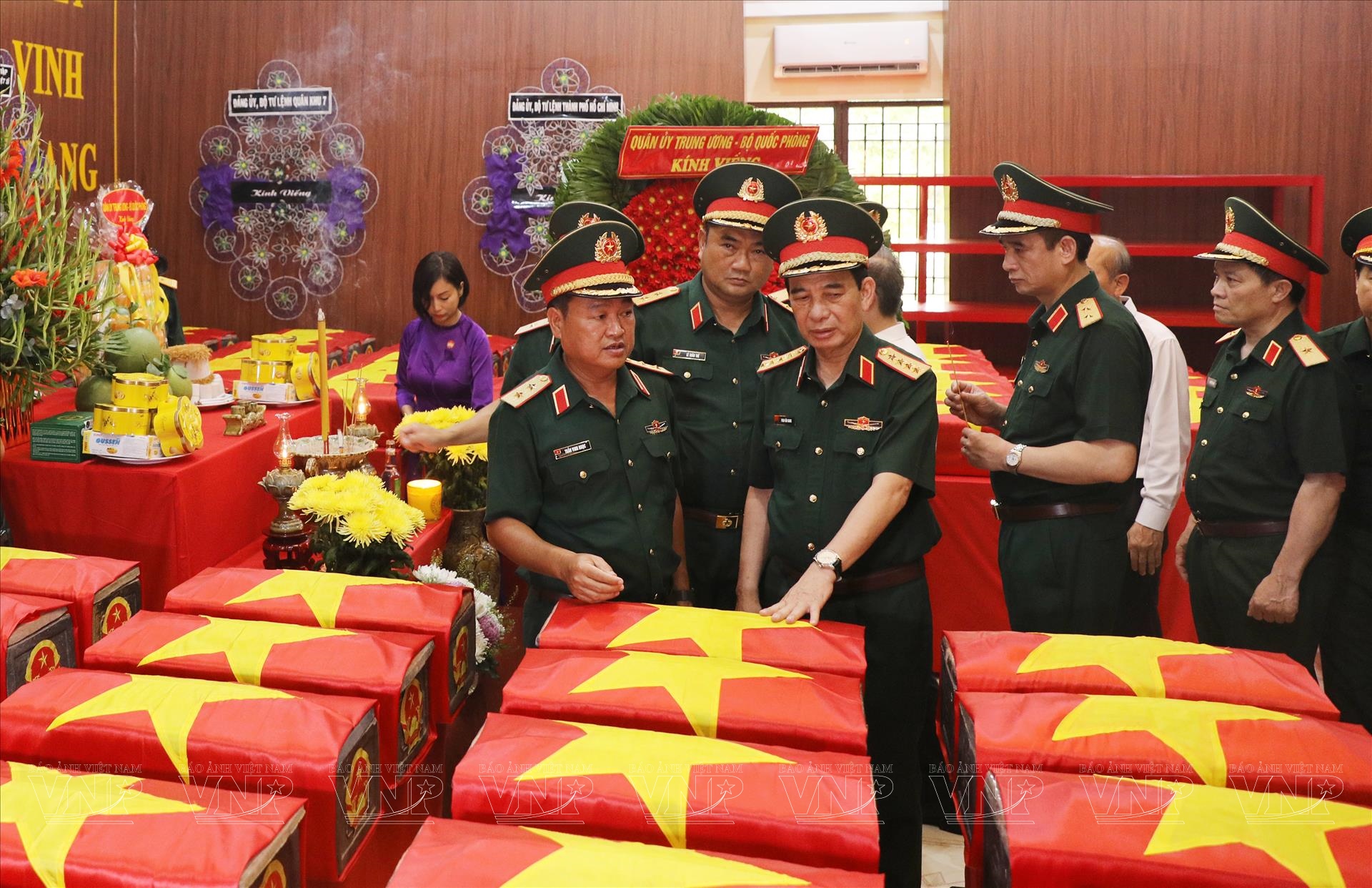
Driven by this pressing urgency, a 500-day campaign to search for, recover and identify soldiers’ remains was launched, which runs from March 15, 2026 to July 27, 2027. The campaign mobilizes the entire political system, human and material resources, and modern science and technology to scale up the search for fallen soldiers.
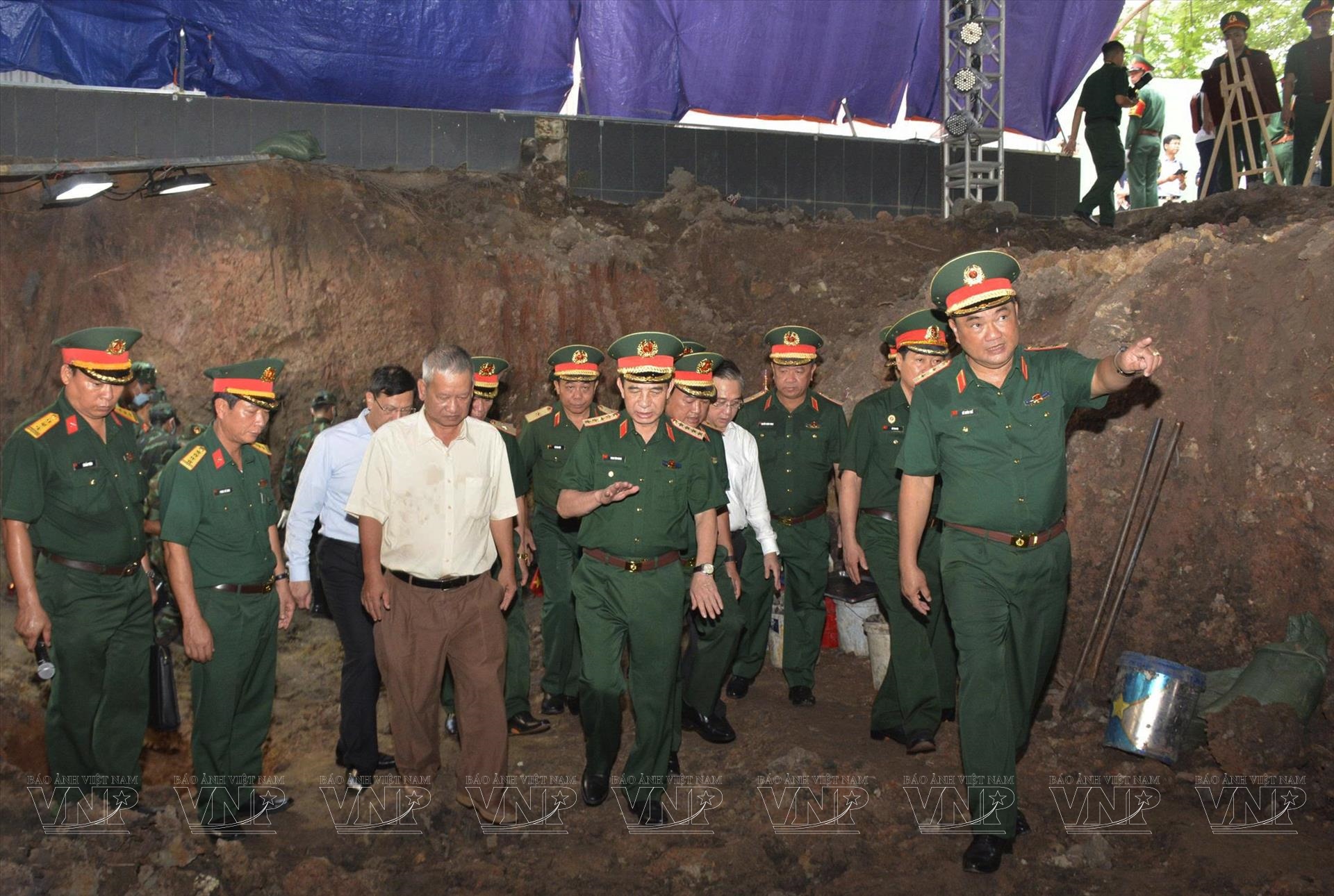
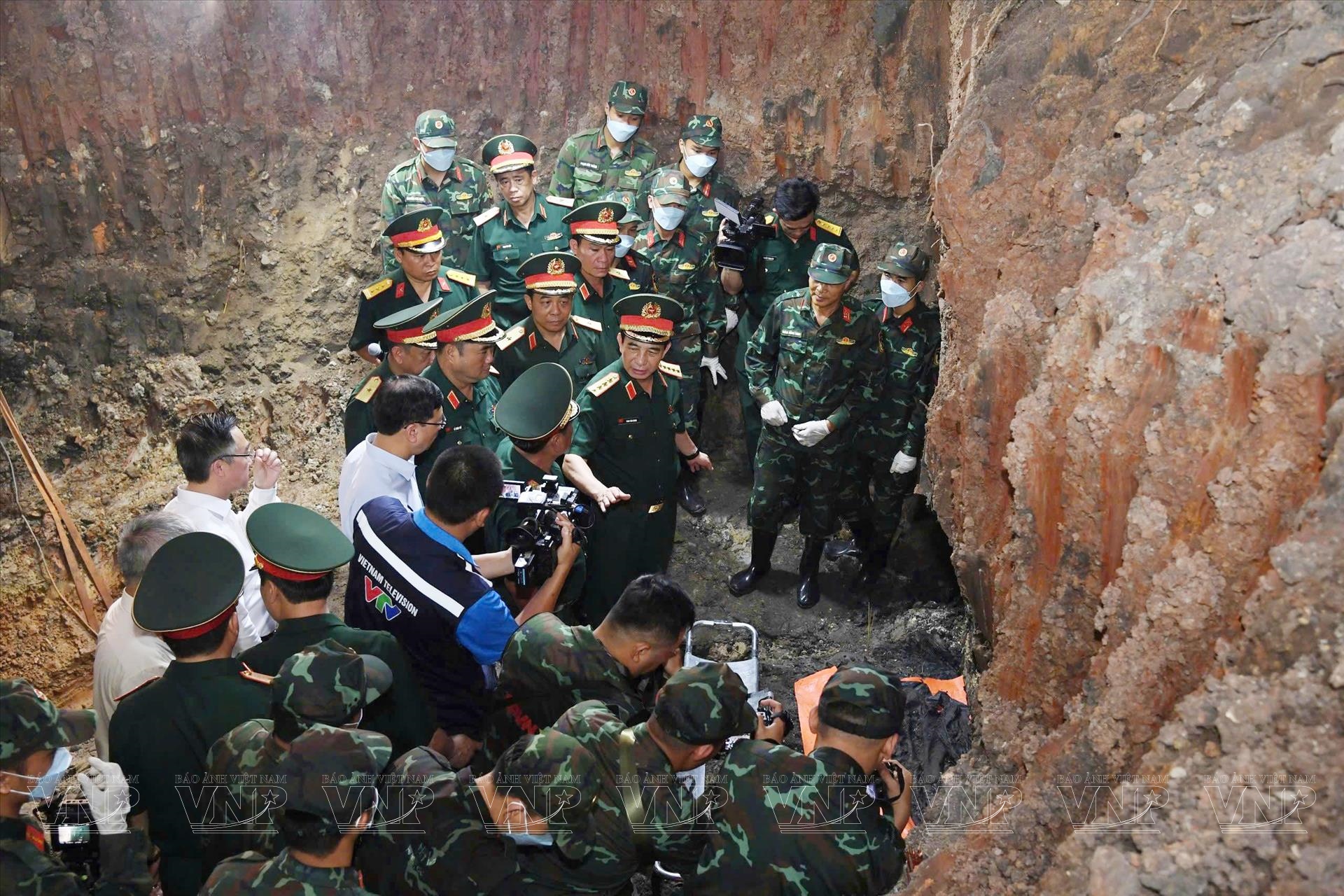
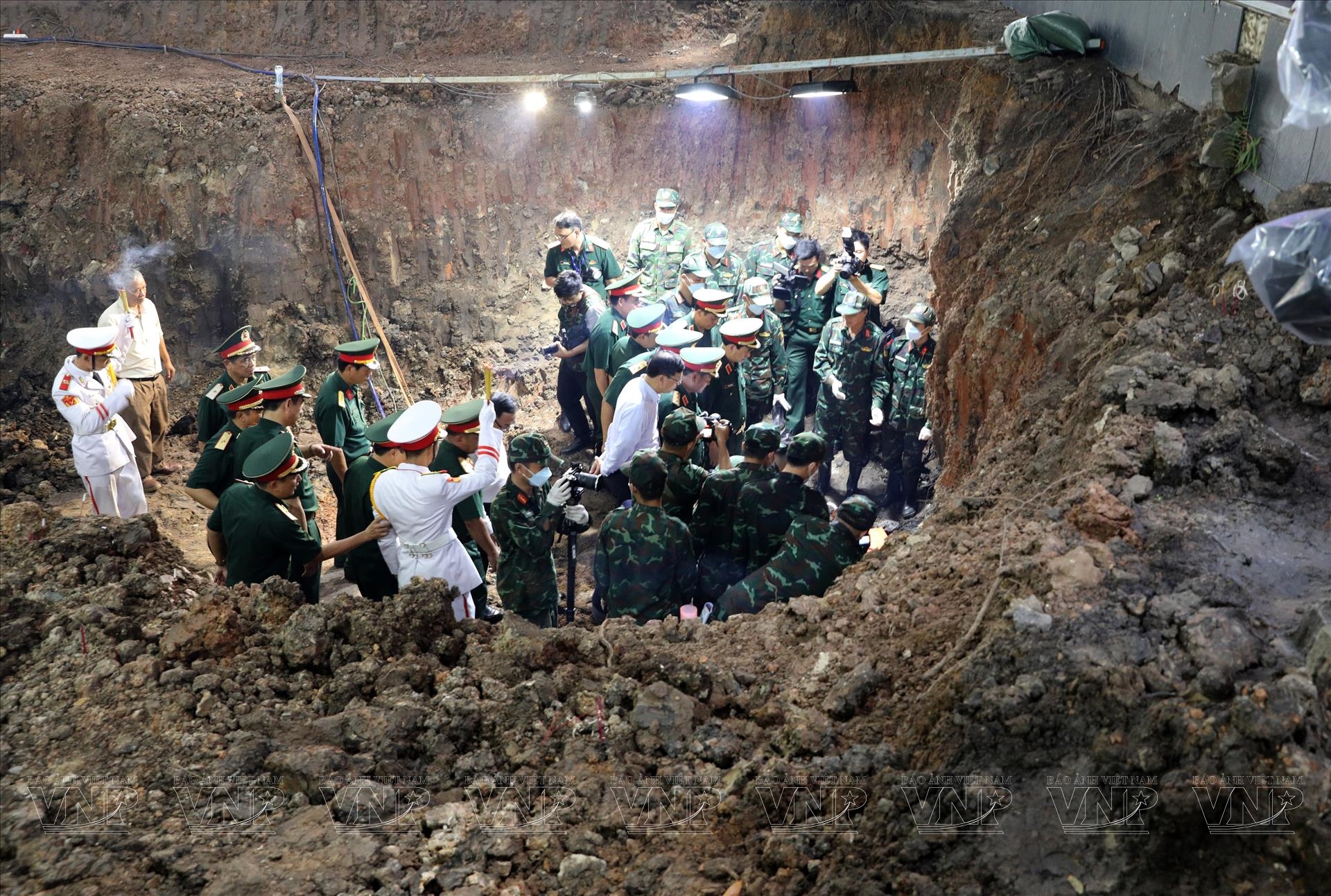
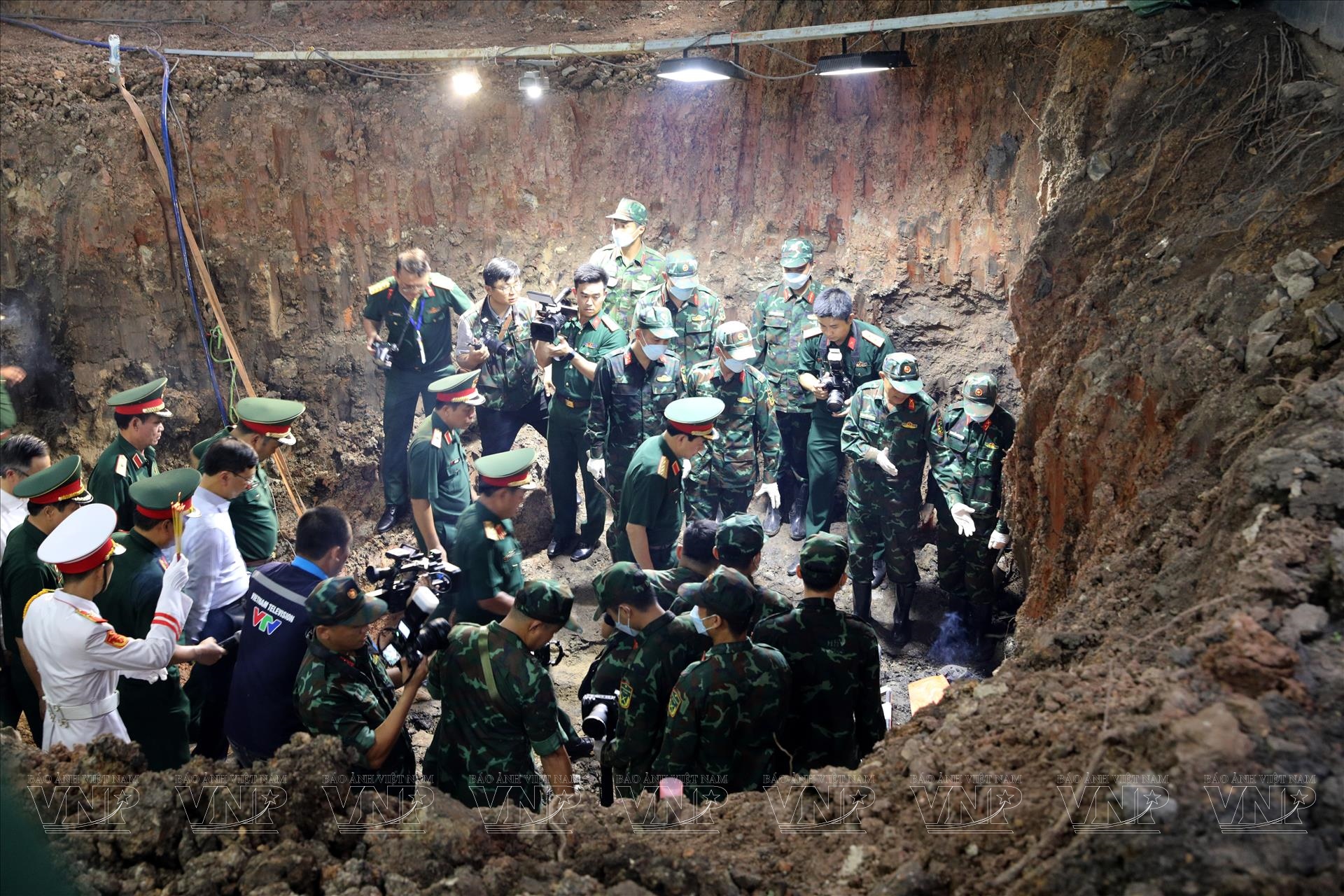
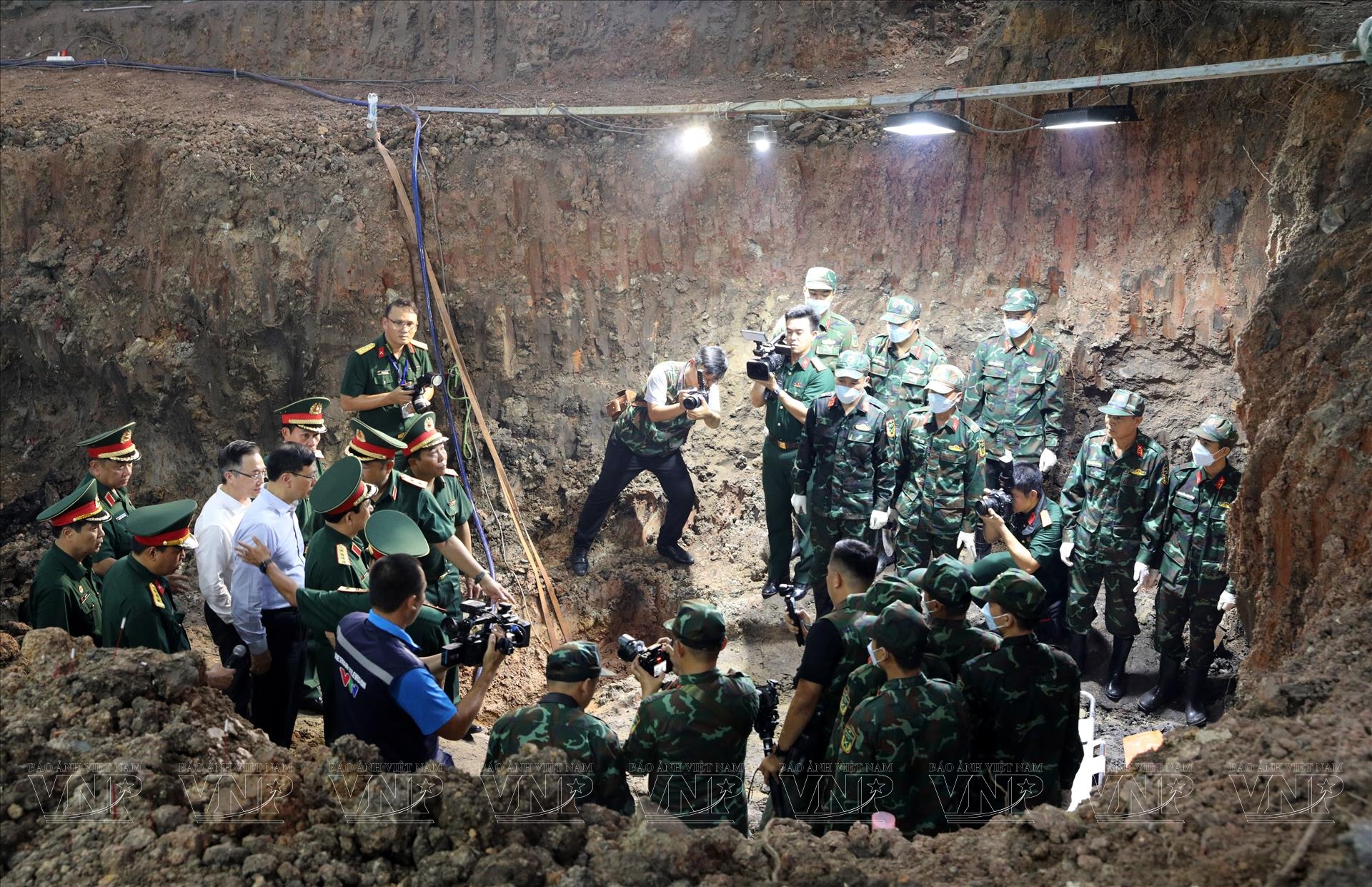
During a visit to encourage search teams working day and night at Le Thi Rieng Park in Ho Chi Minh City, General Secretary and President To Lam emphasized that searching for, recovering, and identifying the remains of fallen soldiers is a sacred responsibility of the Party, State and people of Vietnam towards the fatherland, describing the mission as both a moral obligation and an expression of the nation's tradition of gratitude.
The General Secretary and President noted that every set of remains recovered represents far more than a technical achievement. It marks the return of a son or daughter to the fatherland and to his/her family, the restoration of a missing chapter of history, and a reaffirmation of the country's enduring tradition of remembering those who served the nation.

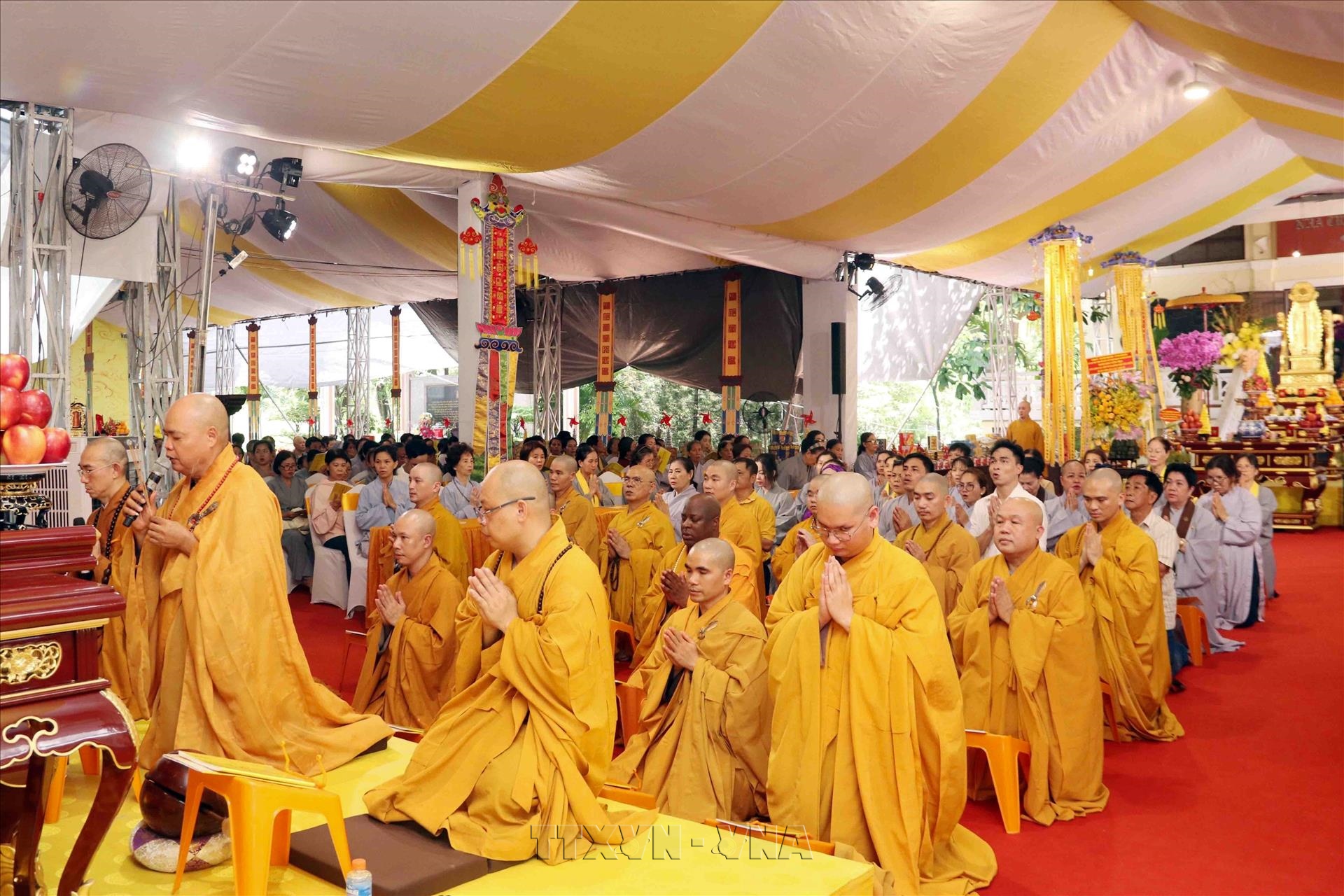
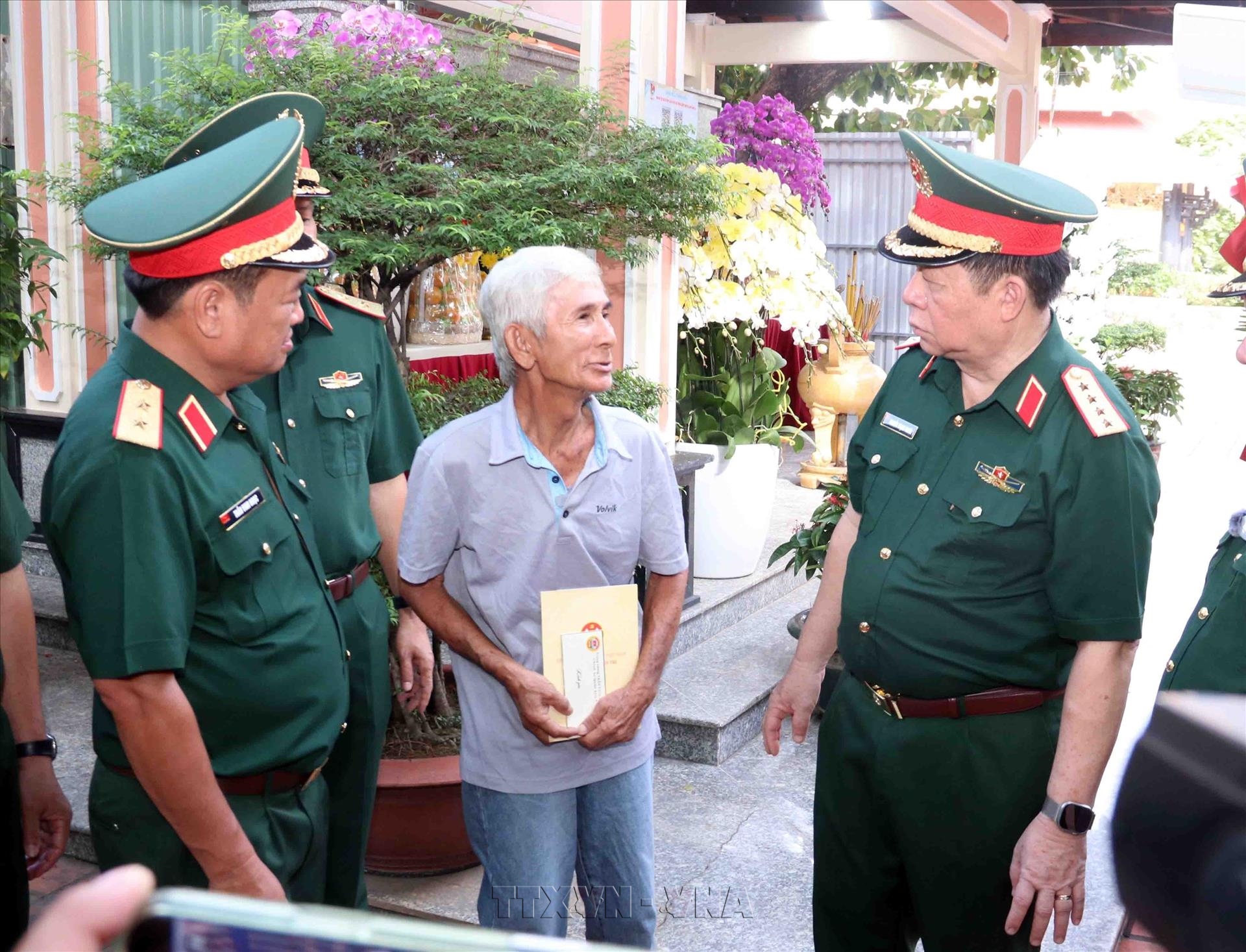

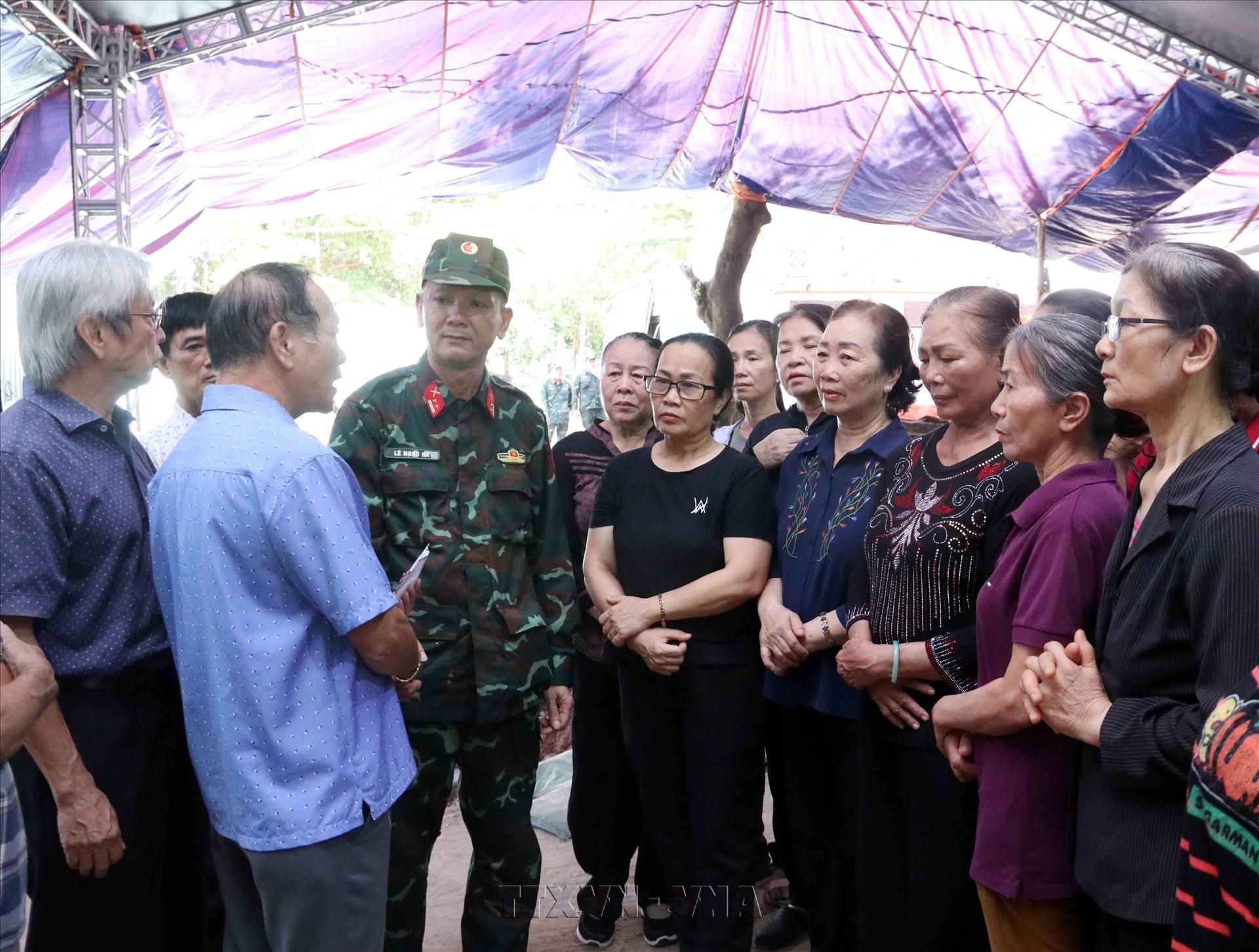
"Before the sacred souls of our heroic soldiers, we pledge to do our utmost to fulfill this noble mission with responsibility, wisdom and deep affection," General Secretary and President To Lam said.
To carry out the campaign, 32 specialized search teams comprising over 1,500 soldiers were established, including 13 operating at home and 19 deployed in neighboring Laos and Cambodia. Navigating treacherous terrain, these teams have braved dense forests and streams, cleared over 8,400 ha out of nearly 23,000 targeted ha of land contaminated with unexploded ordnance. Digging through hillsides and tree roots, they have painstakingly searched for any traces of the soldiers.
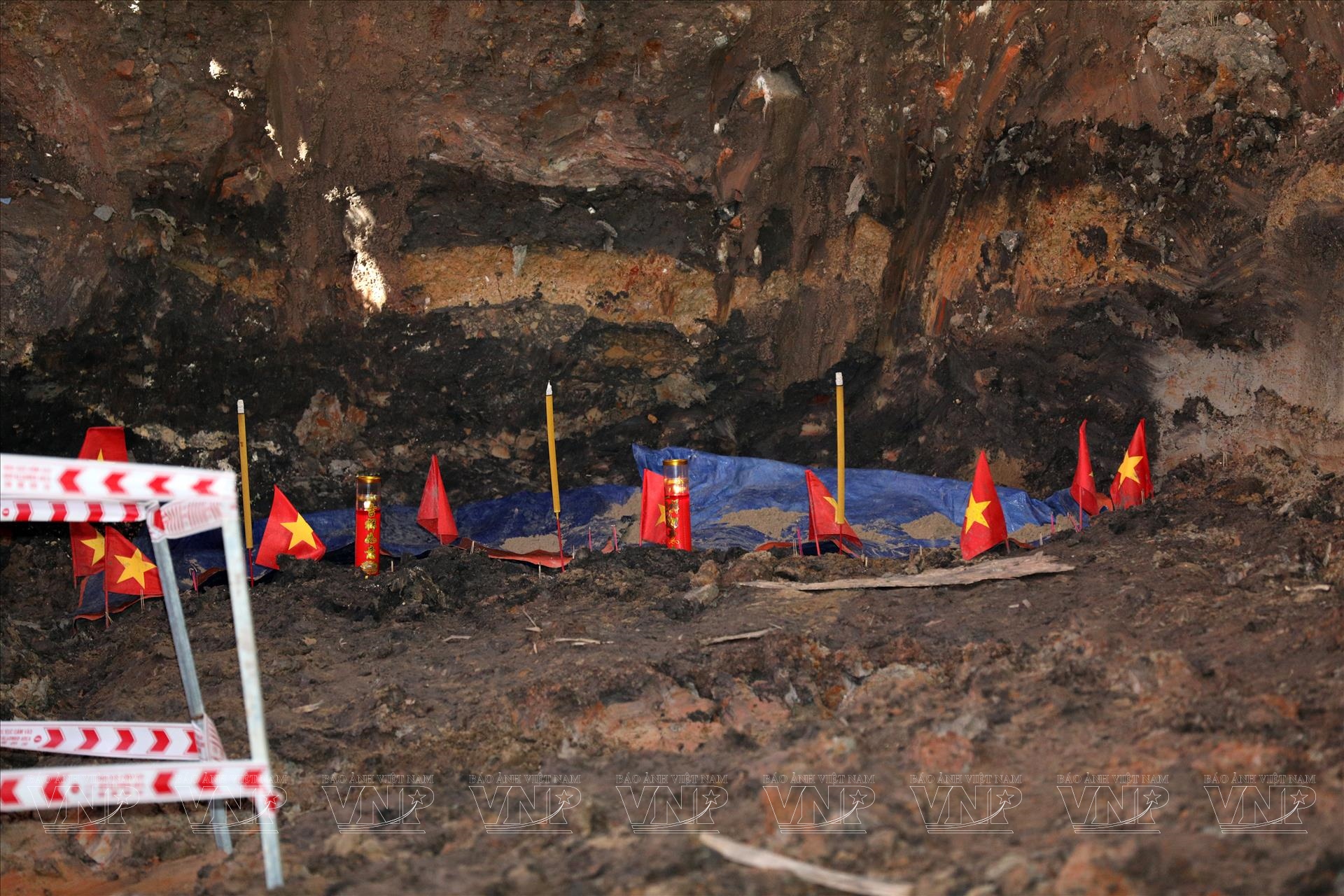
After more than four months of deployment, as of July 25, 1,488 remains had been recovered-including 466 within Vietnam, 174 in Laos, and 850 in Cambodia. Furthermore, 7 collective graves have been uncovered, including 5 in Tuyen Quang Province containing 23 remains, and a major site at Le Thi Rieng Park in Ho Chi Minh City containing 103 individual remains and 2 collective mass graves.


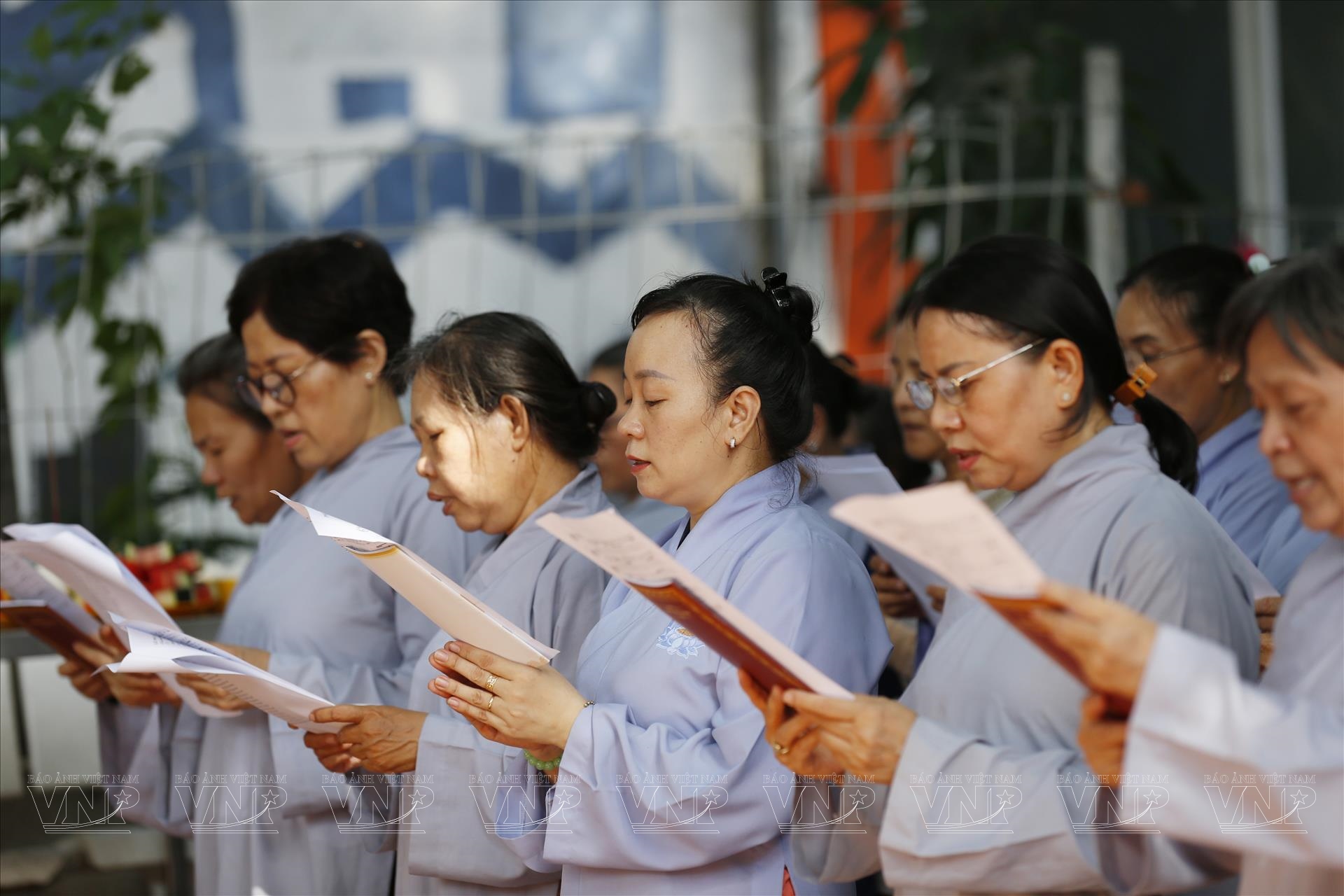
These large-scale collective graves have been recovered thanks to domestic and international historical archives, advanced technology, eyewitness accounts and thorough field surveys.
Most notably, at Le Thi Rieng Park, a site long believed to hold a mass grave tied to the sacrifices during the Spring 1968 Tet Offensive, 100 individual remains, 2 collective mass graves and 32 artifacts have been found. Regarding identification, scientists from the Vietnam Academy of Science and Technology note that DNA profiling of Vietnamese soldiers' remains is one of the most challenging forensic tasks in the world. After 50 to 70 years in humid tropical soil, most remains are severely degraded, with heavily fragmented DNA that severely limits traditional analysis methods. Consequently, Vietnam is deploying next-generation sequencing (NGS) and advanced forensic technology to enable faster, more precise and a better chance at identification.



So far, specialized units have sampled over 66,000 unidentified graves and cataloged over 15,000 bone samples from various localities for DNA testing. Concurrently, over 93,000 DNA samples from relatives of fallen soldiers have been collected, with more than 53,000 successfully analyzed and integrated into the national database for cross-matching, creating a crucial foundation to identify tens of thousands of unknown soldiers.
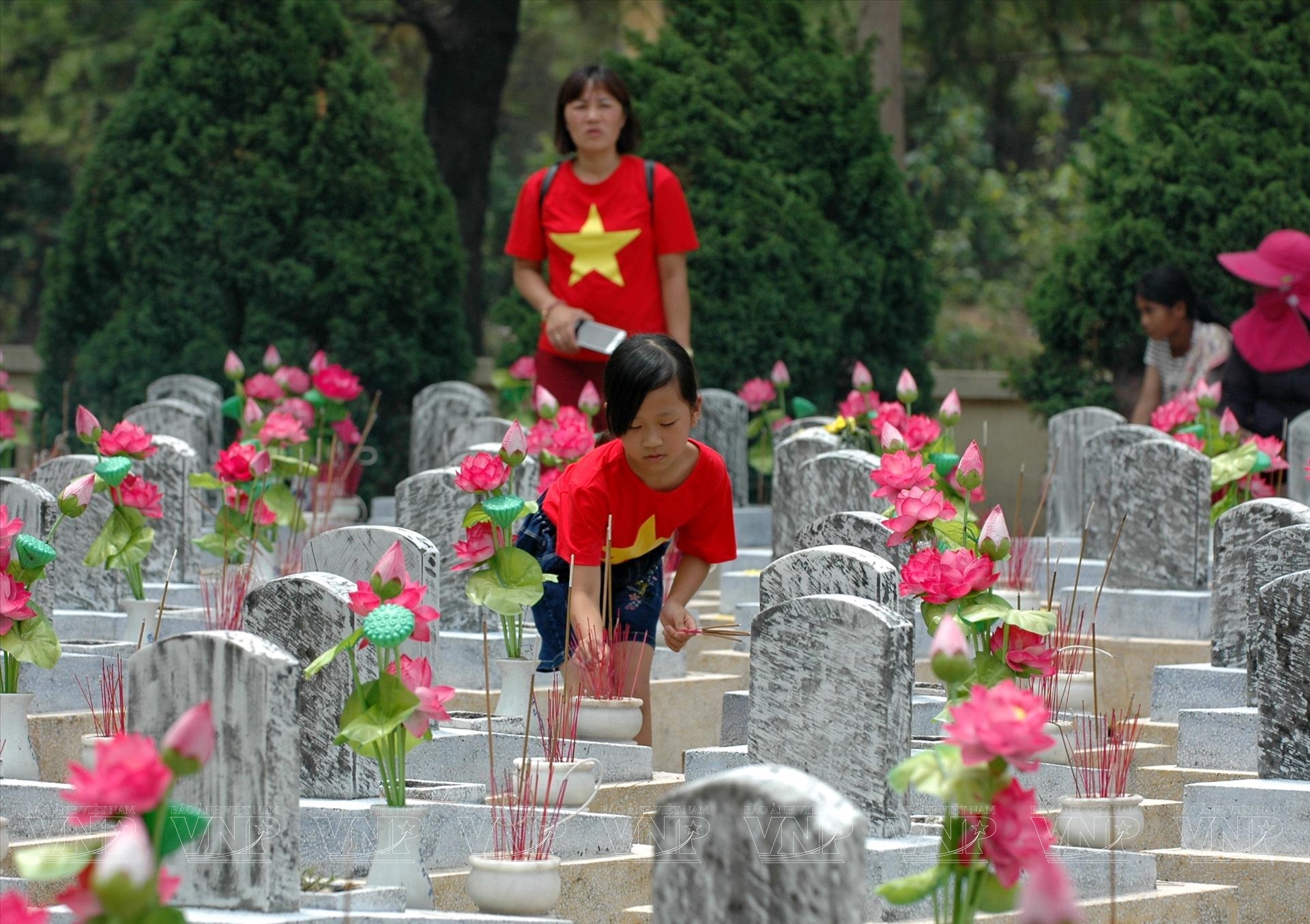
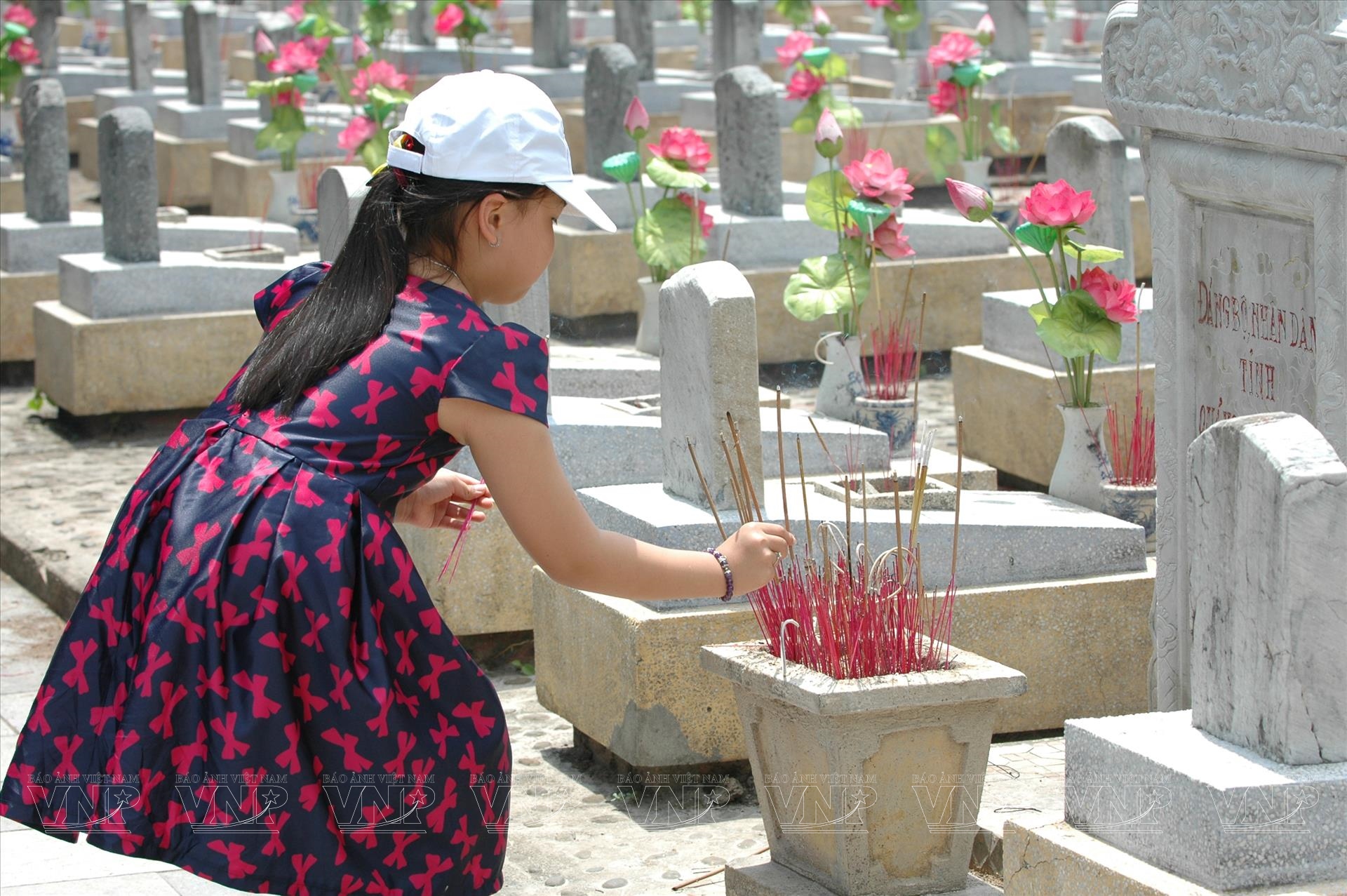
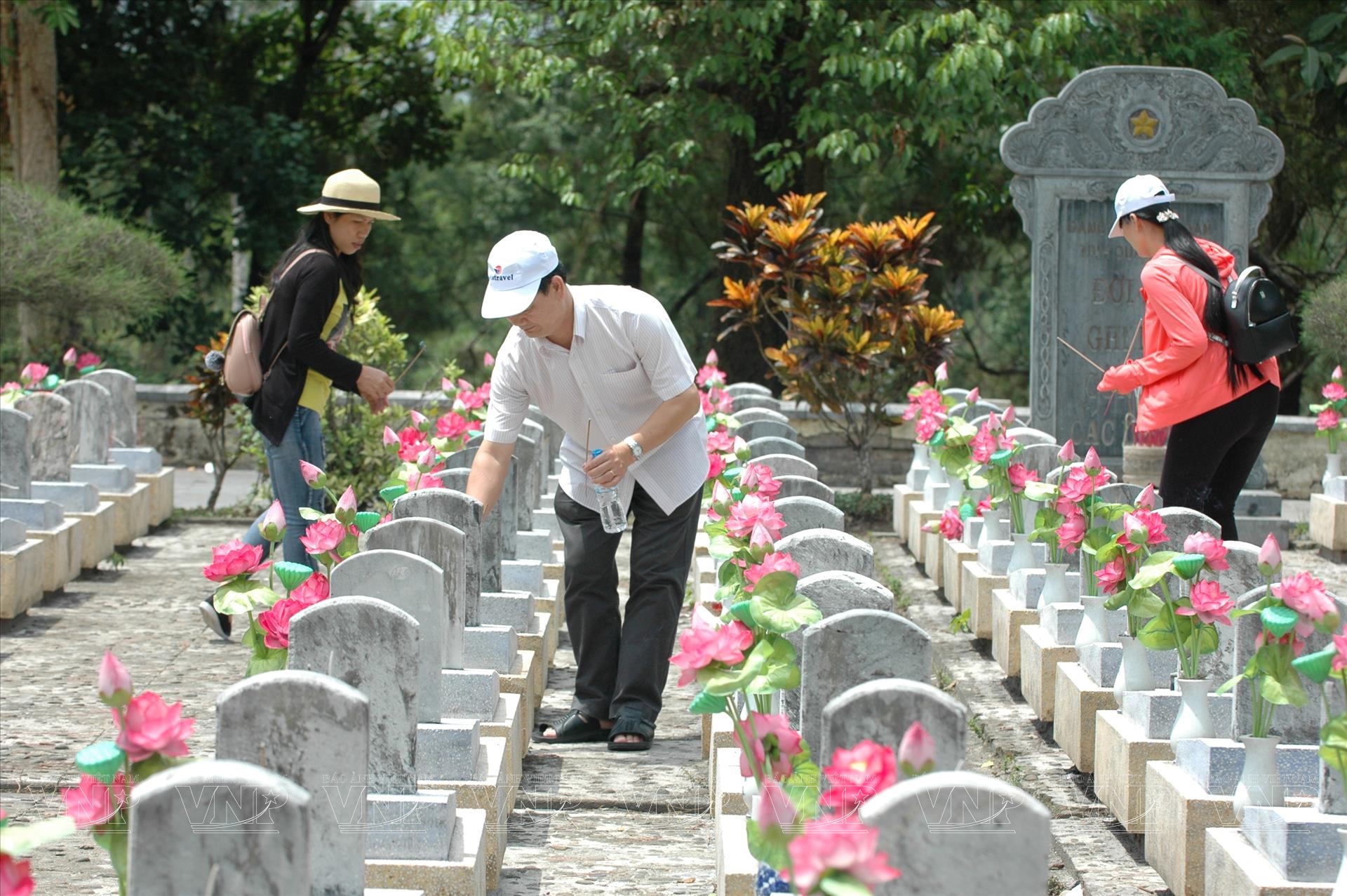
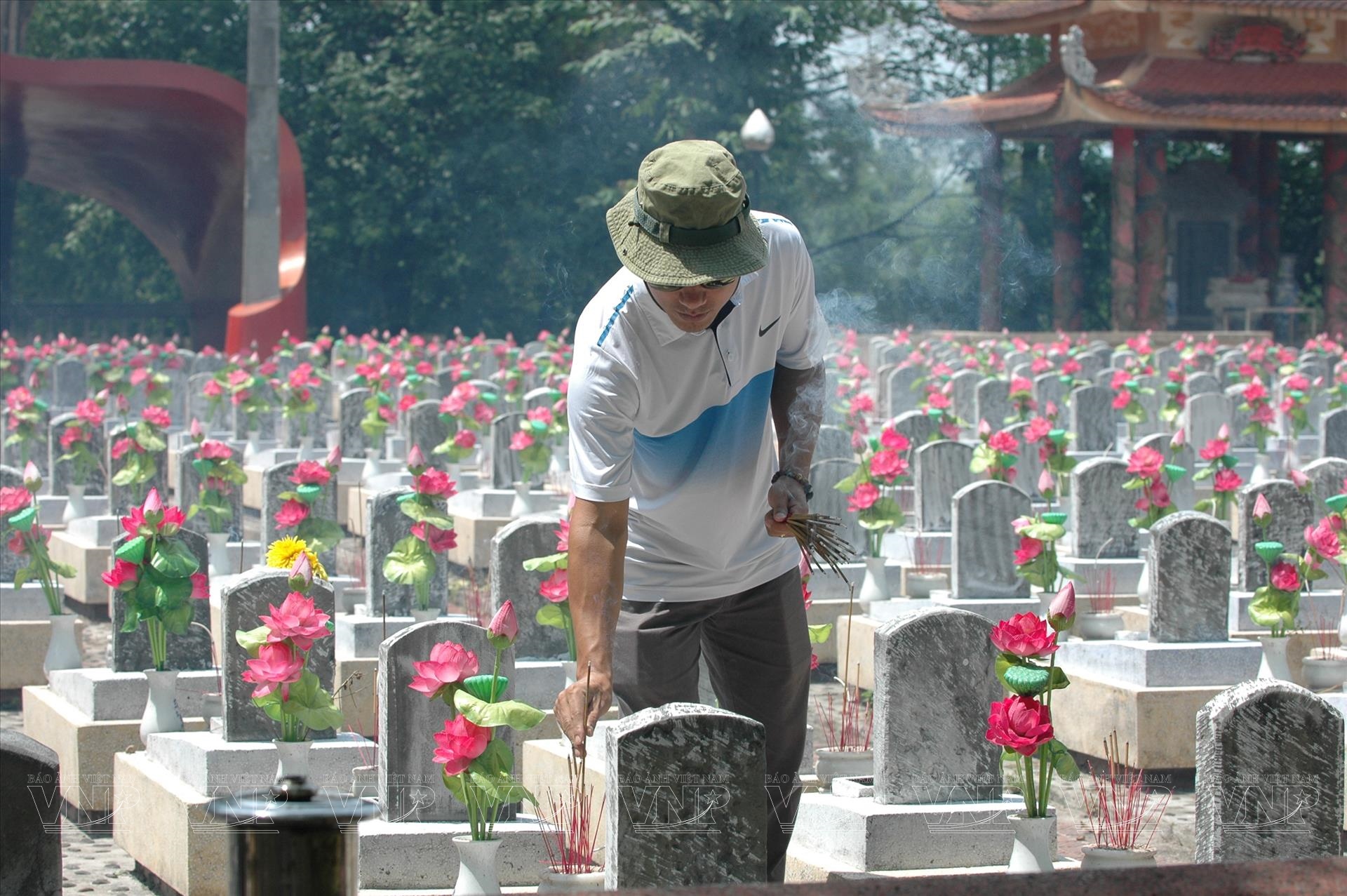
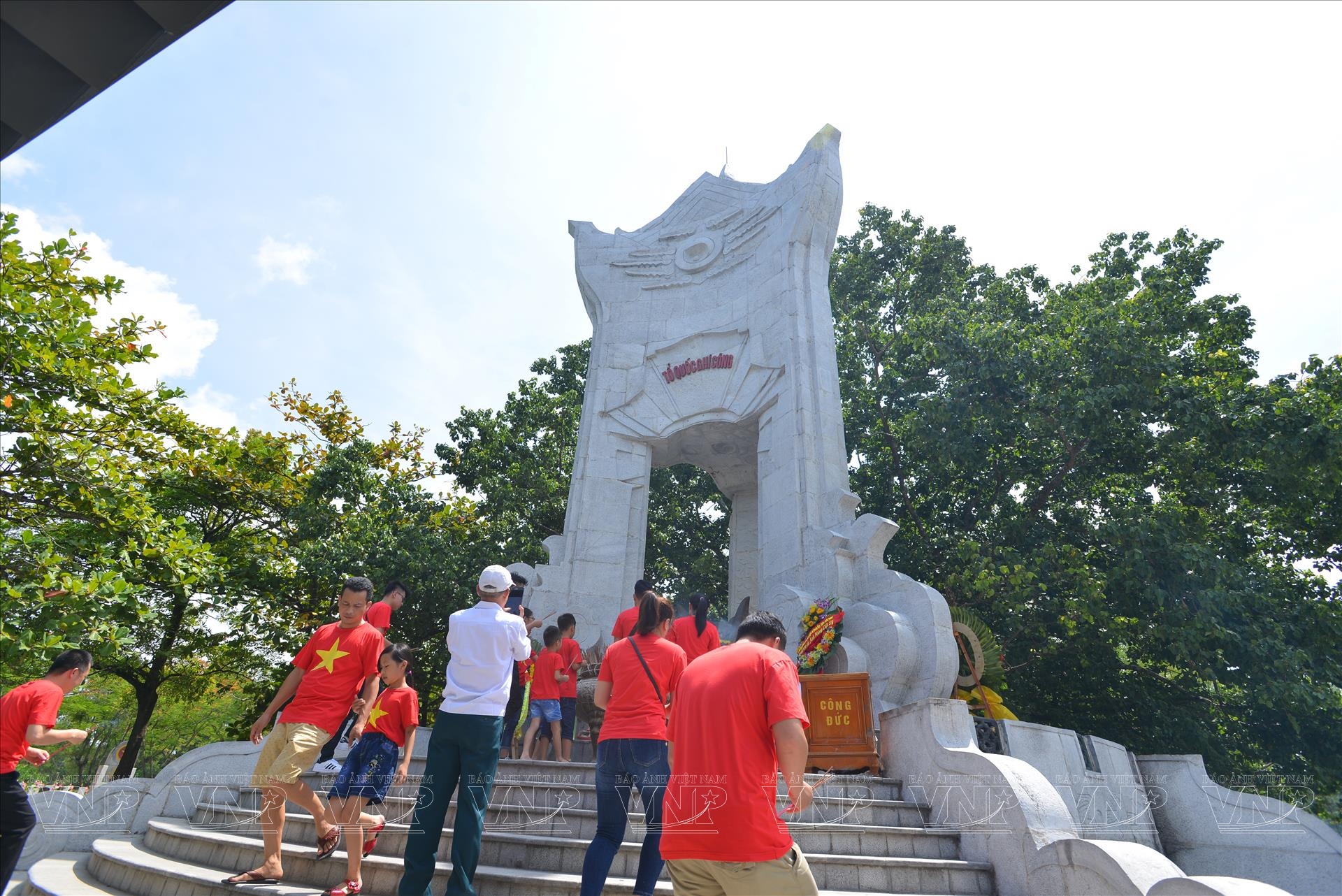
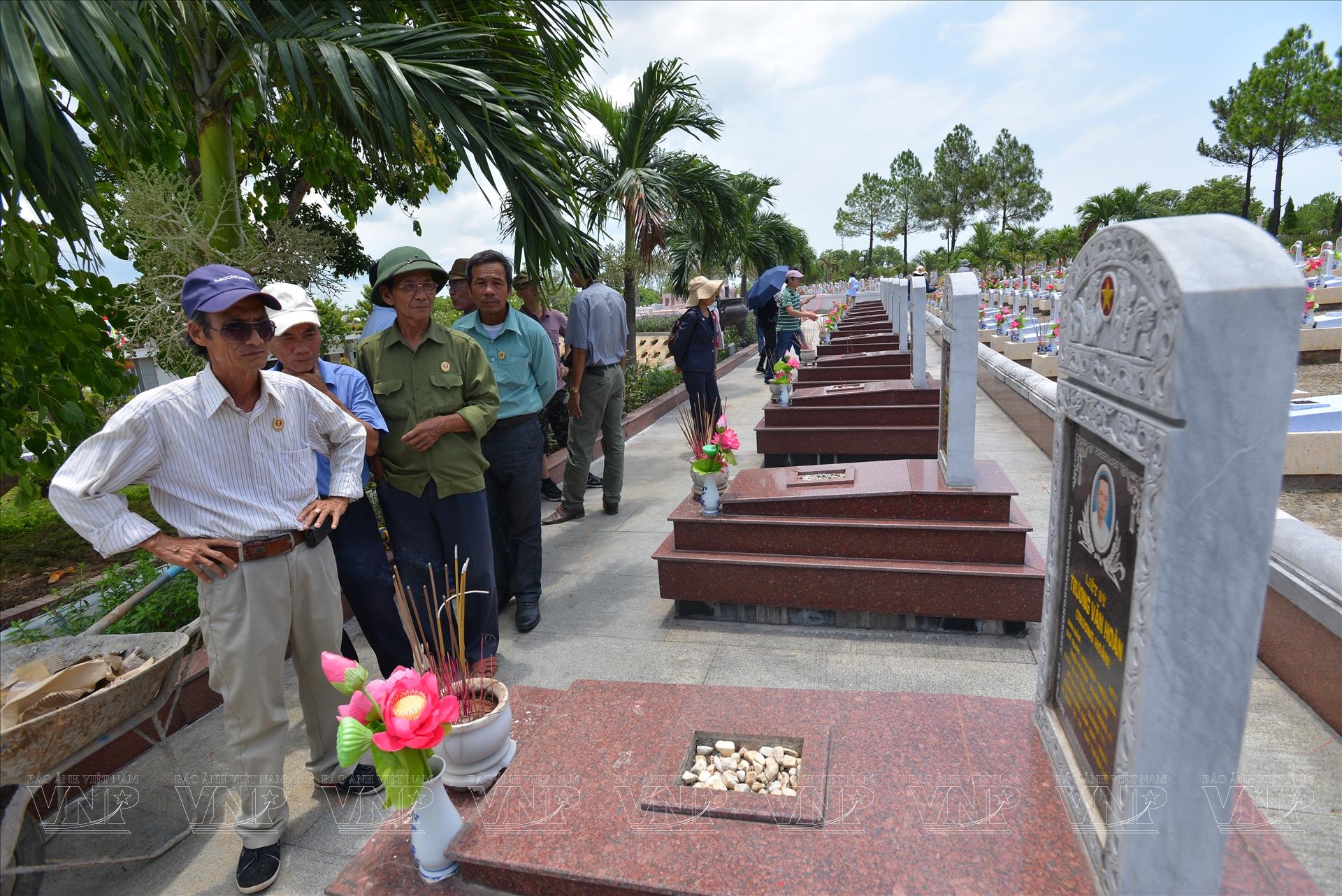
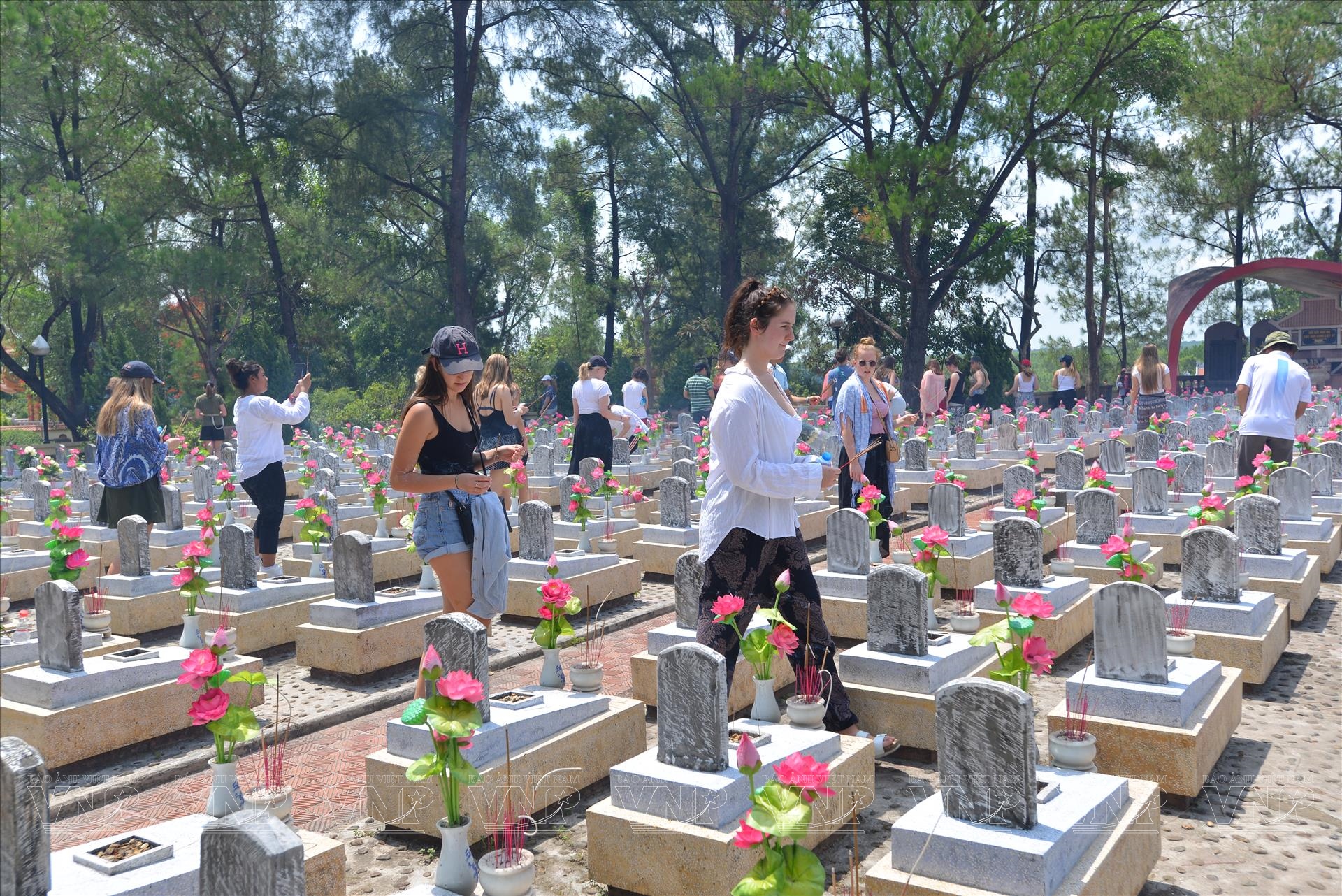
The 500-Day Campaign symbolizes the determination and responsibility on the nation’s journey to honor and remember those who sacrificed for theỉ country. This journey continues without pause, as every soldier brought home and every name restored on a headstone ends a family’s long wait to find their loved one and helps heal the lingering wounds of war./.
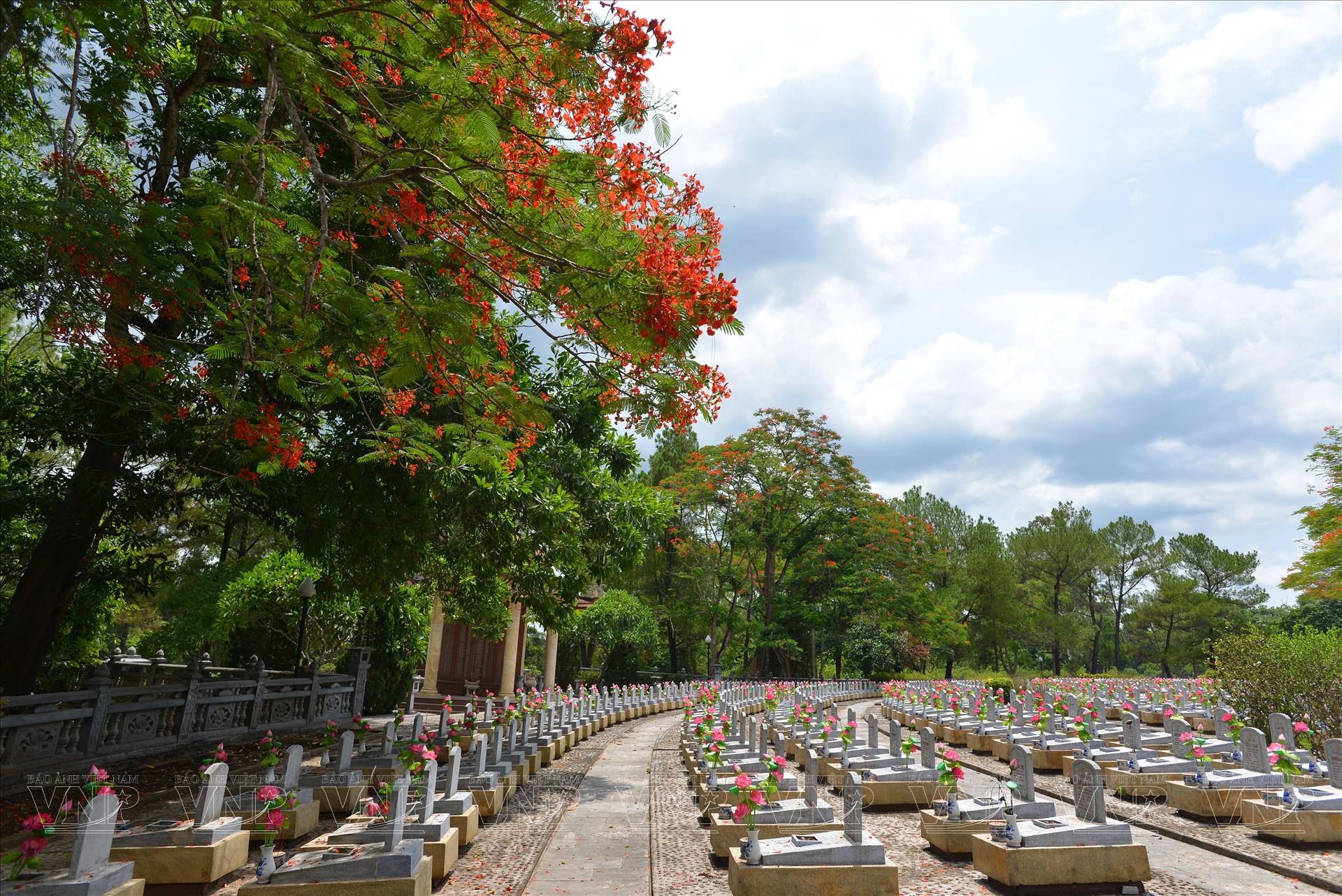
The "500-Day Campaign", running from March 15, 2026, to July 27, 2027, aims to recover around 7,000 remains, collect biological samples from approximately 230,000 unidentified graves, conduct DNA analysis on about 18,000 remains, establish a national genetic database for soldiers' relatives, and complete mine and unexploded ordnance clearance in key search areas. A preliminary review is scheduled for November 2026, leading to a final summary prior to July 27, 2027, marking the 80th anniversary of Vietnam's War Invalids and Martyrs' Day (July 27, 1947 - 2027).
- Story: Thanh Hoa
- Photos: VNP & VNA