For a long time, Vietnam has paid attention to and put first the preservation of biological and ecological diversity via research on many varieties of plants and animals. Co Nhue Bio-Experimental Station (under the Institute of Ecology and Biological Resources) is a place to preserve and develop species of amphibians and reptiles to do research and aid in the conservation of bio-diversity. It attracts the attention of many experts, students and pupils who love to learn about Vietnam’s ecological diversity.
According to Doctor Le Xuan Canh, Director of the Institute of Ecology and Biological Resources, each species of animal has specific characteristics depending on their living environment. They grow and multiply and become “inhabitants” of that place. Whenever there are signs of environmental changes they are the first animals to be affected and will have typical and distinctive reactions. Amphibians and reptiles are the most typical cases. Researchers can look for the cause of environmental changes, thus setting forth plans on conservation and necessary warnings.
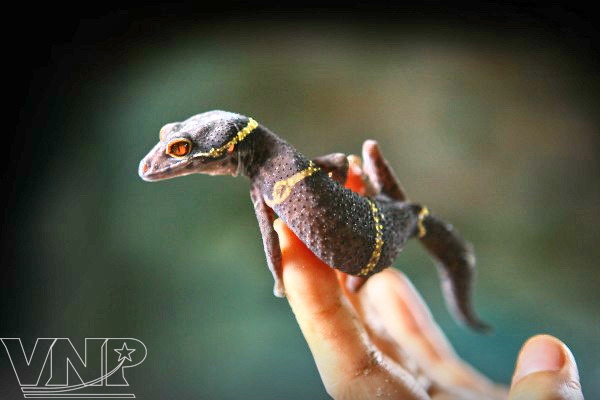
Ensis lizard.
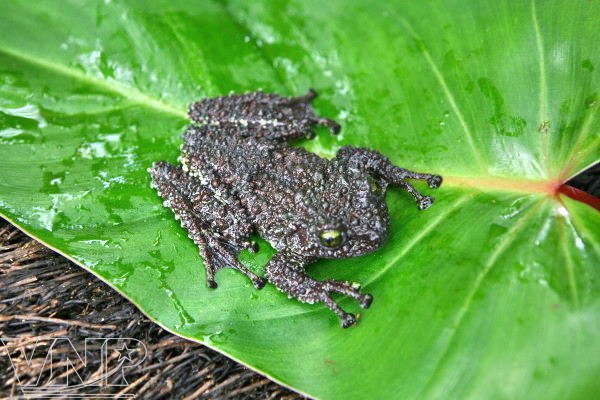
Tam Dao green-coloured frog.
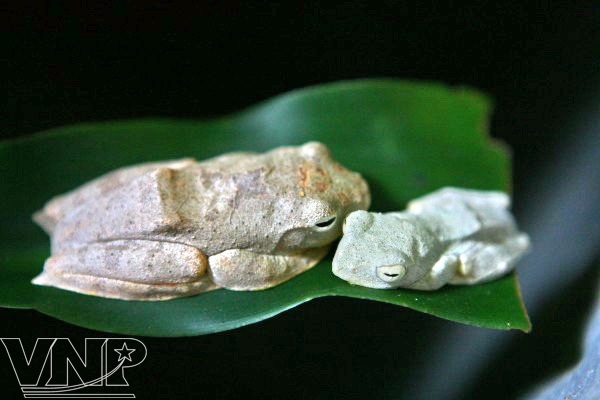
Tam Dao red-coloured frogs.
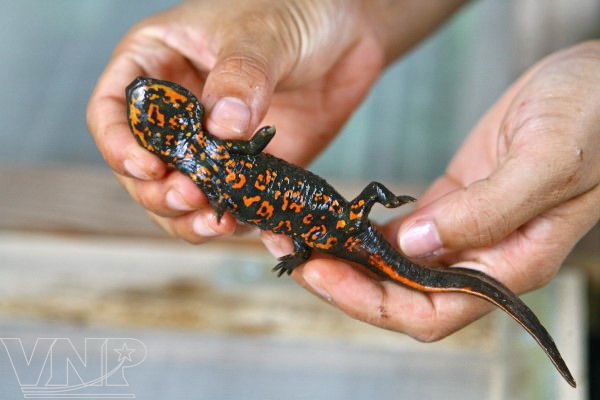
Tam Dao Paramesotriton deloustali.
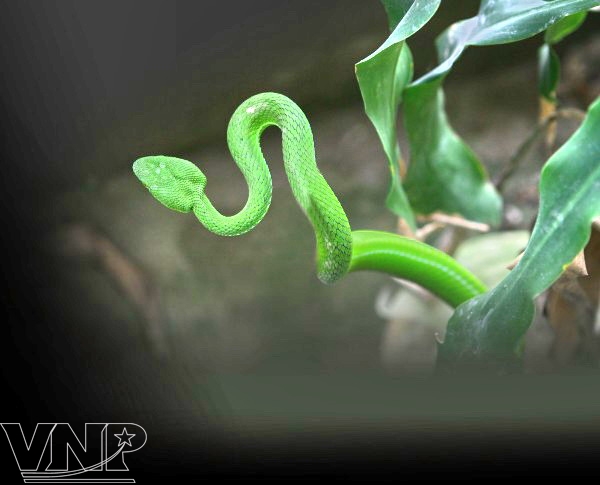
Dendrophis found in Tam Dao.
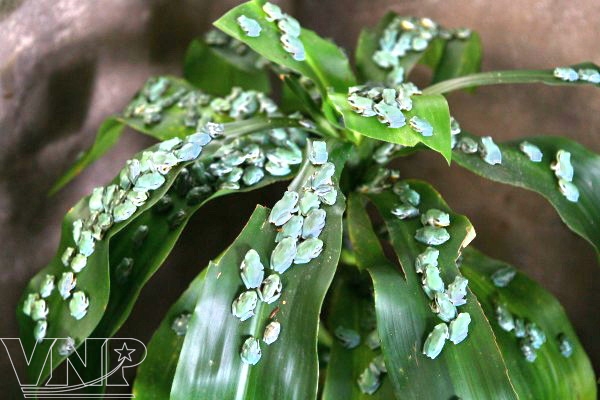
Tree frogs live in the central provinces of Vietnam.
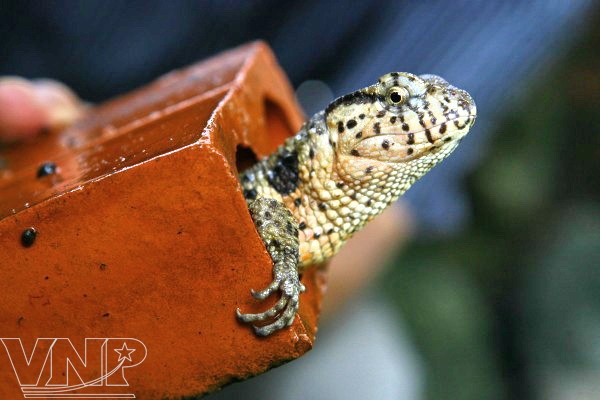
Shinisaurus crocodilurus.
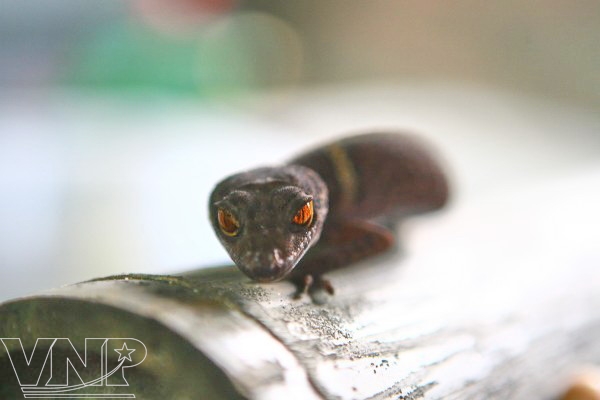
Face of Ensis lizard.
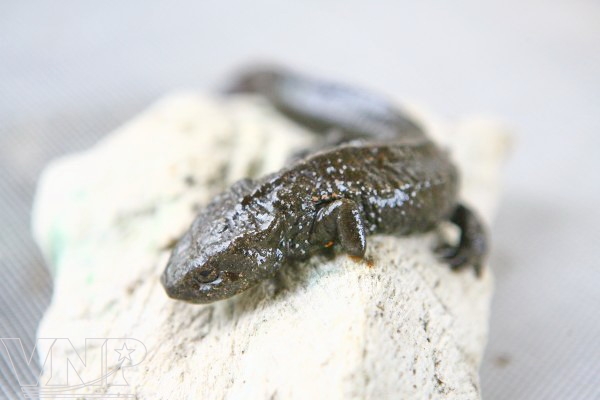
Paramesotriton deloustali.
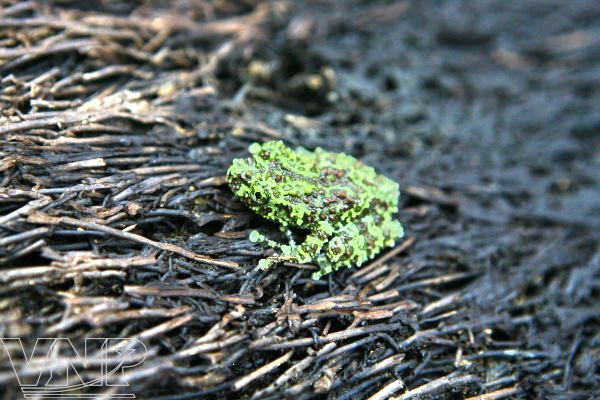
Green-coloured frog.
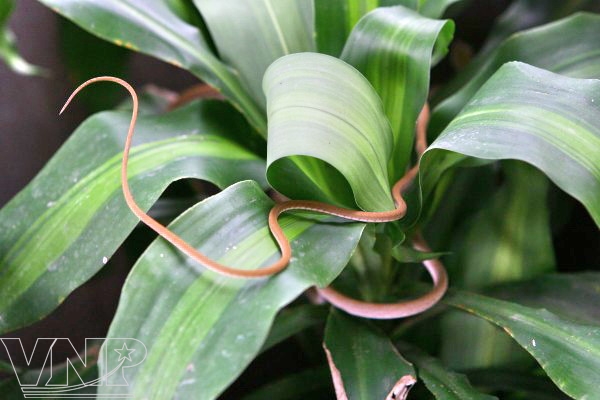
Whip-shaped snake.
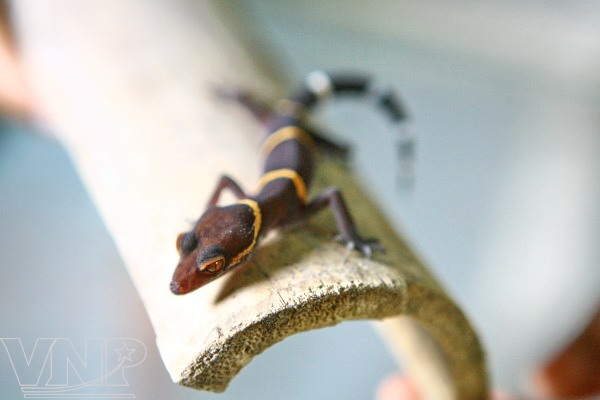
Ensis lizard. |
To do research on these animals, Co Nhue Bio-Experimental Station has raised about 20 species of amphibians. Each species has its own characteristics in colours and shapes. For instance, the green-coloured frog living in Tam Dao is one of the 10 most beautiful species of frogs in the world. The red-coloured frog has a milk white colour which turns red when it is exposed to light. A lizard species in Yen Tu is viviparous, not oviparous like other lizard species.
Chu Thi Thao who is preparing a master’s thesis in zoology at the station said that the standards on natural living conditions for the amphibians and reptiles raised at the station, such as the humidity and food, are always ensured. Her work at the station includes researching, observing and recording all information relating to the animals, from their regimen and reproductive cycle to their changes due to the changes in the weather and the surrounding environment.
Every year, survey data from this station is sent to Tam Dao (in Vinh Phuc Province), Yen Tu (Quang Ninh), Ba Be National Park and other places for research on bio-diversity preservation. Co Nhue Bio-Experimental Station has attracted many experts, students and pupils at home and abroad to study and research Vietnam’s bio-diversity which is in need of being protected and preserved.
Story: Huu Tuan - Photos: An Thanh Dat